
Category

Blog

Is a Private Tour in Iceland Worth It? What Really Makes the Difference

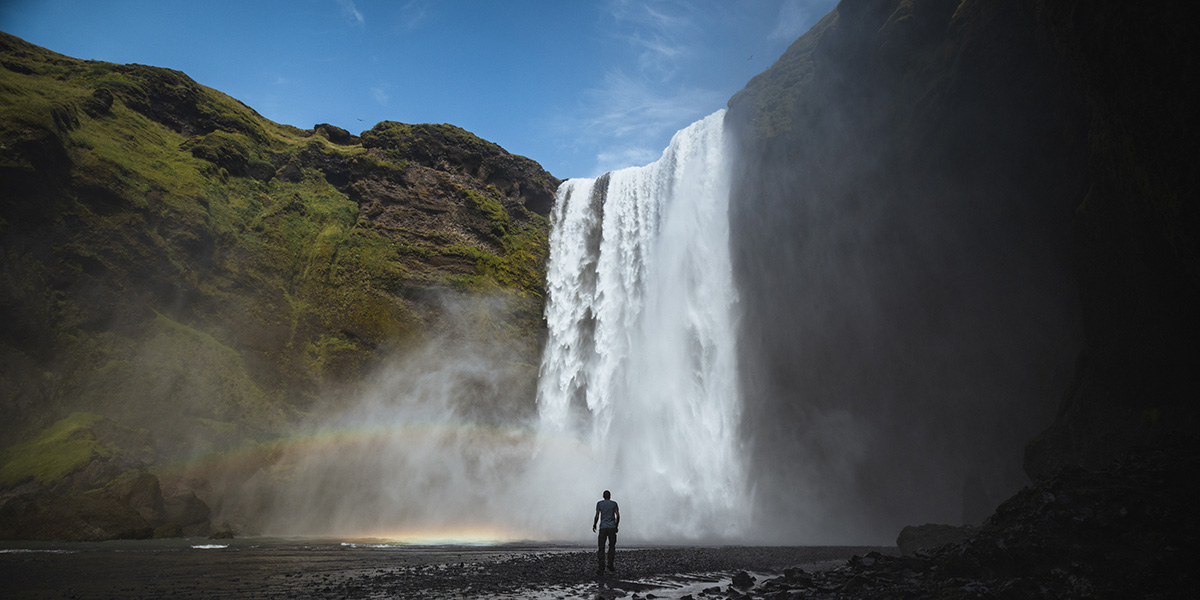
Skógafoss waterfall in Iceland with water cascading over a high cliff
Skógafoss and Iceland’s other waterfalls reward visitors who have time to watch the light change. Read our guide to Icelandic waterfalls and discover the most famous ones you can’t miss.

The Beauty of Iceland Is That You Never Quite Know What Comes Next

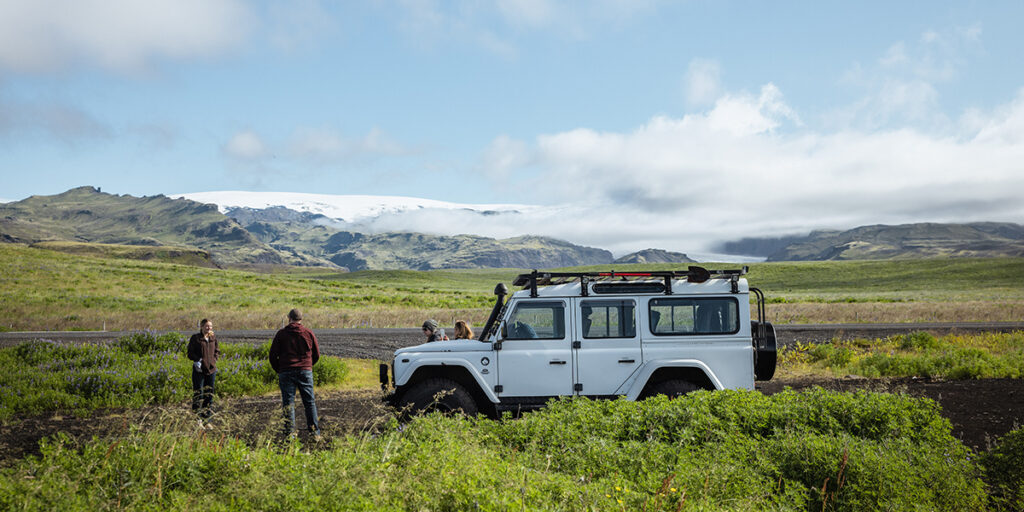
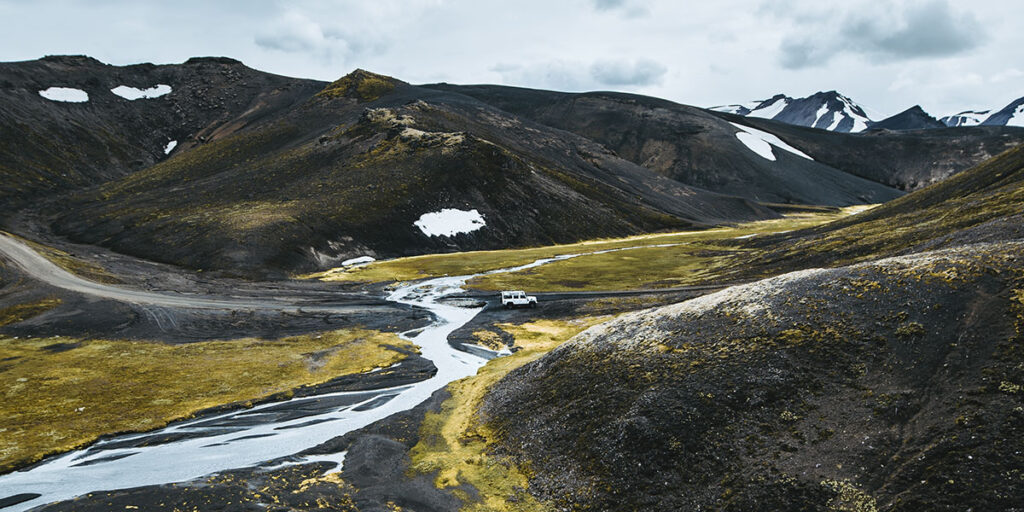
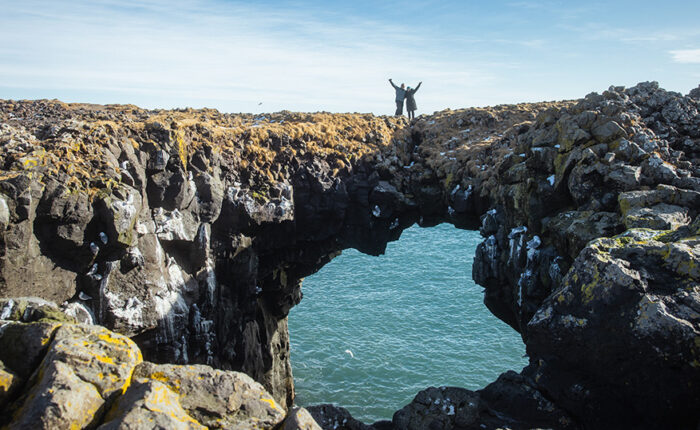
Scenic landscape photographed during a private guided tour in Iceland
A private journey allows you to explore at a pace that suits the people travelling together.

Your Holiday, Your People, Your Pace

There is also a practical advantage when several people travel together. Many private tours are priced per vehicle rather than per person, which means that the cost can be shared among family members or friends. A private experience will generally still cost more than a group tour, but when the price is divided between four people, it can look rather different from the headline figure.

It’s always worth comparing the total cost for your travelling party, including the services provided, rather than looking only at the advertised price of an individual ticket.
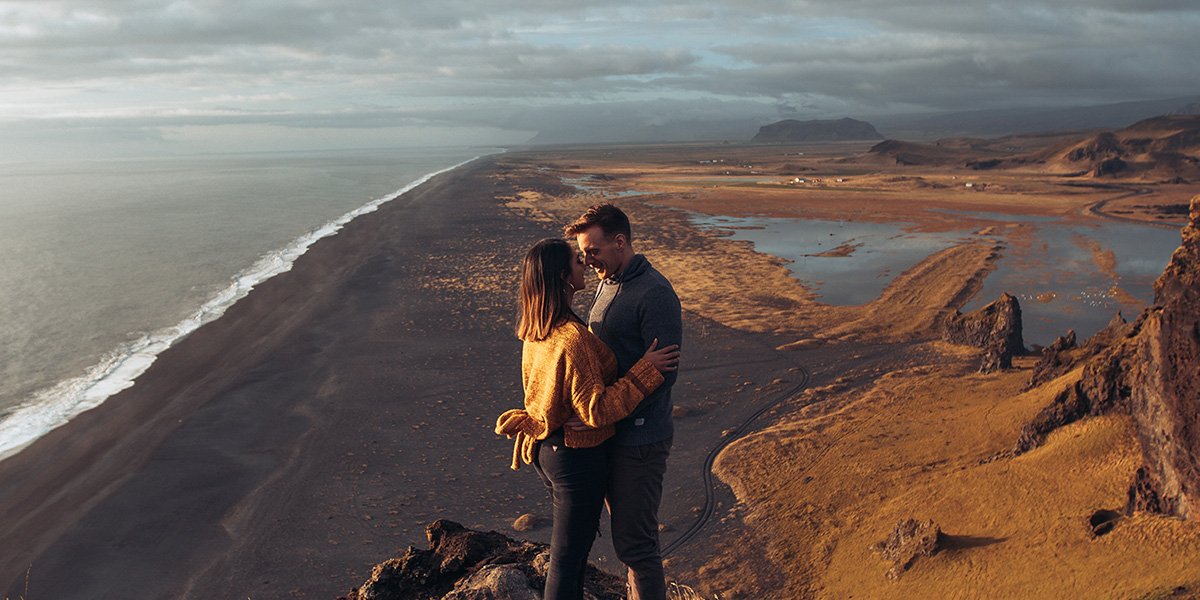
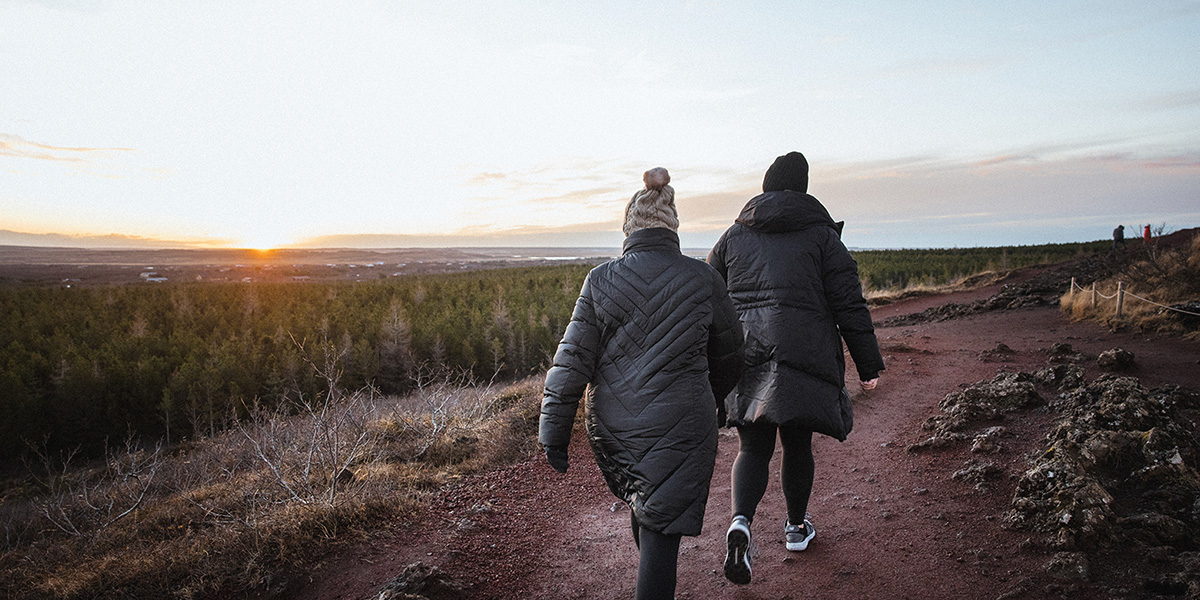
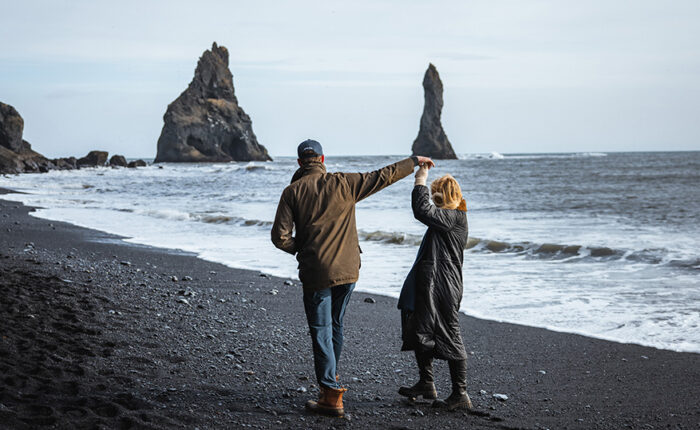
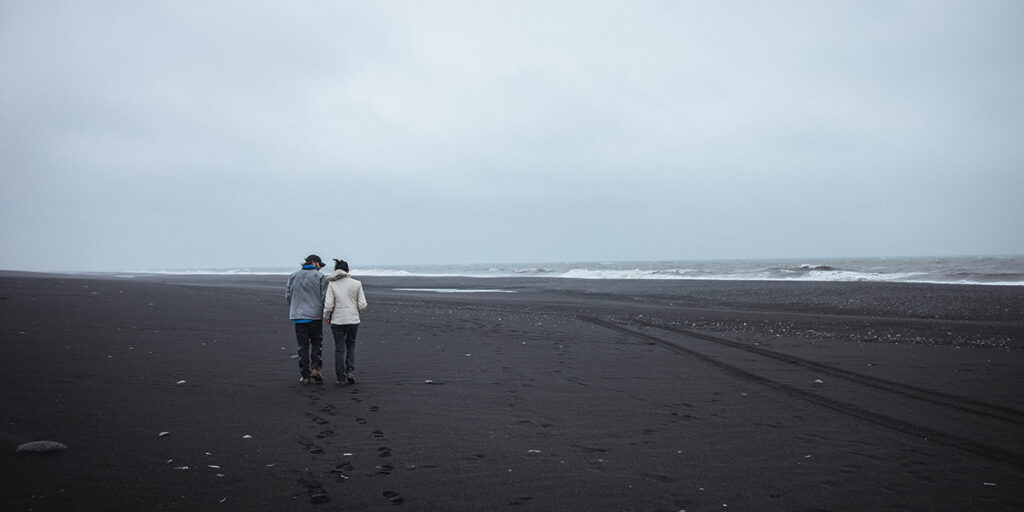
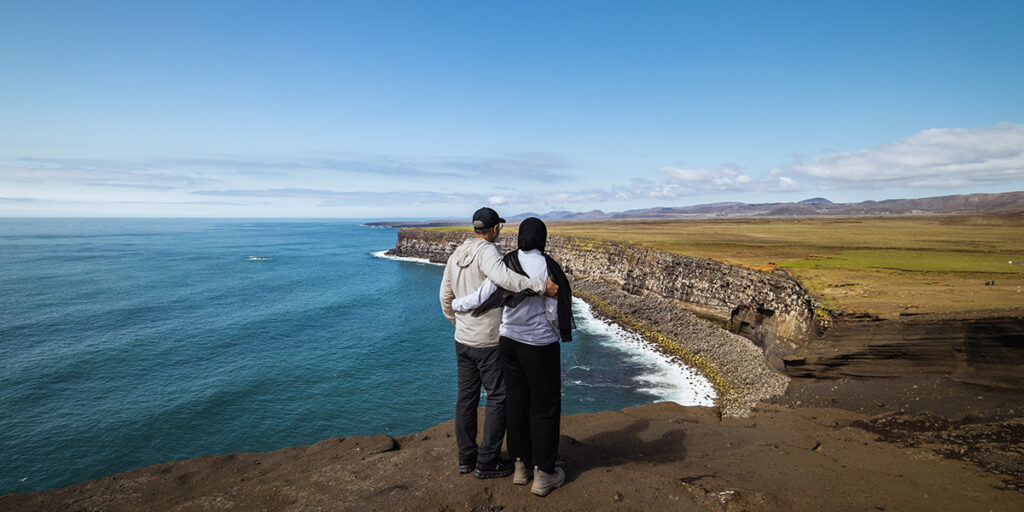
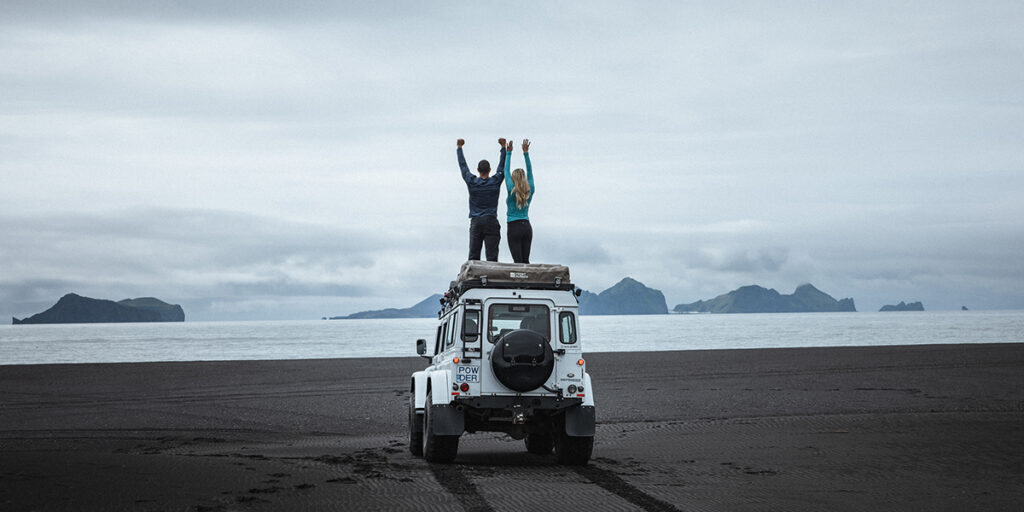
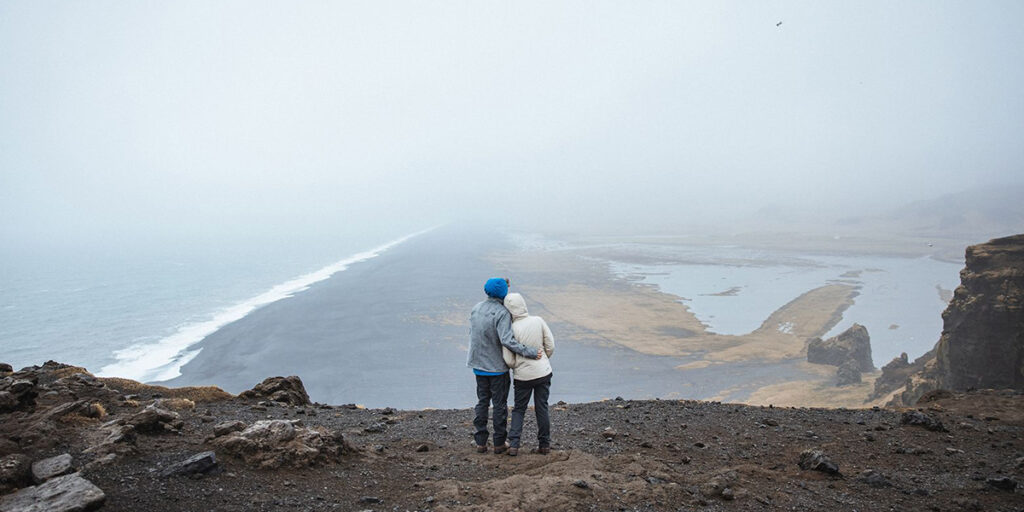
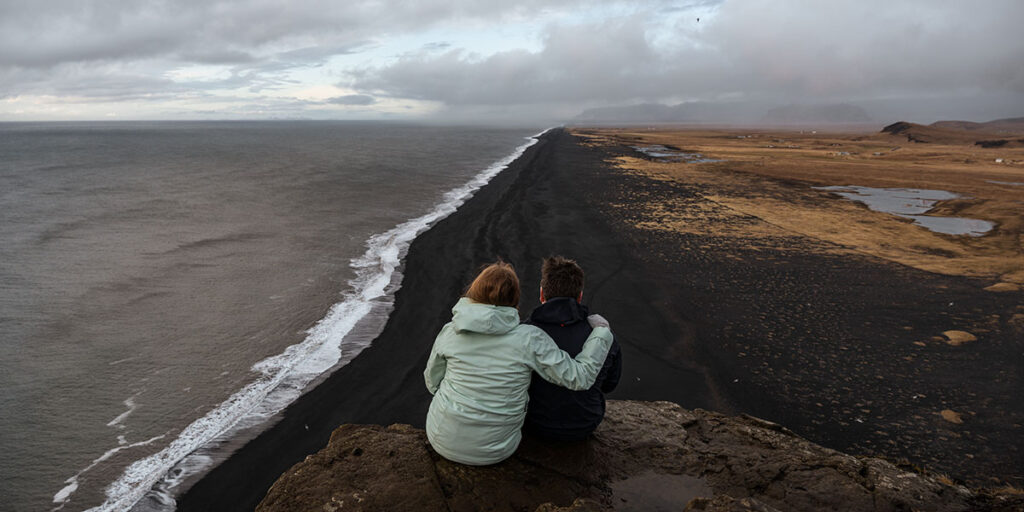
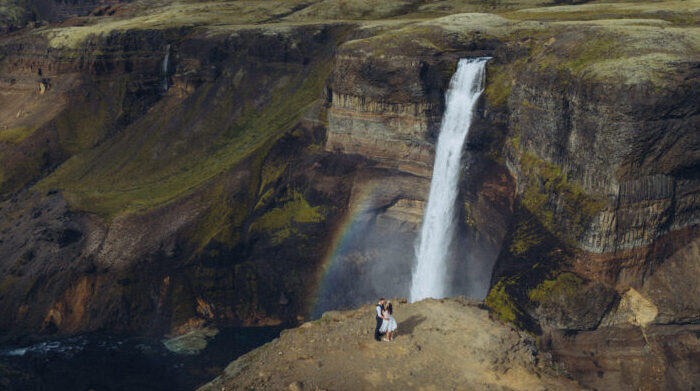
Couple standing together above Iceland’s black sand coastline during a private photoshoot
Some of our favourite photographs happen naturally, when our guests are simply enjoying Iceland together.

And Then, There’s the Icelandic Weather…

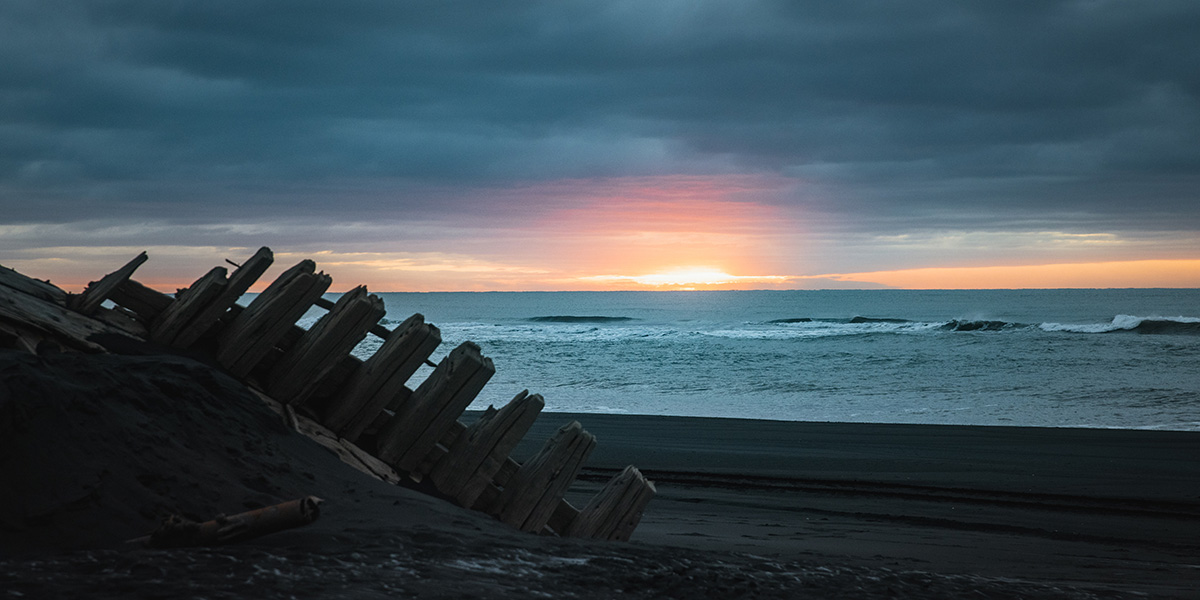
Sunset over the dramatic landscape of Iceland’s South Coast
Iceland’s weather can transform familiar landscapes in a matter of hours. Good planning means knowing when to adapt.

Private or Tailor-Made? There’s an Important Difference

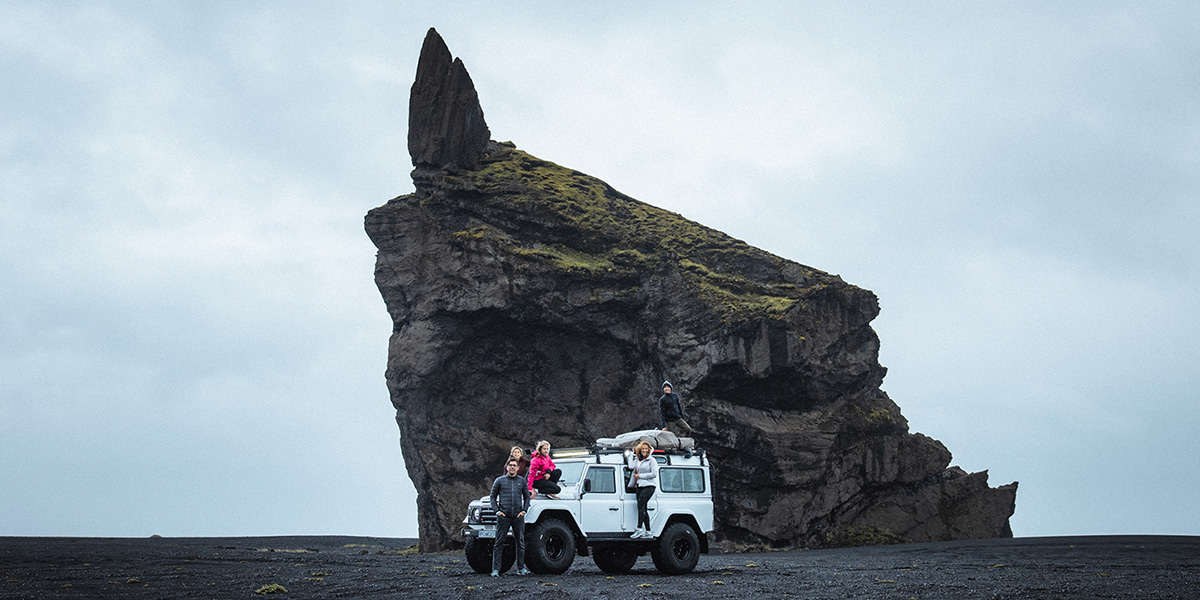
Landscape along Iceland’s South Coast on a private guided tour
A dedicated vehicle and guide give us the freedom to shape the journey around your interests, from familiar highlights to remote landscapes.

One more thing to keep in mind: a private guided journey doesn’t necessarily mean every specialist activity will be exclusive to your party. Glacier hikes, snowmobile adventures and certain ice cave experiences may be operated by local partners with other participants. If having a completely private experience is important to you, it’s worth checking these details before booking.

The Photos You’ll Be Glad Someone Else Took

One of the details that makes Icelandic Roamers a little different is that photography has always been part of the way we guide.

And because we’re also your guides, photography becomes a natural part of the journey. There’s no need to arrange a separate photoshoot or spend your holiday worrying about whether you’ve taken enough pictures. You can explore, ask questions, enjoy the scenery and let us capture some of those moments along the way.
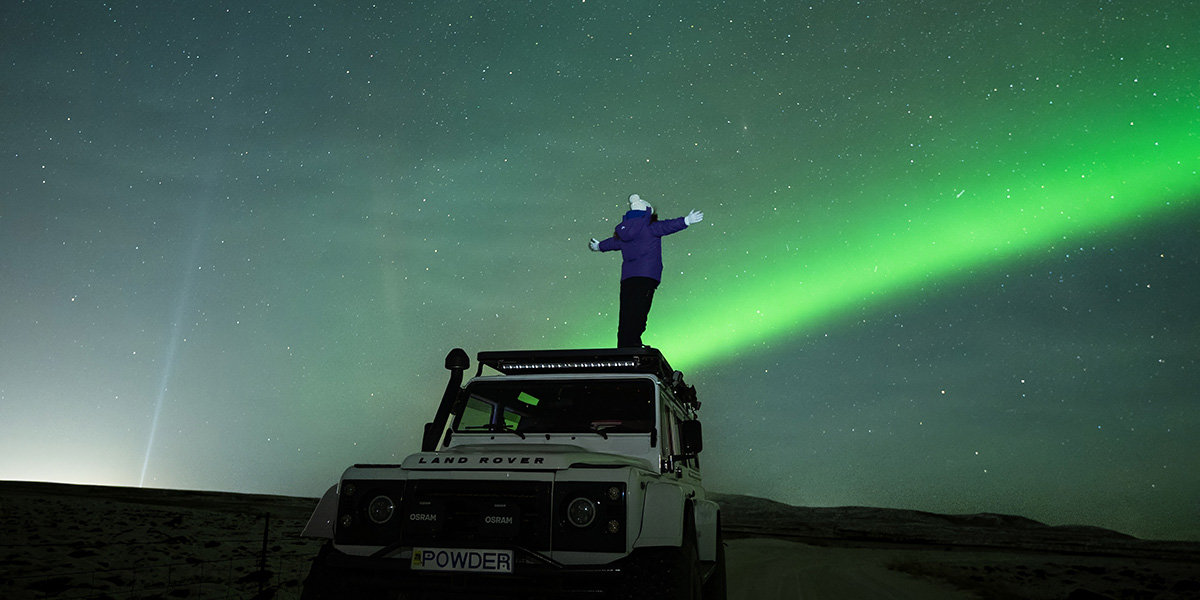
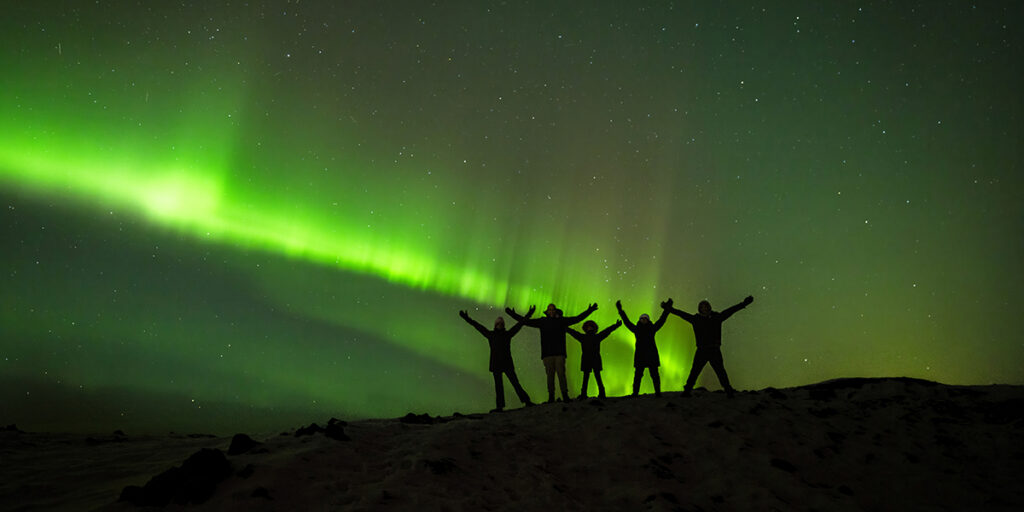
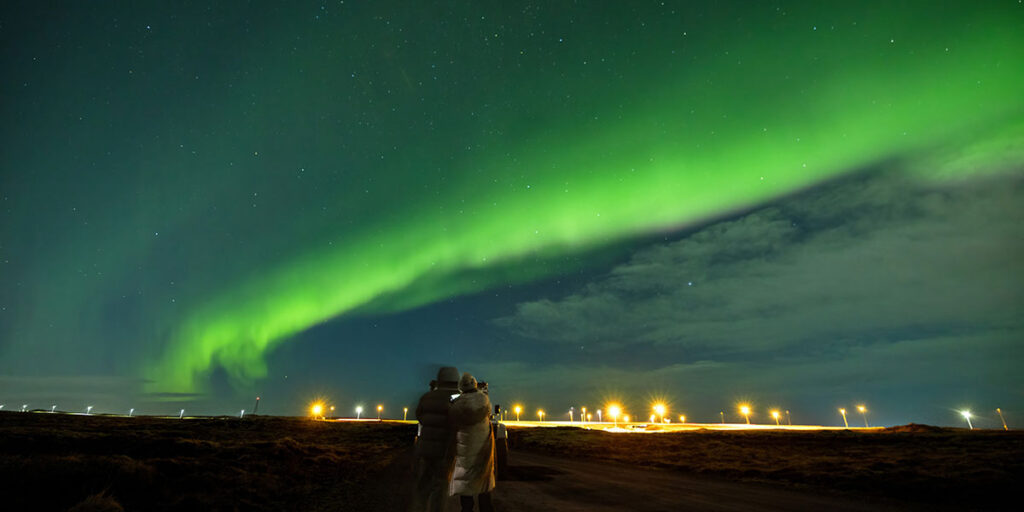
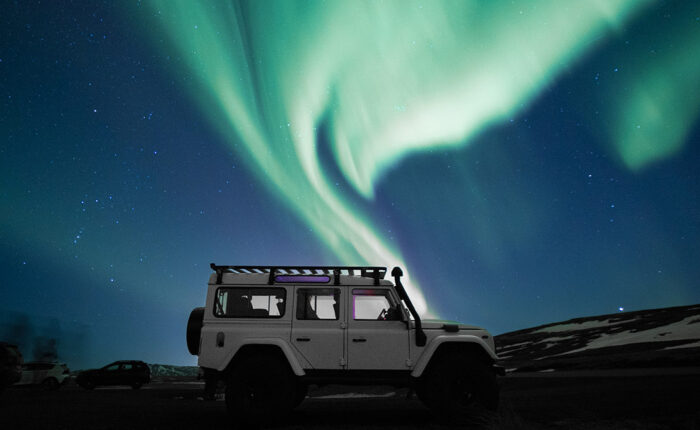
Northern Lights over Iceland photographed during an Icelandic Roamers tour
Iceland gives us extraordinary scenery. Our photographer-guides make sure you’re part of the memories, too.

After the tour, you’ll receive a selection of professionally edited photographs from your Iceland adventure. We think it’s a rather wonderful souvenir, especially when you consider how quickly a holiday seems to pass once you’re back home.

Private vs Group Tours in Iceland: Which One Makes Sense for You?

What matters to you?Group tourPrivate tour
BudgetGenerally more affordableHigher total cost, often shared by your party
ItineraryUsually follows a fixed routeCan be tailored to your interests
Departure timeScheduled in advanceOften adjustable
Time at attractionsDetermined by the group scheduleMore freedom to adjust the pace
Guide’s attentionShared with other travellersDedicated to your party
Families and different abilitiesMust fit the group itineraryMore opportunities to adapt
Professional photographyDepends on the operatorIncluded with Icelandic Roamers

The right choice depends on what you want from your holiday. There’s no reason to pay extra for flexibility if you know you’ll be perfectly happy following a fixed sightseeing schedule. But if you’re hoping for something more personal, it’s worth understanding what a dedicated guide can add to the journey.

A Few Things We’d Ask Before Planning Your Iceland Adventure

When someone contacts us about a private tour, we usually begin with a conversation rather than a list of attractions. Of course, we want to know how long they’re staying and which places they’d love to visit. But we’re equally interested in the kind of experience they’re hoping to have.

Would you rather spend a full day exploring waterfalls and black-sand beaches, or combine sightseeing with a glacier adventure? Are you comfortable with longer drives, or would you prefer a more relaxed itinerary? Is photography especially important? Are there children travelling with you, or anyone who would benefit from shorter walks?

These questions might seem simple, but the answers often change how we would recommend arranging a trip.

We also believe it’s important to be realistic. Iceland is bigger than it sometimes looks on a map, and travelling between its most famous attractions can take longer than visitors expect. A well-designed itinerary should leave enough time to enjoy the places you’re visiting, rather than spending the entire holiday rushing from one destination to the next.

That’s where local knowledge becomes especially useful. We know which routes work well together, which activities require advance reservations and how seasonal conditions affect the journey. Most importantly, we can help you decide what is worth including and what might be better saved for another visit.
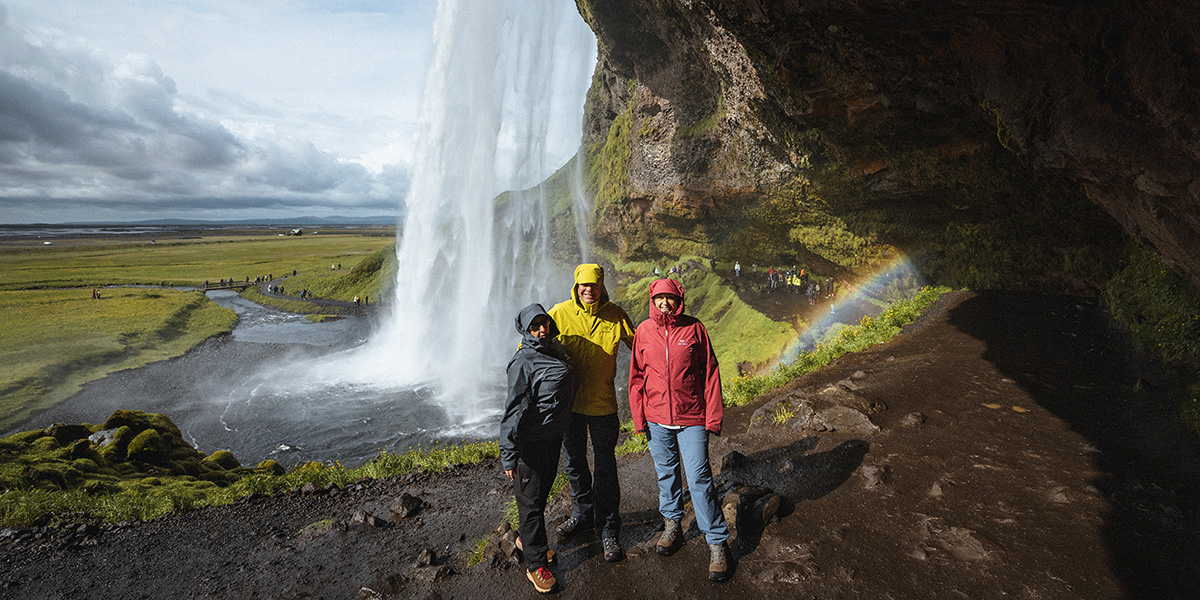
Travellers exploring waterfalls in Iceland on a guided journey
The route is only part of the experience. The people, conditions and unexpected stops shape the rest.

Frequently Asked Questions About Private Tours in Iceland

Are private tours in Iceland worth the extra money?

For travellers who value flexibility, privacy, personal attention and an itinerary designed around their interests, private tours can be well worth the additional cost. They are particularly useful for families, couples, photographers and travellers planning multi-day journeys. Group tours remain a good alternative when budget is the main priority.

How much does a private tour in Iceland cost?

The price depends on the length of the tour, the vehicle, the number of travellers and the services included. Many operators charge per vehicle rather than per person. Icelandic Roamers offers private tours priced by travelling party, with professional photography included.

Can I customise a private tour in Iceland?

Yes, although the level of flexibility varies between operators. Some private tours follow a standard sightseeing route, while tailor-made journeys are designed around your interests, travel dates, accommodation and preferred activities. Weather, safety and pre-booked services may still affect the itinerary.

Are private Iceland tours suitable for families?

Absolutely. Private tours allow more flexibility with departure times, walking distances, sightseeing stops and activities, making them particularly convenient for families travelling with children or several generations. Individual activities may have age or mobility requirements.

Do private tours in Iceland include professional photography?

Can I explore Iceland without renting a car?

Yes. Private guided day tours and multi-day journeys allow you to explore Iceland without driving yourself. A dedicated driver-guide handles transportation and route planning, while accommodation and activities can be arranged as part of a tailor-made itinerary.
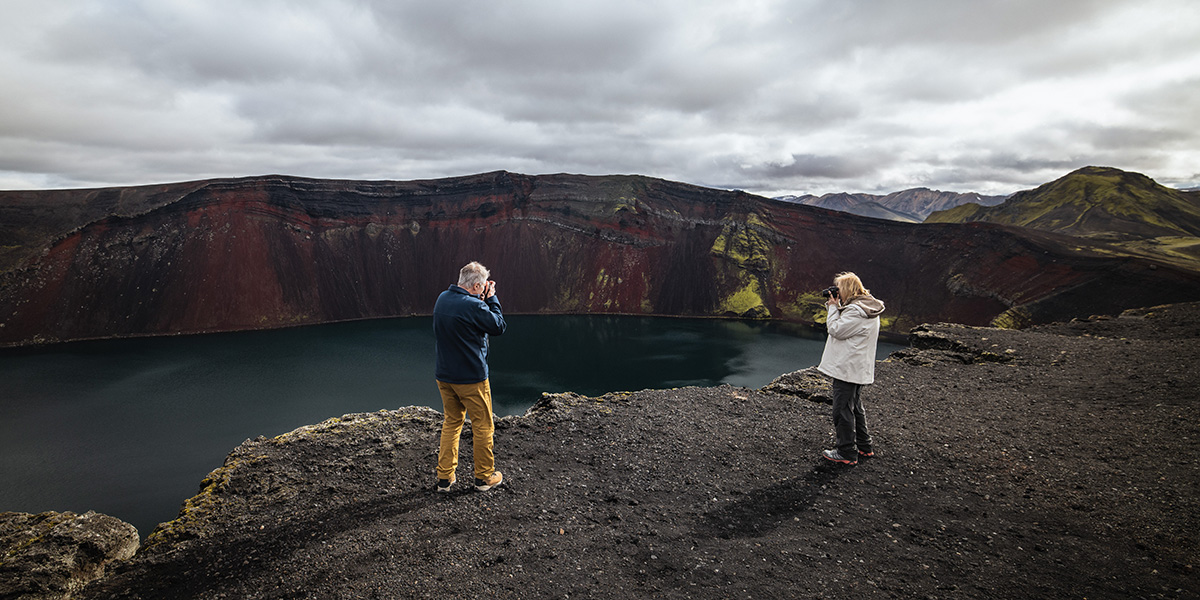
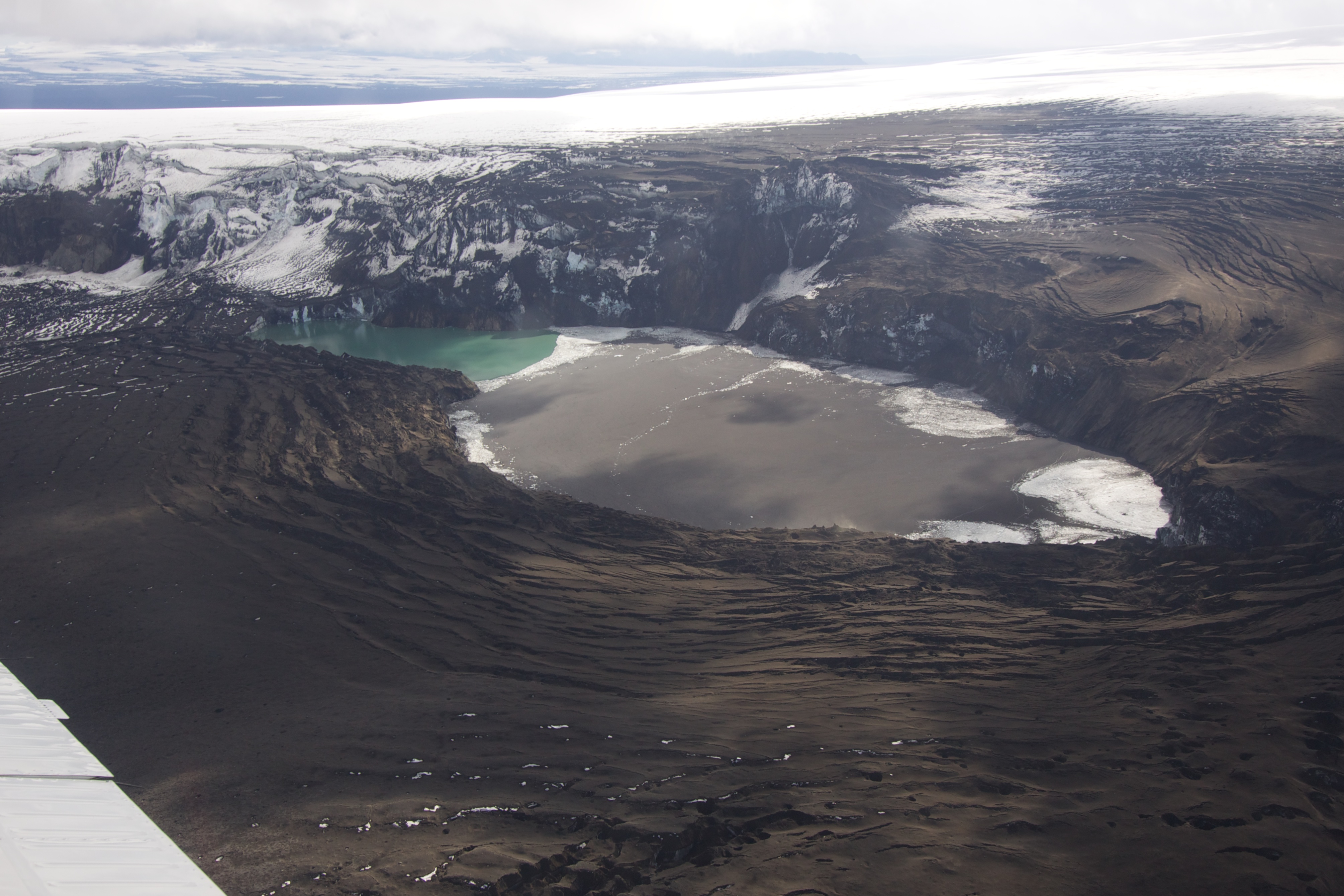
Two travellers photographing a volcanic crater lake in the Icelandic Highlands
From volcanic landscapes to the little discoveries along the way – the Land of Fire and Ice is even better when you have time to explore it your way.

So, Is a Private Tour in Iceland Worth It?

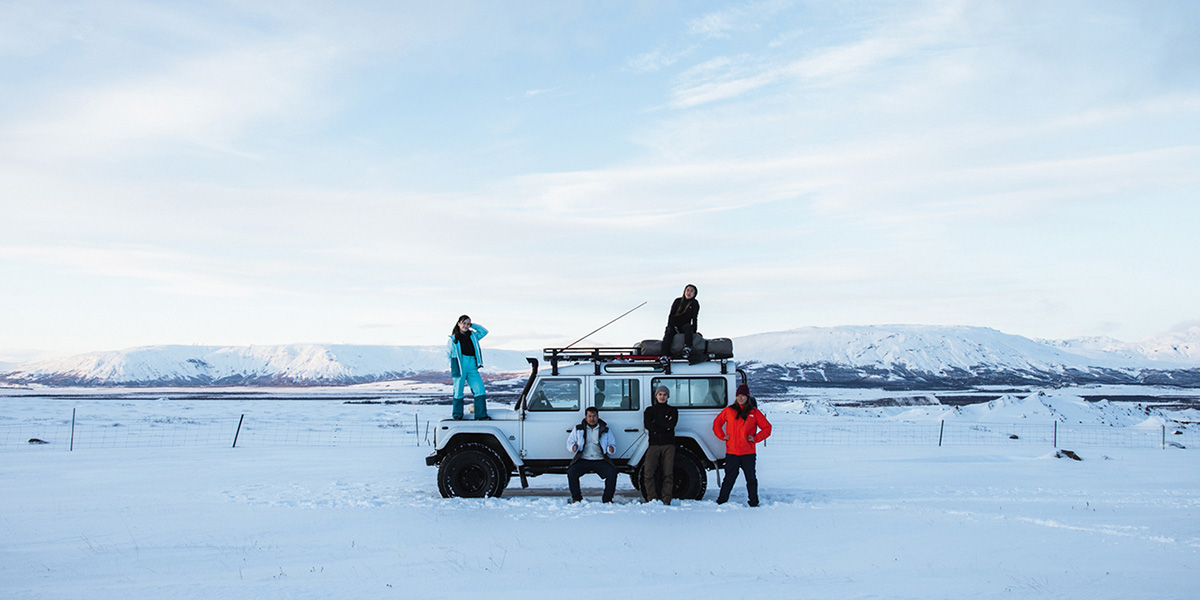
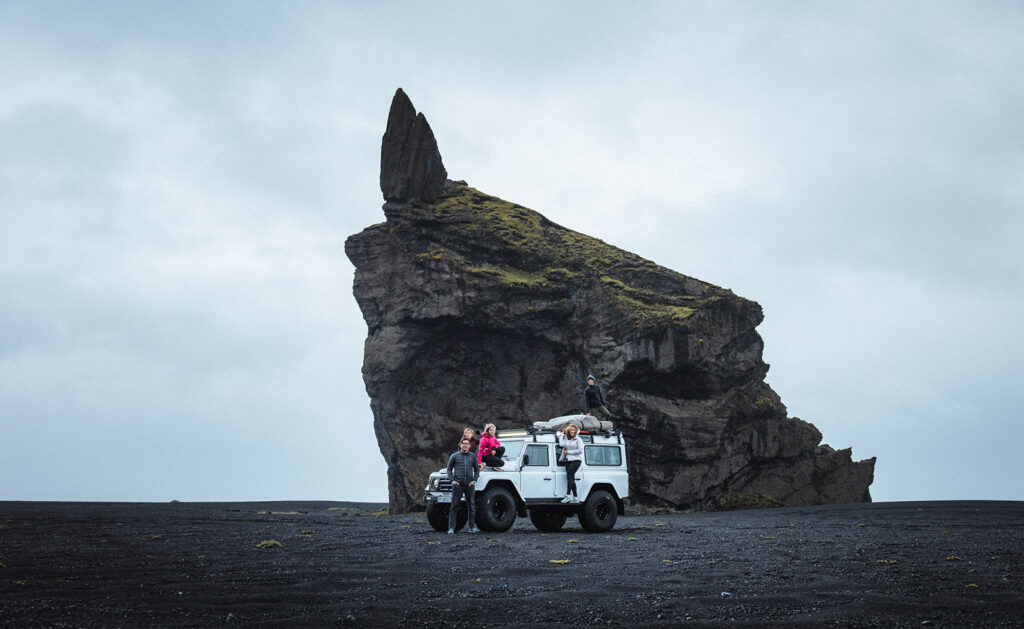
Icelandic Roamers guides with a Defender four-wheel-drive vehicle

Explore Iceland with Icelandic Roamers

Travellers exploring a winter glacier landscape in Iceland

Ice Caves in Iceland: Where to Go & What to Expect

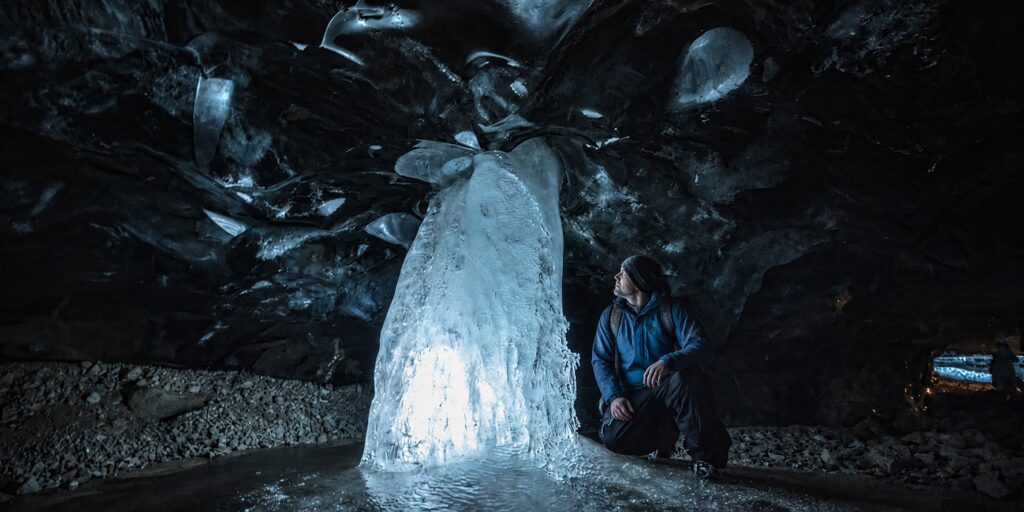
Traveller exploring a natural ice cave in Iceland
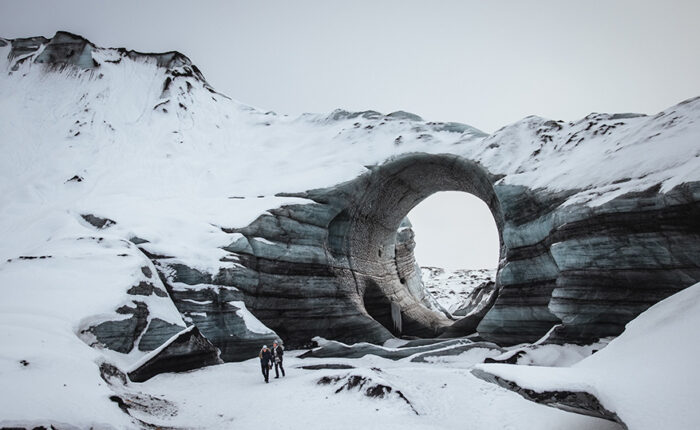
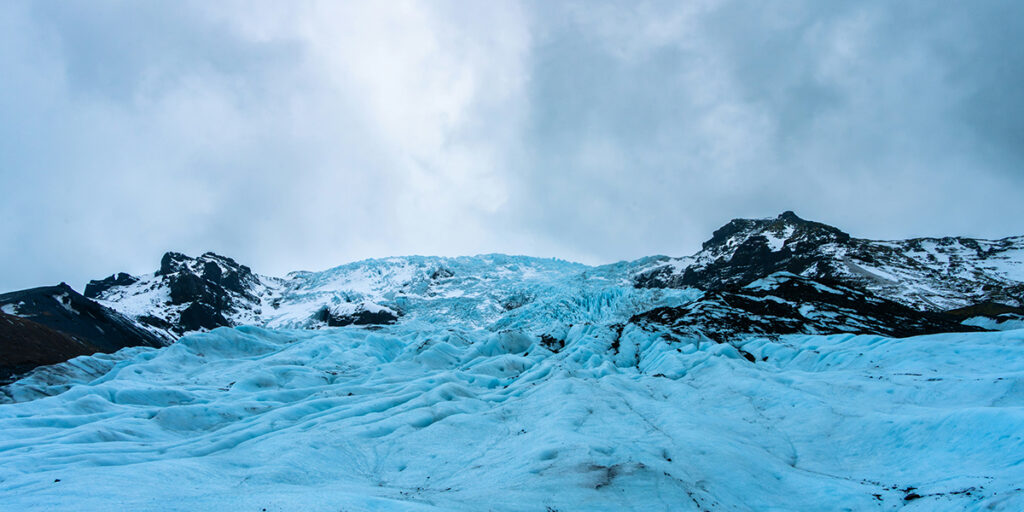
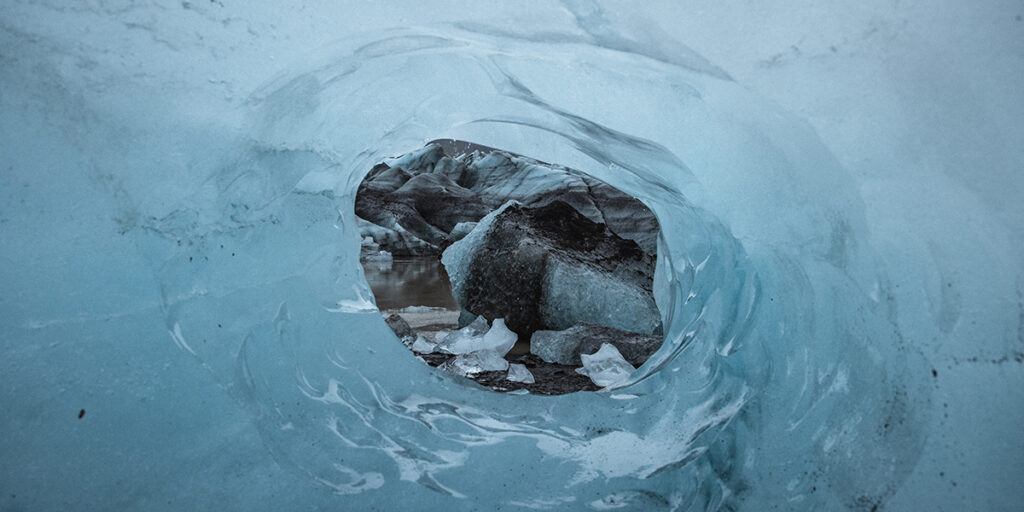
Not every ice cave is intensely blue. Light, volcanic material and the structure of the ice can create dramatically different colours and textures.

Iceland’s ice caves are never quite the same

And yes, the ice really can be that blue

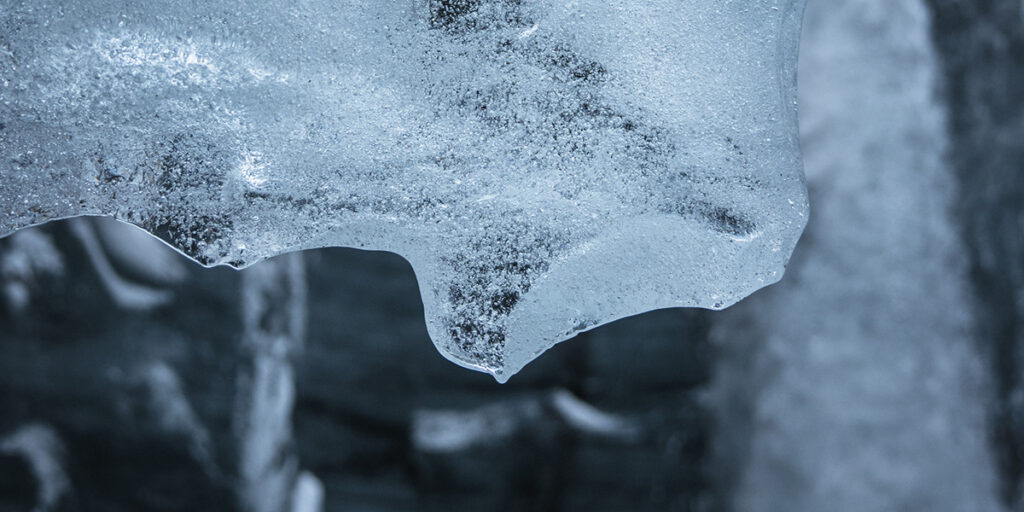
Close-up of natural glacier ice in Iceland
Up close, glacier ice reveals trapped air, tiny imperfections and layers shaped by years of compression and movement.

Where would we go for an ice cave in Iceland?

What about Katla Ice Cave?

The best ice cave experience starts long before the ice cave

Jökulsárlón Glacier Lagoon during winter in Iceland
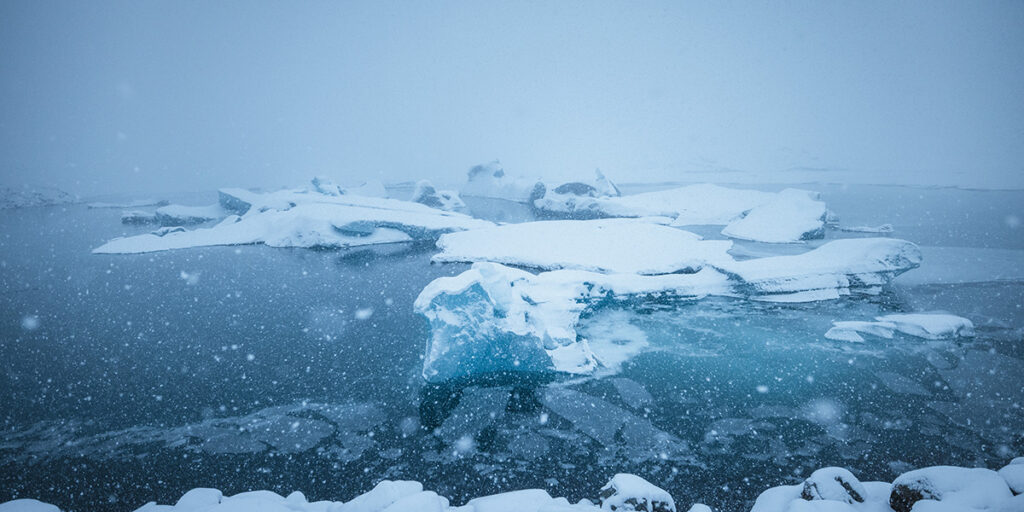
Jökulsárlón in winter, where ice from Breiðamerkurjökull drifts through a landscape that never looks quite the same twice.

Jökulsárlón, Diamond Beach and then – inside the glacier

Glacier ice layered with volcanic ash in Iceland
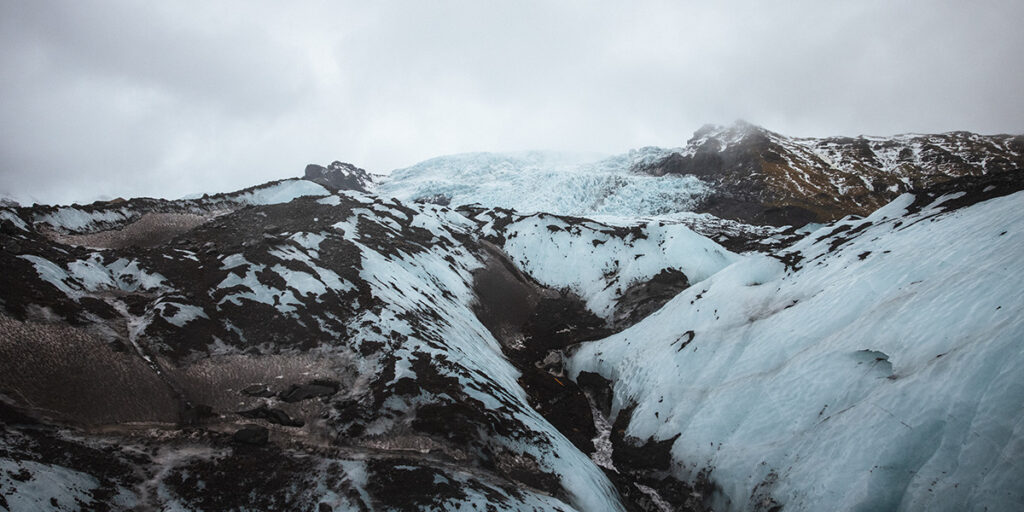
Layers of glacier ice and dark volcanic material create some of Iceland’s most unusual frozen landscapes.

What is it actually like inside an ice cave?

Is an ice cave tour difficult – and is it safe?

The journey towards Iceland’s ice caves is part of the experience, with enormous winter landscapes unfolding long before you step inside the glacier.

Two days is good. Three days is even better.

What if you are coming to Iceland in summer?

So, are Iceland’s ice caves worth it?

Traveller with glacial ice at Diamond Beach in Iceland
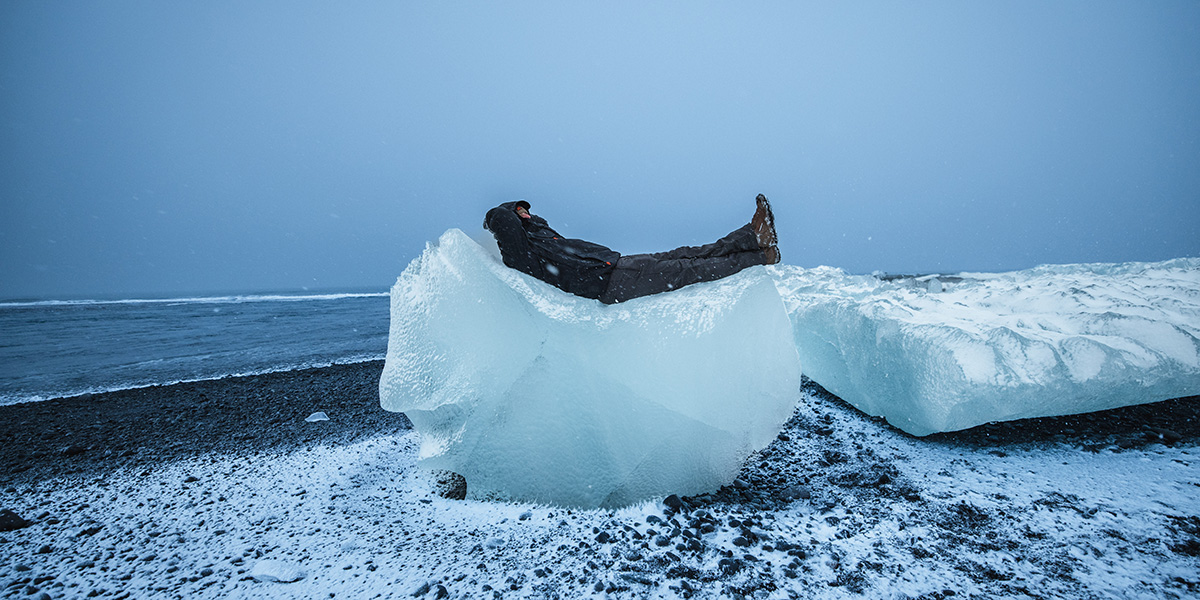
Sometimes the best moments are the ones we never planned – somewhere between the glacier, the lagoon and Iceland’s black-sand coast.

Frequently asked questions about ice caves in Iceland

When is the best time to visit an ice cave in Iceland?

Which ice cave in Iceland is the best?

Is Katla or Vatnajökull better?

Can you visit a Vatnajökull ice cave from Reykjavík in one day?

Can I visit an Icelandic ice cave without a guide?

What should I wear for an ice cave tour?

Reynisfjara Black Sand Beach: Why Is It Black & What Makes It Unique?

Why Is Reynisfjara Black?


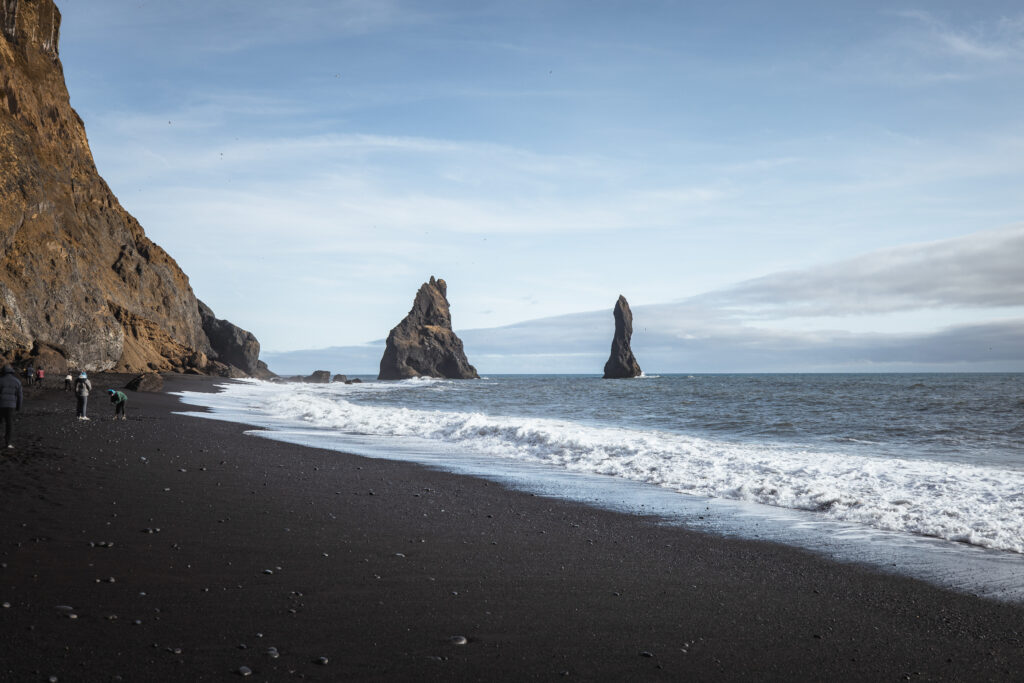
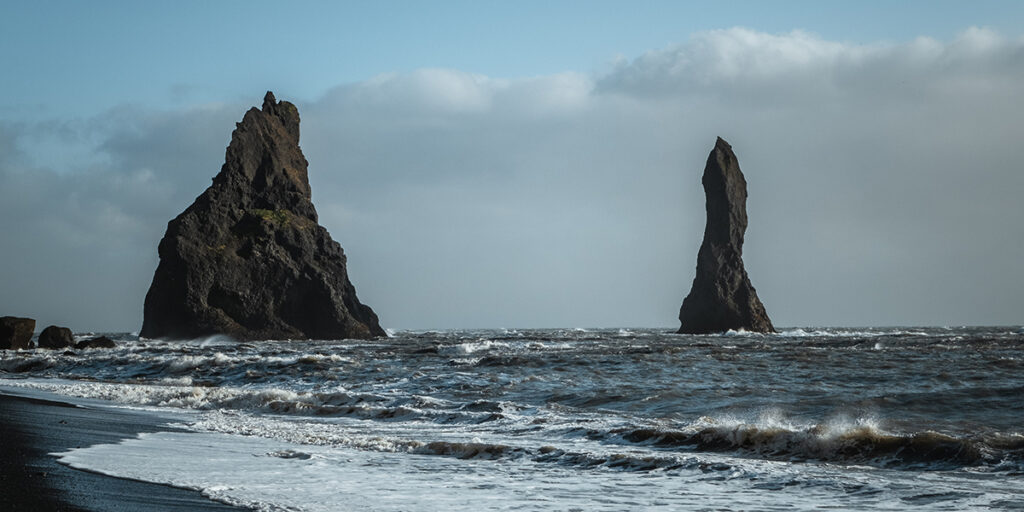
Reynisfjara Black Sand Beach with Reynisdrangar sea stacks on Iceland's South Coast
Reynisfjara combines black volcanic sand, Atlantic waves and dramatic rock formations in one of the South Coast’s most recognisable landscapes.


When Lava Turns into Architecture

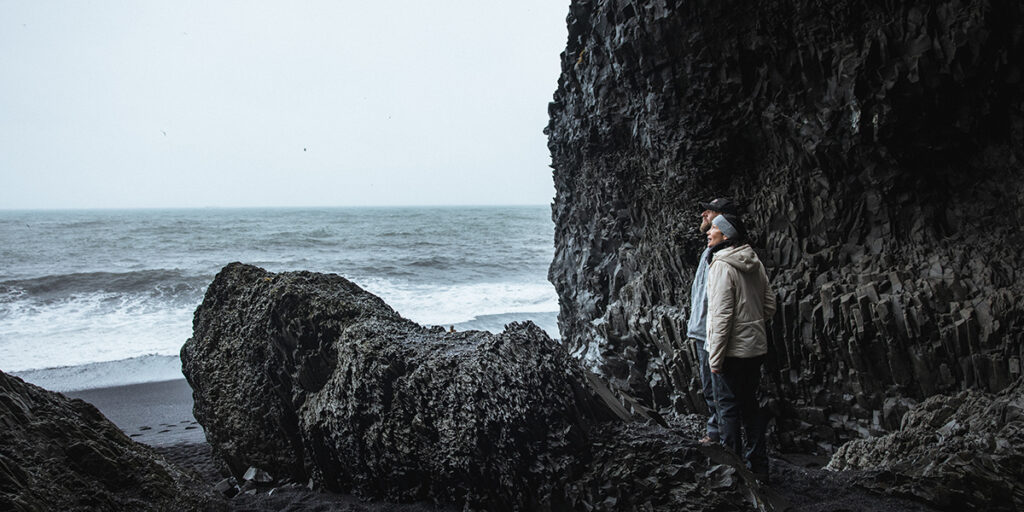
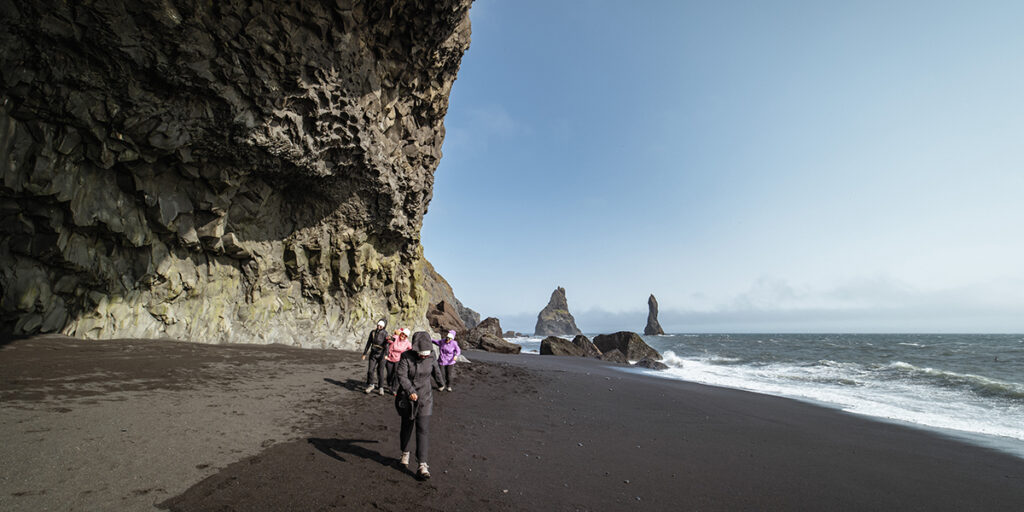
Person standing near basalt cliff
Up close, the scale and strange geometry of Reynisfjara’s volcanic formations become much easier to appreciate.
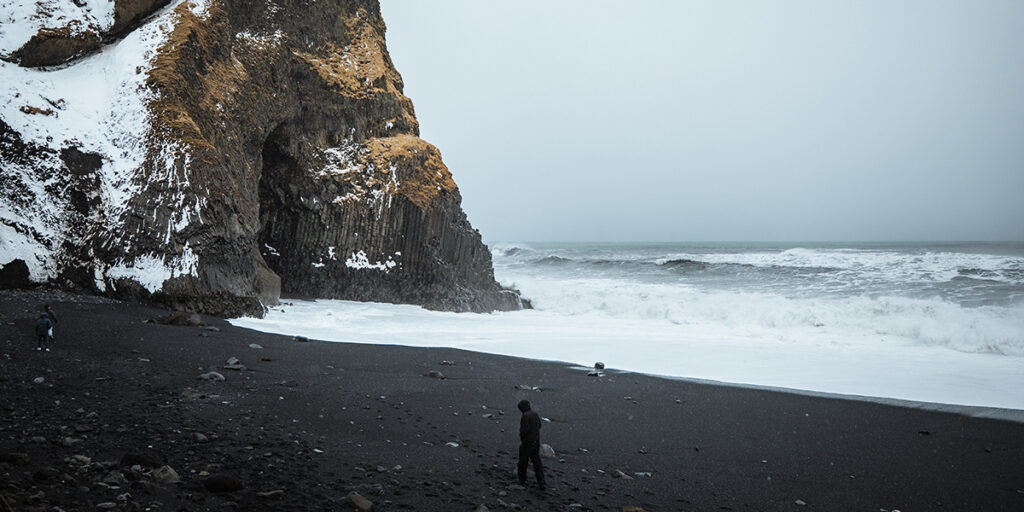
Basalt columns and winter cliffs at Reynisfjara Black Sand Beach in Iceland
Reynisfjara’s basalt formations become especially striking in winter, when snow highlights the structure of the volcanic cliff.

Reynisdrangar: Geology, Trolls and the Atlantic


Reynisdrangar sea stacks rising from the Atlantic Ocean at Reynisfjara Iceland
Reynisdrangar, the dramatic sea stacks rising just offshore from Reynisfjara, inspired one of South Iceland’s best-known legends.

A Beach That Keeps Changing


Windy Reynisfjara coastline with black sand, cliffs and Atlantic waves
Reynisfjara is never completely static. Waves, storms and moving sand continuously reshape the coastline.

Beautiful, Famous and Worthy of Respect

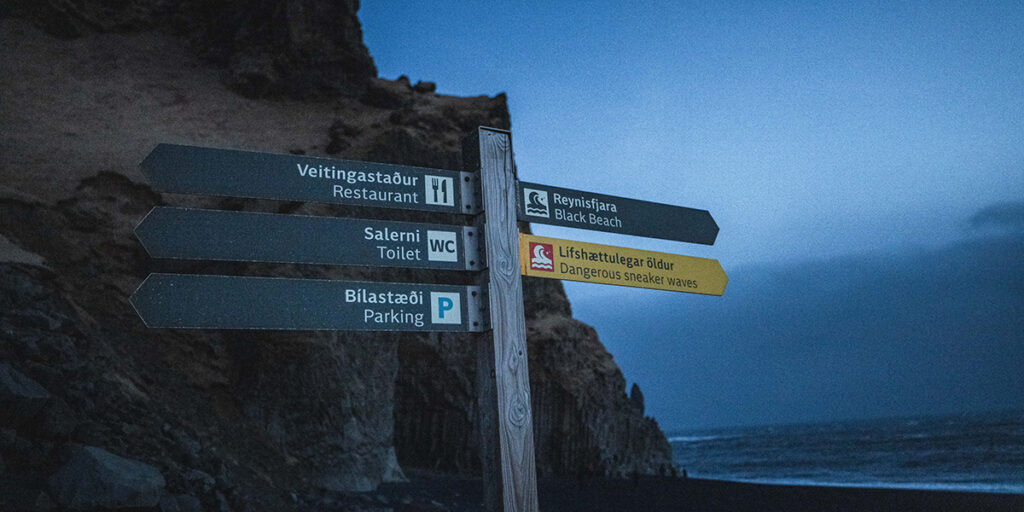
Dangerous sneaker waves warning sign at Reynisfjara Black Sand Beach
The warning signs at Reynisfjara are there for a reason: sneaker waves can reach much farther up the beach than expected.

Reynisfjara Through the Seasons


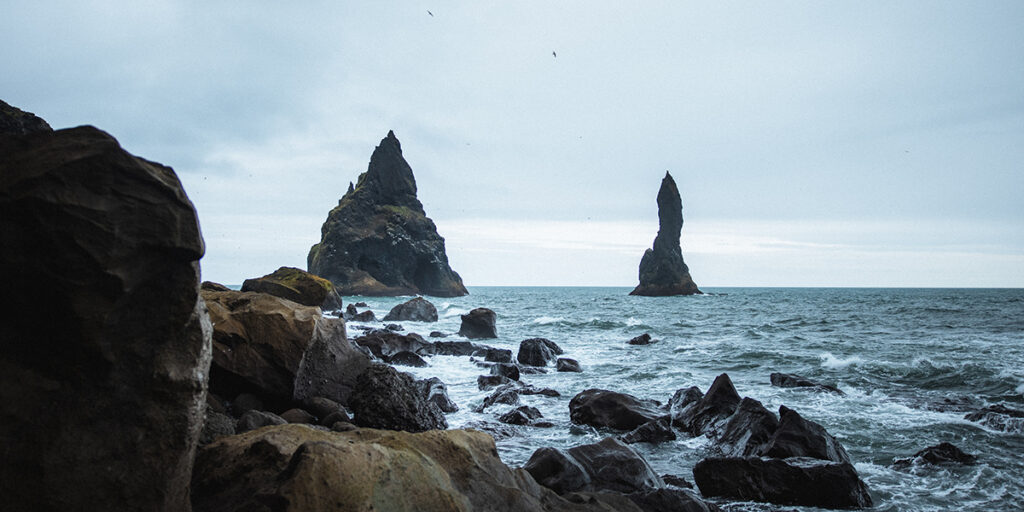
Rocky Atlantic shoreline and Reynisdrangar at Reynisfjara Iceland
Beyond the famous stretch of black sand, Reynisfjara reveals a much rougher volcanic coastline.
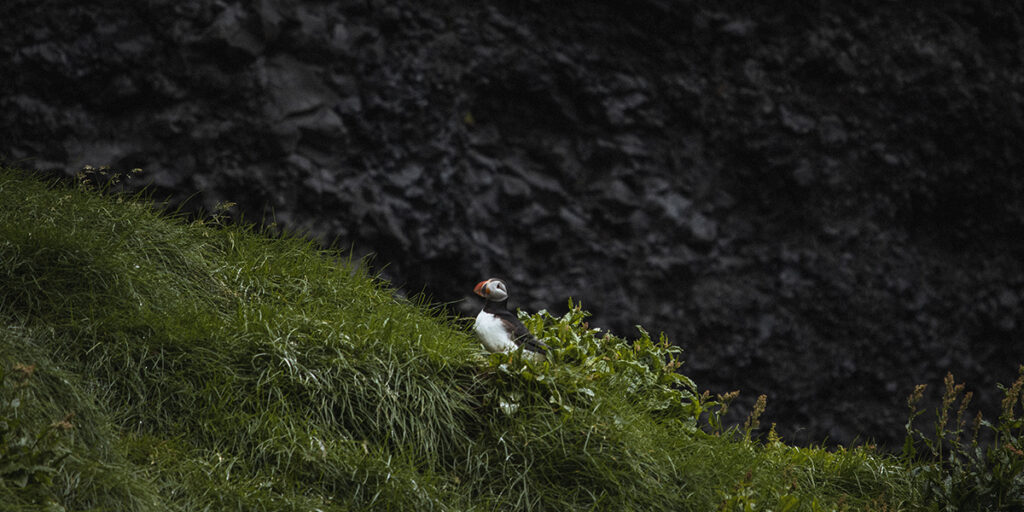
Atlantic puffin near Reynisfjara cliffs in South Iceland
In summer, the cliffs around Reynisfjall become home to seabirds, including Atlantic puffins.

More Than a Stop on the South Coast

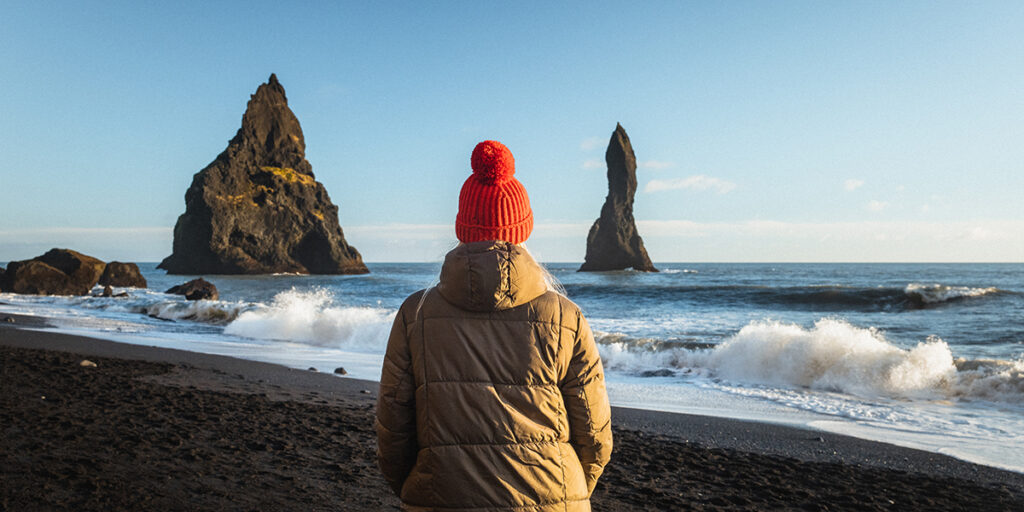
Winter visitor looking towards Reynisdrangar at Reynisfjara Black Sand Beach
Low winter light gives Reynisfjara a completely different character, with the black sand and Atlantic scenery becoming even more dramatic.

Reynisfjara FAQ

Why is Reynisfjara black?

Its sand is made largely from dark volcanic material. Basalt created by eruptions is gradually broken down and redistributed by weather, rivers, glaciers and ocean erosion until it becomes the black sand seen along the beach.

Is Reynisfjara the only black sand beach in Iceland?

No. Iceland has many black volcanic beaches. Reynisfjara is especially famous because the sand appears together with basalt columns, sea caves, high cliffs and the Reynisdrangar sea stacks.

Is Reynisfjara the same as Vík Black Sand Beach?

No. Reynisfjara lies west of Reynisfjall, while Vík and its black beach are on the eastern side. Both offer views of Reynisdrangar from different angles.

Is Reynisfjara dangerous?

The beach can be visited safely when current warnings are respected, but powerful sneaker waves and strong currents make the shoreline dangerous. Stay well back from the ocean, follow the warning lights and signs and never turn your back on the waves.

Can you swim at Reynisfjara?

No. Reynisfjara is not a swimming beach. Cold water, strong currents and unpredictable waves make entering the sea extremely dangerous.

Is Reynisfjara disappearing?

No, but the coastline is dynamic. Significant erosion in early 2026 shifted large amounts of sand and temporarily changed access to parts of the beach, showing how quickly an exposed Atlantic shoreline can change.

When is the best time to visit Reynisfjara?

Reynisfjara can be visited year-round. Summer offers long daylight and seabirds, autumn brings atmospheric light, while winter can create striking contrasts between snow and black sand. Current weather and wave conditions matter more than the season itself.

Travellers exploring Reynisfjara on a private guided South Coast tour
Exploring Reynisfjara with time to slow down, look around and let the landscape set the pace.

Experience Reynisfjara with Icelandic Roamers

People photographed at Reynisfjara during a private South Coast tour in Iceland

Reykjanes Peninsula Guide: Where Iceland’s Wildest Forces Meet

Where the Earth Opens Up

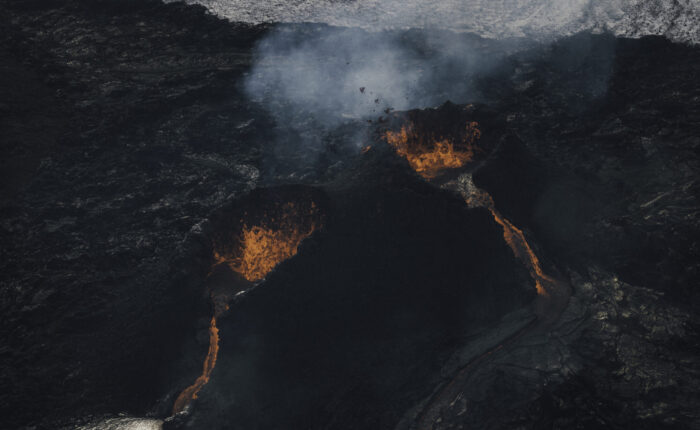
Across Reykjanes, volcanic landscapes reveal the immense forces that have been shaping Iceland for thousands of years.

Kleifarvatn: Iceland at Its Quietest


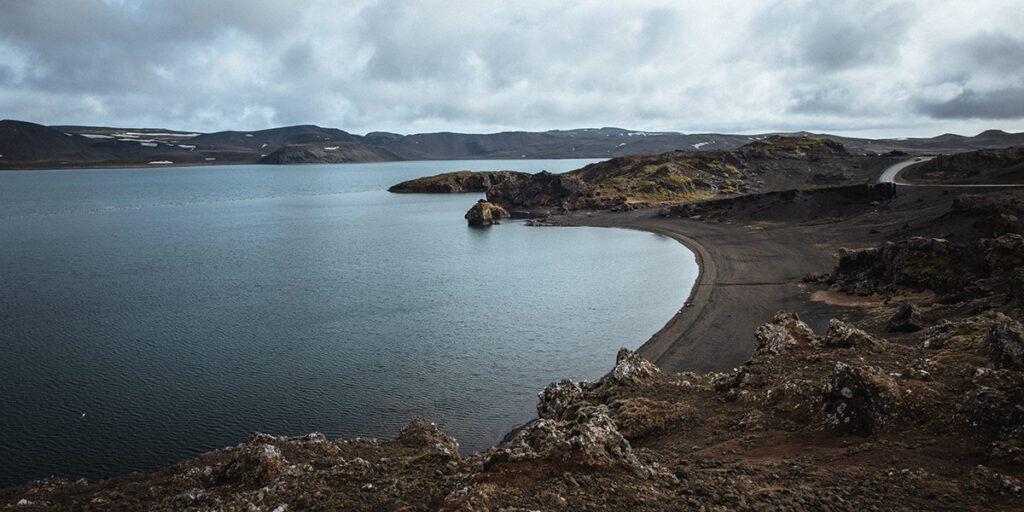
Kleifarvatn, the largest lake on the Reykjanes Peninsula, surrounded by volcanic hills and black shoreline.

Seltún: When the Ground Starts to Steam


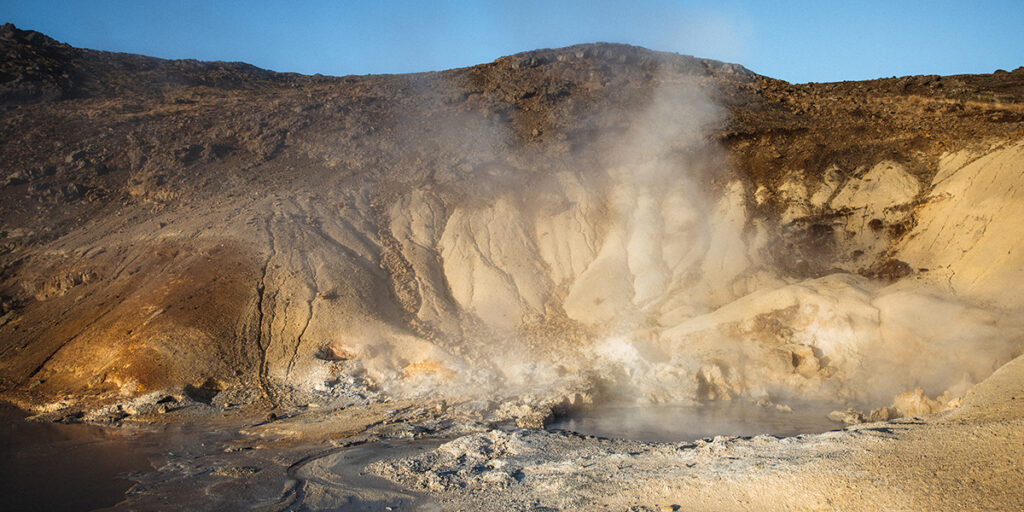
Seltún’s colourful geothermal ground, where steam, mineral deposits and bubbling mud reveal the heat beneath Reykjanes.

A Landscape Born in Fire

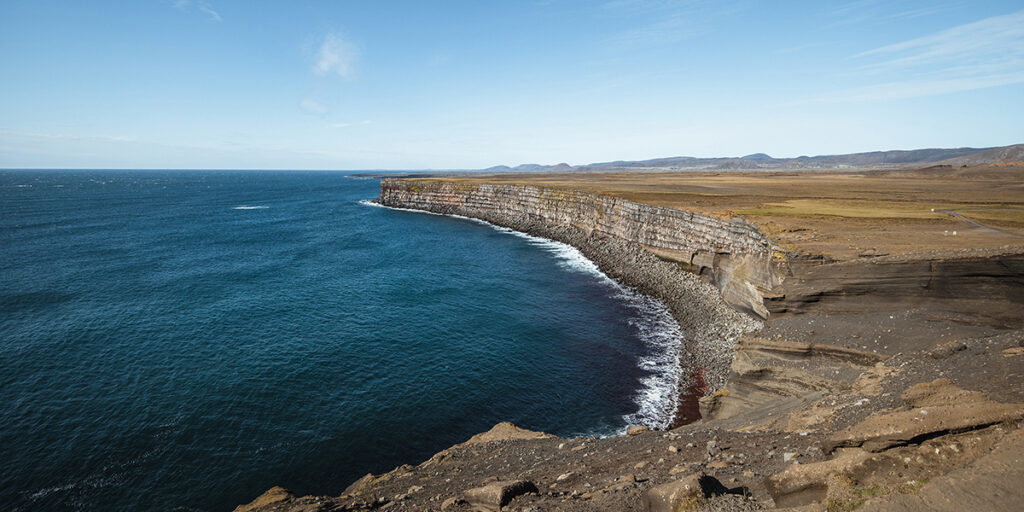
The volcanic coastline at Krýsuvíkurberg, where dark cliffs meet the restless Atlantic.

Where Iceland Meets the Atlantic

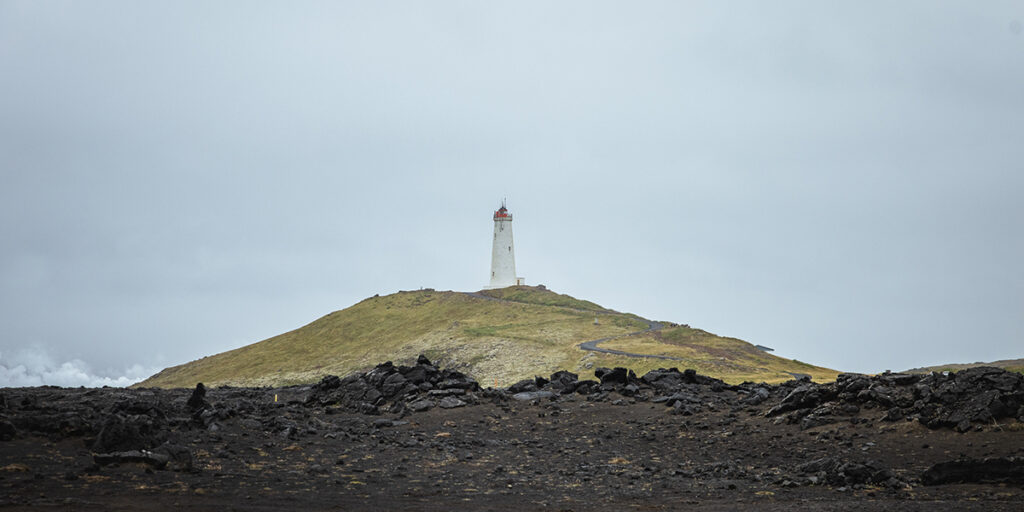
Reykjanesviti above the Atlantic coast, one of the most recognisable landmarks at the tip of the Reykjanes Peninsula.

The Bridge Between Continents and the Story Beneath It


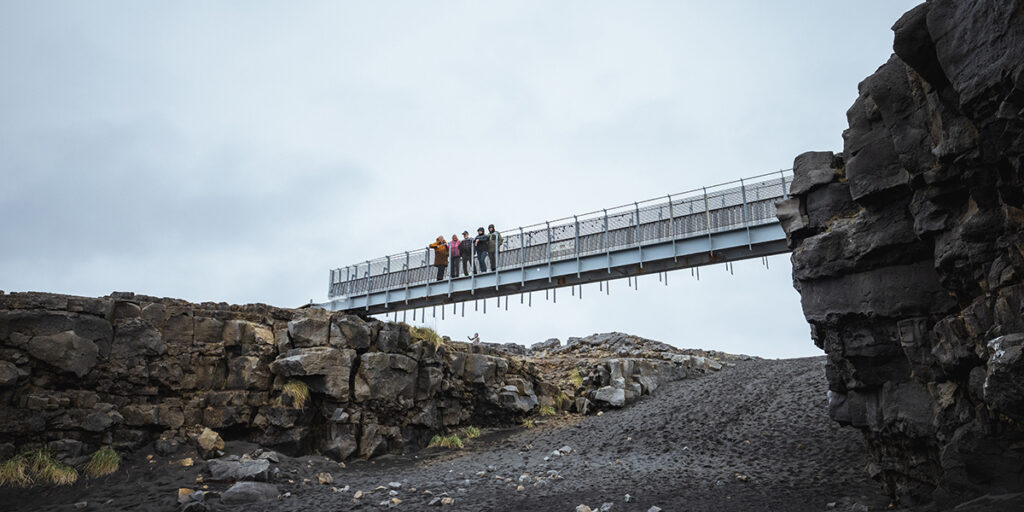
The Bridge Between Continents crosses a fissure in the lava landscape of Reykjanes, symbolising the separation of the North American and Eurasian plates.

The Luxury of Having Time

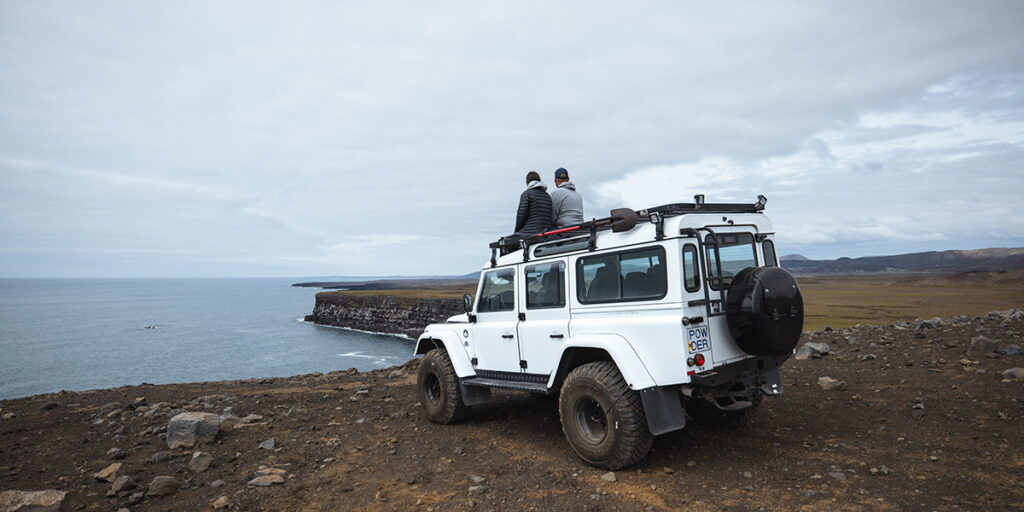
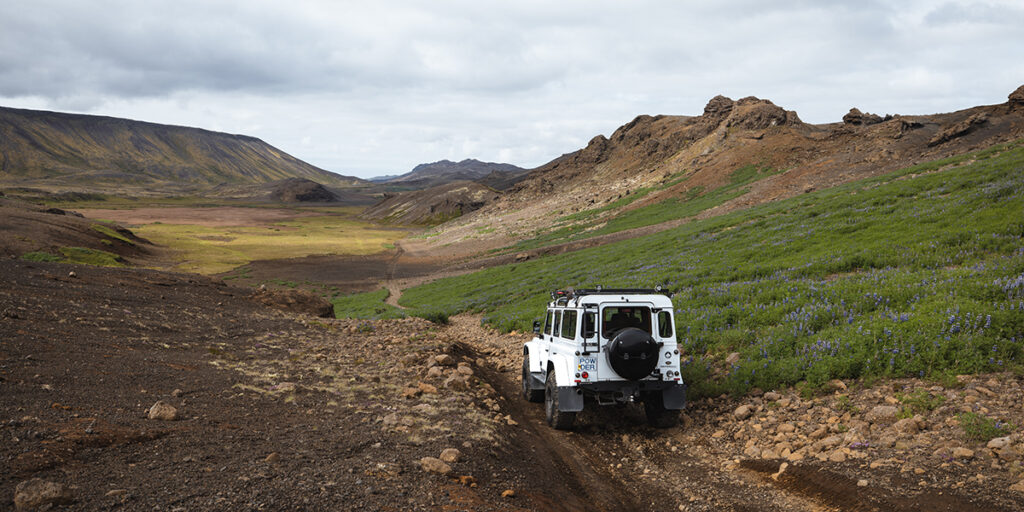
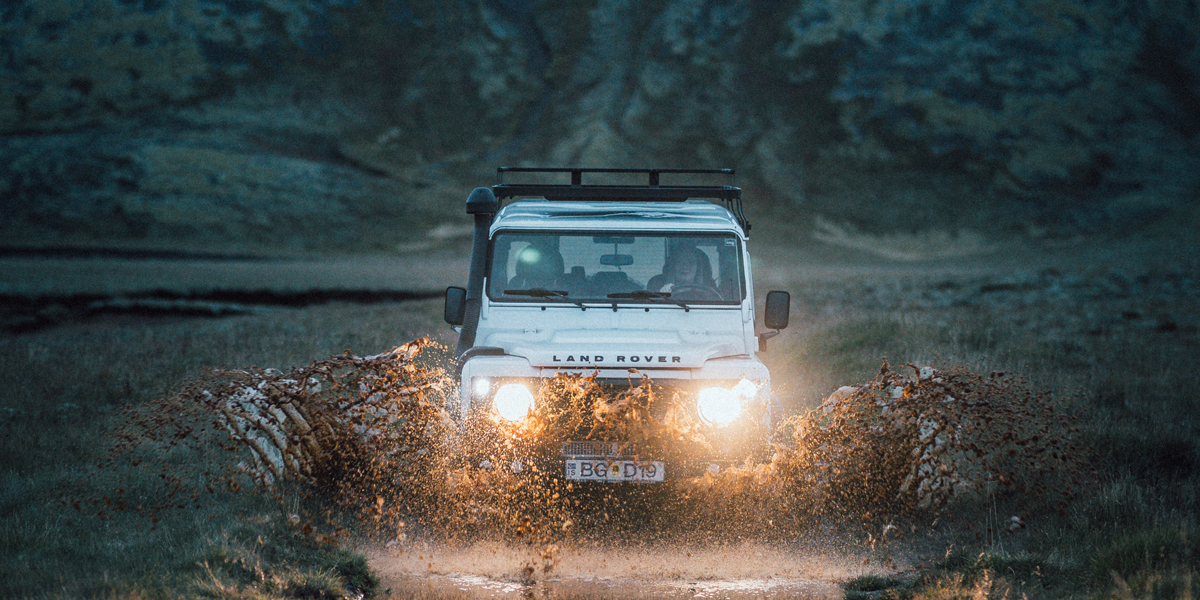
The wild lanscapes of Reykjanes are best enjoyed… with the freedom of a private Super Jeep!

Reykjanes Through a Local’s Eyes

Exploring Reykjanes on a private tour, in the company of a knowledgeable local guide, makes it a whole new experience.

A Different Side of Iceland

Experience Reykjanes with Icelandic Roamers

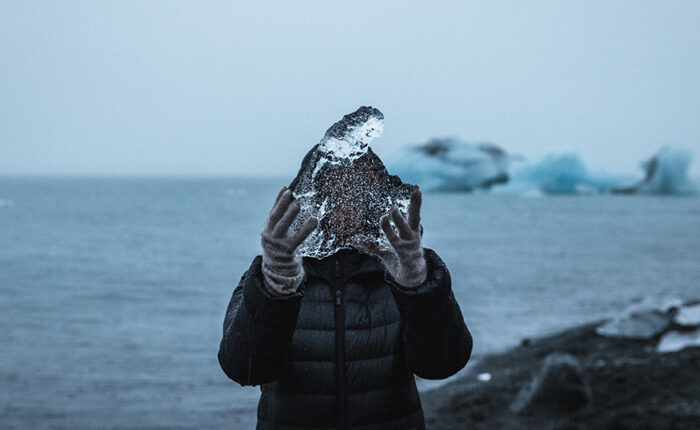
Person holding ice in landscape

Iceland Glaciers: The Forces That Shape the Land

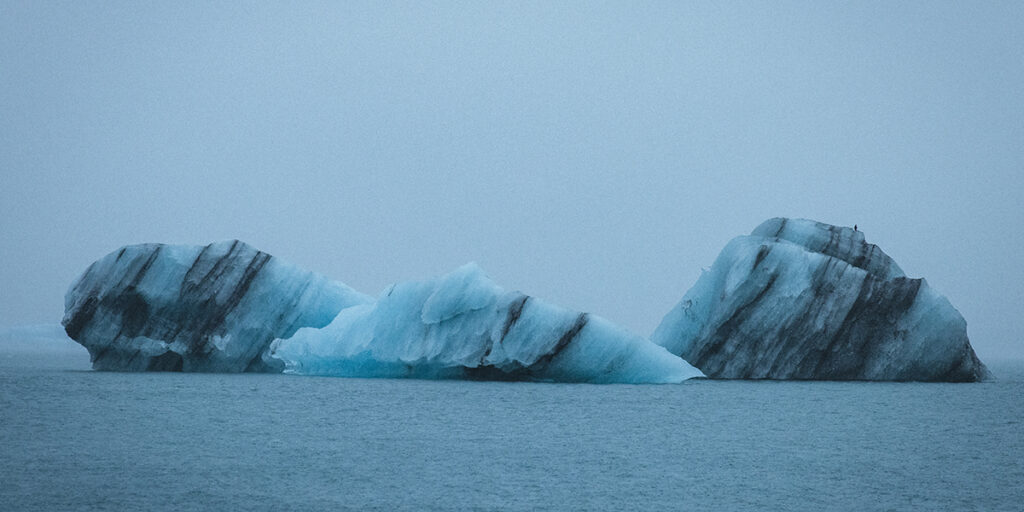
Massive pieces of glacial ice drift through Iceland’s cold waters, reminders that these landscapes are constantly changing.

How glaciers form in Iceland

Ice caps and the rivers of ice beneath them

Vatnajökull is an immense ice cap whose outlet glaciers flow towards the valleys and lowlands surrounding it.

Vatnajökull: where ice meets fire

From glacier to lagoon: the journey of the ice

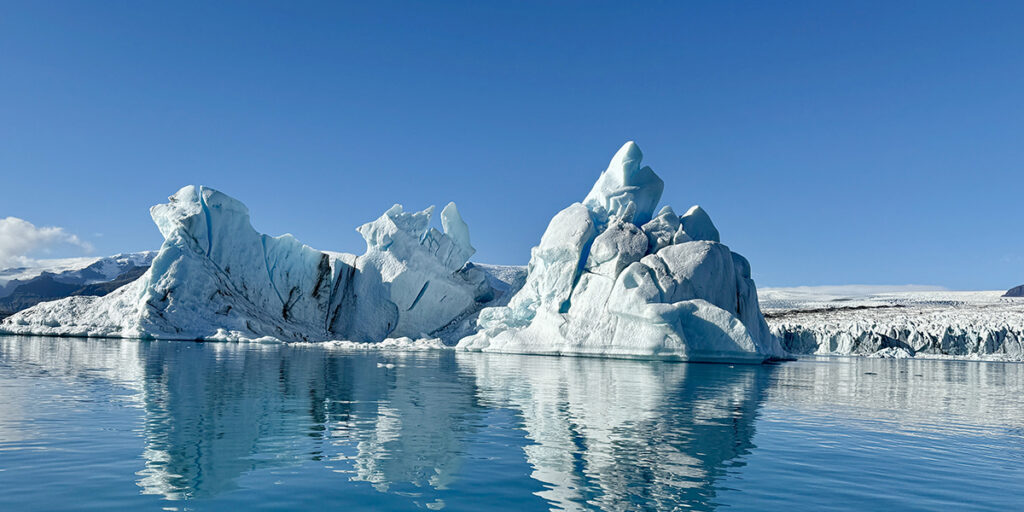
At Jökulsárlón, massive icebergs break away from Vatnajökull and drift through the glacial lagoon before floating out to sea.

Why glacier ice can be so intensely blue

Inside the glacier, layers of compressed ice create an otherworldly world of blue.

Iceland’s glaciers are changing

A closer look at the ice reveals textures, colours and details you simply cannot see from a distance.

Experiencing a glacier rather than simply seeing one

Inside Langjökull: the Into the Glacier experience

There is more than one way to explore Iceland’s glaciers

At Diamond Beach, fragments of glacial ice meet Iceland’s black volcanic coastline – the final stage of a journey that began high on Vatnajökull.

A country shaped by ice

Iceland Weather: Why Four Seasons Can Happen in One Day

Why is Iceland’s weather so unpredictable?

Can you really experience four seasons in one day in Iceland?

Rain, mist, wind and sunshine can all become part of the same Icelandic day.

Iceland’s weather isn’t the same everywhere

What is Iceland’s climate like?

Long summer days and the Midnight Sun give you far more flexibility when exploring Iceland.

Iceland Weather by Season

Spring: March to May

Summer: June to August

Autumn: September to October

Winter: November to February

Winter’s long, dark nights create the conditions for one of Iceland’s most famous natural phenomena: the Northern Lights.

How should you prepare for Icelandic weather?

What should you check before travelling around Iceland?

At Reynisfjara, changing weather can transform the atmosphere of Iceland’s famous black sand coast within minutes.

What if the weather changes your plans?

Why travelling with a local guide can make a difference

Even under Iceland’s ever-changing skies, a private tour is about making the most of wherever the day takes you.

What if the weather isn’t perfect?

There is a difference, of course, between dramatic weather and dangerous weather. Strong winds, poor visibility, icy roads and severe conditions aren’t something to romanticise, and sometimes the right decision really is to change your plans.

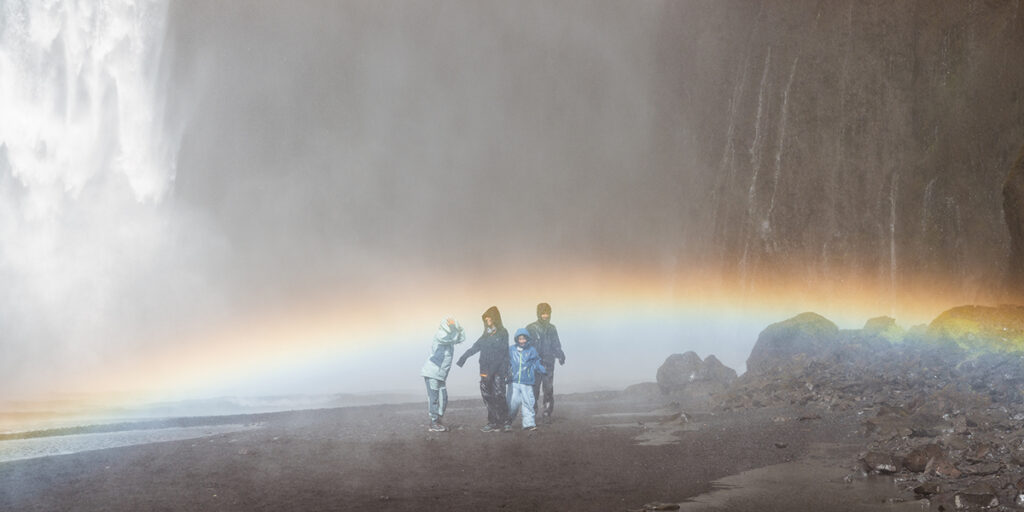
Rain, mist and sunlight can come together to create some of Iceland’s most memorable moments.

Frequently Asked Questions About Iceland Weather

Iceland has a cool maritime climate with relatively mild temperatures for its latitude, but weather conditions can change quickly. Rain, wind, snow and sudden changes between sunshine and cloud are possible throughout the year.

Does Iceland really have four seasons in one day?

The phrase describes Iceland’s rapidly changing conditions rather than four literal seasons occurring in 24 hours. Sunshine, rain, wind, mist and even snow can occur within the same day, particularly when travelling between regions or elevations.
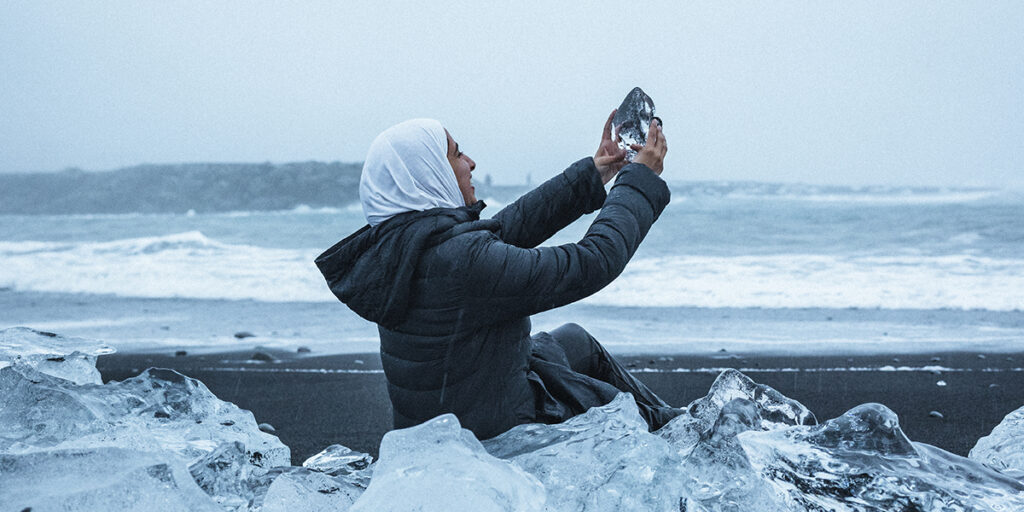
Is Iceland cold in summer?

Icelandic summers are generally cool rather than cold or hot, with temperatures commonly around 10-15°C. Wind and rain can make it feel considerably colder, so layers and waterproof clothing are useful even in July and August.

Does it rain a lot in Iceland?

Rain is possible throughout the year, although precipitation varies considerably between regions. Southern and western Iceland generally receive more precipitation than the north, while weather can also change quickly from one location to another.

When is the best time to visit Iceland for good weather?

There is no month that guarantees perfect weather. Summer generally offers the longest daylight and relatively mild conditions, while winter offers short days, snowy landscapes and the best conditions for experiencing the Northern Lights. Your ideal season depends on what you want to see and how flexible you are prepared to be.

What should I wear in Iceland?

Even when Icelandic weather keeps you guessing, the landscapes waiting at the end of the road make the journey worthwhile.

The Icelandic weather rule worth remembering

Kerlingarfjöll: Iceland’s Hidden Gem. A Guide to the Highlands’ Geothermal Mountains

What is Kerlingarfjöll?

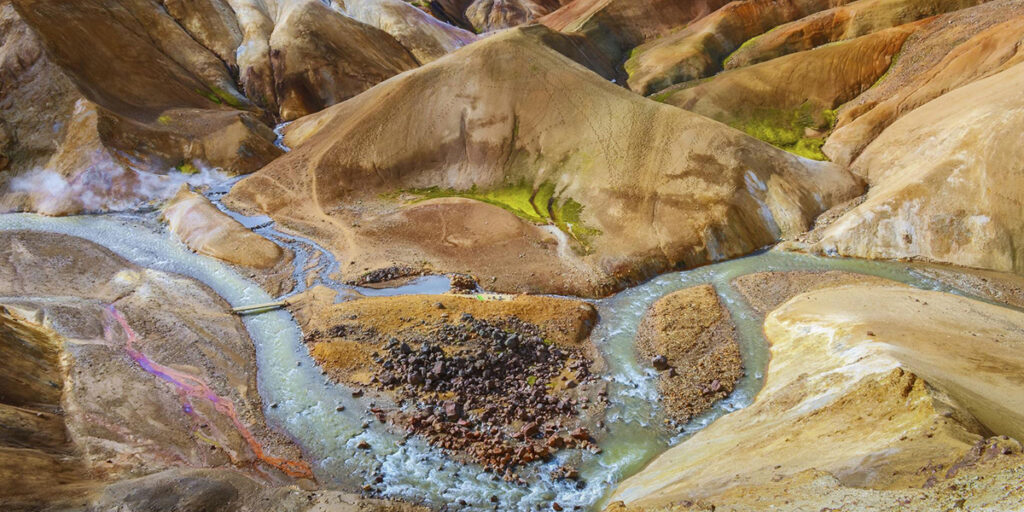
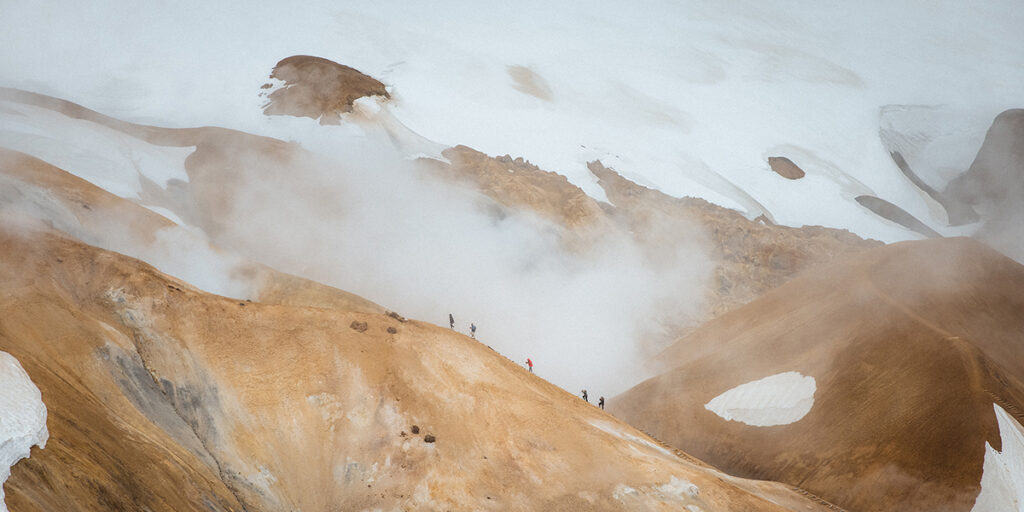
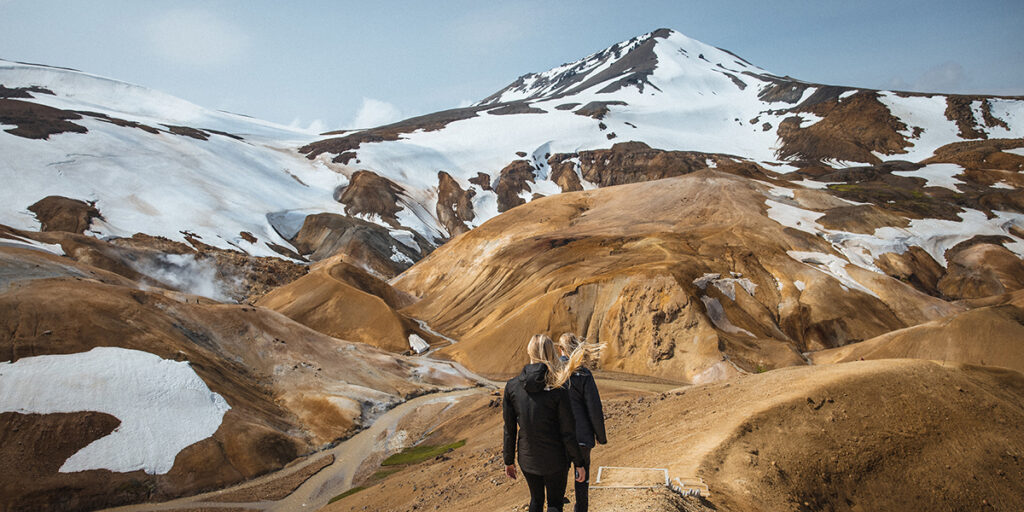
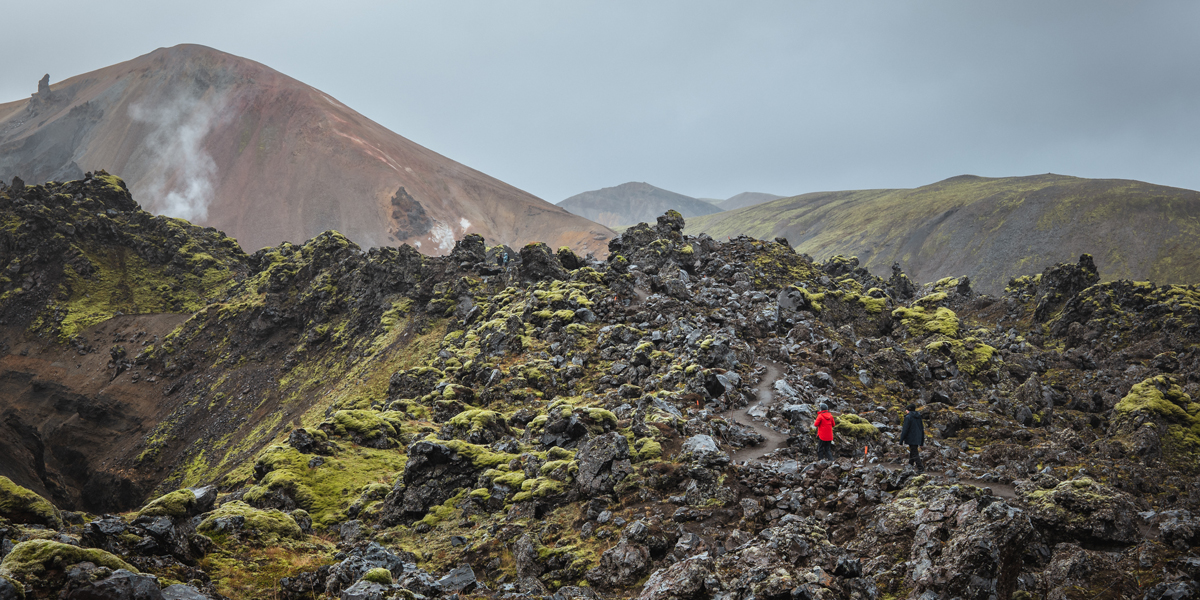
Geothermal activity has helped create the vivid colours of Kerlingarfjöll’s rhyolite mountains.

Why is Kerlingarfjöll so colourful?

Hveradalir: the geothermal heart of Kerlingarfjöll

One important thing to know
Steam rises from the geothermal landscape of Hveradalir in Kerlingarfjöll.

Kerlingarfjöll in summer: why now is the time to go

How to get to Kerlingarfjöll from Reykjavík

Can you drive to Kerlingarfjöll yourself?

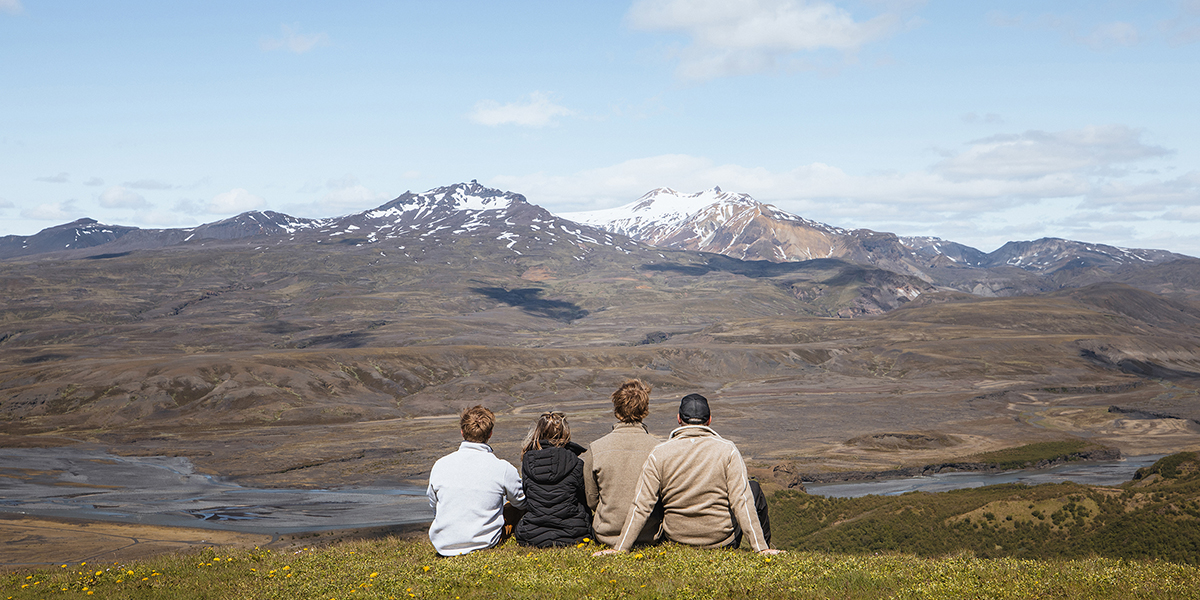
Summer is the main season for visiting Kerlingarfjöll and exploring Iceland’s Highlands.

Why visit Kerlingarfjöll with a private guide?

Kerlingarfjöll vs Landmannalaugar: which should you visit?

KerlingarfjöllLandmannalaugar
LandscapeDramatic, steep geothermal mountainsColourful mountains, lava fields and valleys
Signature coloursRust, orange, yellow, redBroader rainbow of colours
Geothermal featuresExtensive steaming valleys and fumarolesGeothermal areas and hot pools
AtmosphereRemote, wild and quieterMore established and popular
HikingExcellent range of trailsEqually excellent range of trails
Best forGeology, photography, dramatic scenery and solitudeHiking variety, Laugavegur access and classic Highland scenery
AccessKjölur + F347Several summer Highland routes
Overall feelOtherworldly and ruggedColourful and adventurous
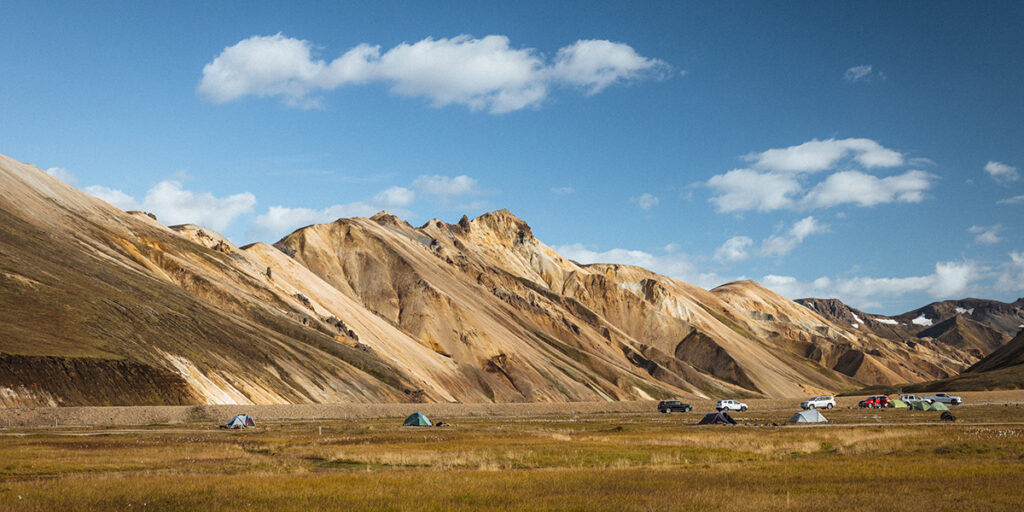
Landmannalaugar is another famous Highland destination known for its colourful rhyolite mountains.

7 fascinating facts about Kerlingarfjöll

3. Much of the volcanic activity happened beneath ice

4. It is one of Iceland’s major rhyolite areas

5. It used to have a summer ski area

6. The geothermal system covers a surprisingly large area

7. Hveradalir means “Valley of Hot Springs”

What should you wear for Kerlingarfjöll?

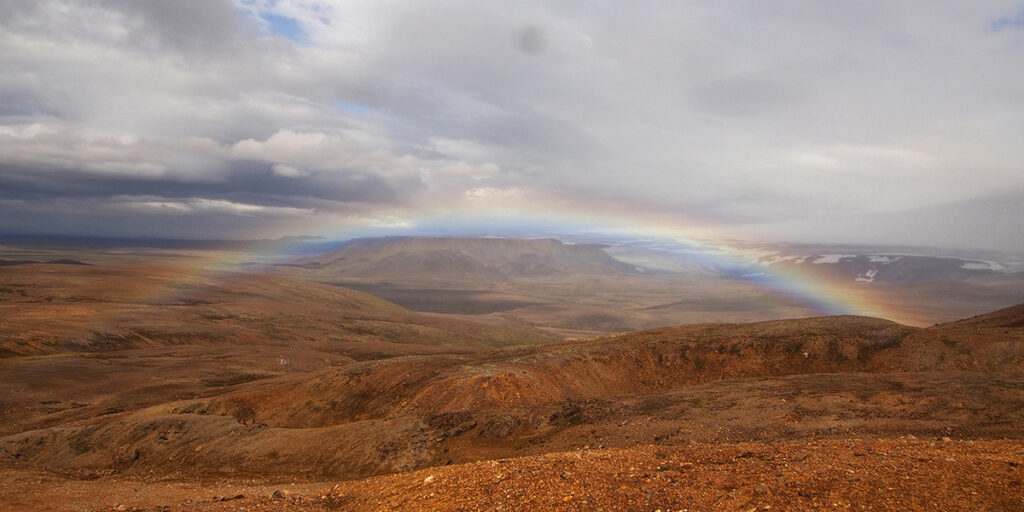
Rainbow over the picturesque Kerlingarfjöll Mountains.

Is Kerlingarfjöll worth visiting on a day trip from Reykjavík?

When is the best time to visit Kerlingarfjöll?

The natural geothermal pool at Hveravellir is one of the area’s best-known features.

Can you swim in the hot springs at Kerlingarfjöll?

Is Kerlingarfjöll difficult to hike?

Marked trails lead through the colourful geothermal landscape of Hveradalir.

Is Kerlingarfjöll a hidden gem?

Ready to see the other side of Iceland?

Why Kerlingarfjöll belongs on your Iceland itinerary

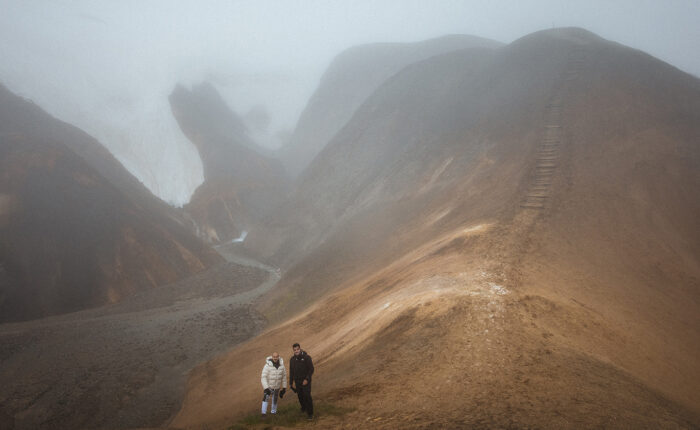
It is also a place where having someone who knows the area can make a real difference. Conditions in the Highlands can change quickly, access is seasonal, and the best experience is not necessarily about following a fixed list of viewpoints.

With a private guide, the day can be adapted to the weather, the road conditions and your interests, giving you more time to explore the landscapes that make Kerlingarfjöll so extraordinary.

Dramatic volcanic landscape in Iceland showing why the country is famous for its unique geology

Why Iceland Is Unlike Anywhere Else on Earth: The Geological Story Behind Its Greatest Natural Wonders

More Than the Land of Fire and Ice

A Young Island With an Extraordinary Story

Þingvellir is one of the few places on Earth where you can walk between two tectonic plates.

Fire Creates. Ice Perfects.

Fire built Iceland. Ice sculpted it. Photo by Brian Emfinger.

A Country That Constantly Reinvents Itself

Where Water Finds Its Way

Iceland’s waterfalls are fed by glacial rivers flowing across ancient volcanic landscapes.

Born From Fire, Shaped by the Ocean

Iceland’s famous black beaches were born from volcanic eruptions and shaped by the Atlantic Ocean.

The Earth Never Really Sleeps Here

Iceland’s geothermal activity reminds visitors that the island is still being shaped from below.

A Landscape That Refuses to Stand Still

More Than Beautiful Landscapes

The best way to understand Iceland is to experience its landscapes with someone who knows the stories behind them.

Discover the Story Behind the Scenery

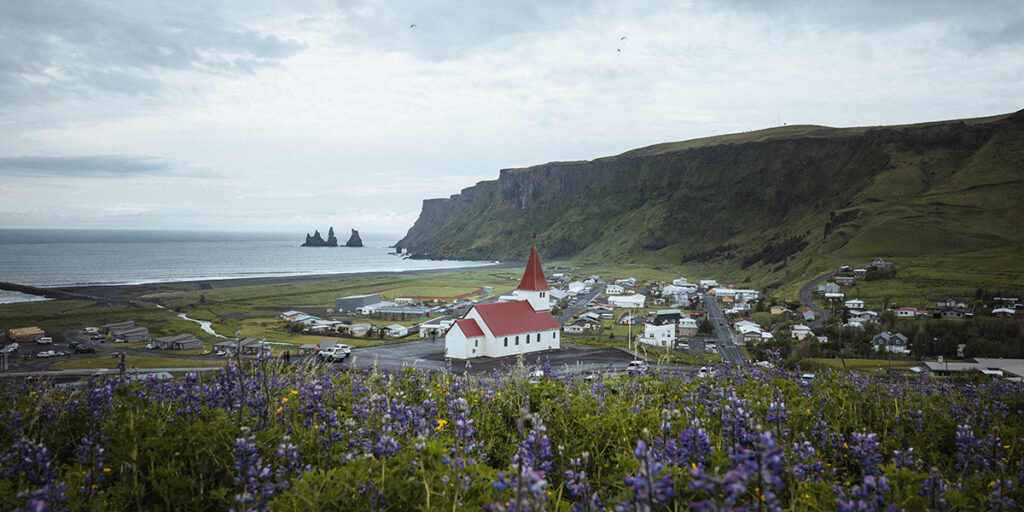
Few places showcase Iceland’s dramatic beauty quite like Vík, where volcanic landscapes meet the wild North Atlantic.

Iceland Is Still Writing Its Story


Seee Related Articles
Snæfellsnes Peninsula in West Iceland often called Iceland in Miniature

Snæfellsnes Peninsula in One Day: Why It’s Called Iceland in Miniature

The Snæfellsnes Peninsula, often called “Iceland in Miniature,” offers an astonishing variety of landscapes packed into one unforgettable journey. Glaciers, volcanoes, black sand beaches, lava fields, dramatic sea cliffs, charming fishing villages, waterfalls and even curious seals can all be experienced in a single day.

Why Is Snæfellsnes Called Iceland in Miniature?

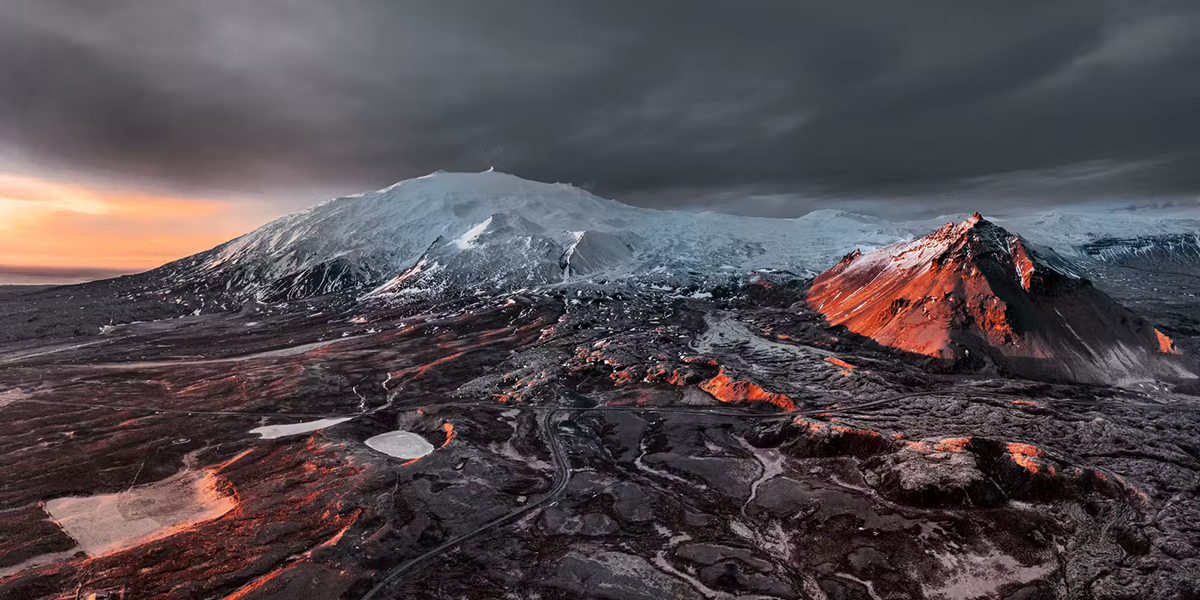
Snæfellsjökull glacier overlooking lava fields on the Snæfellsnes Peninsula
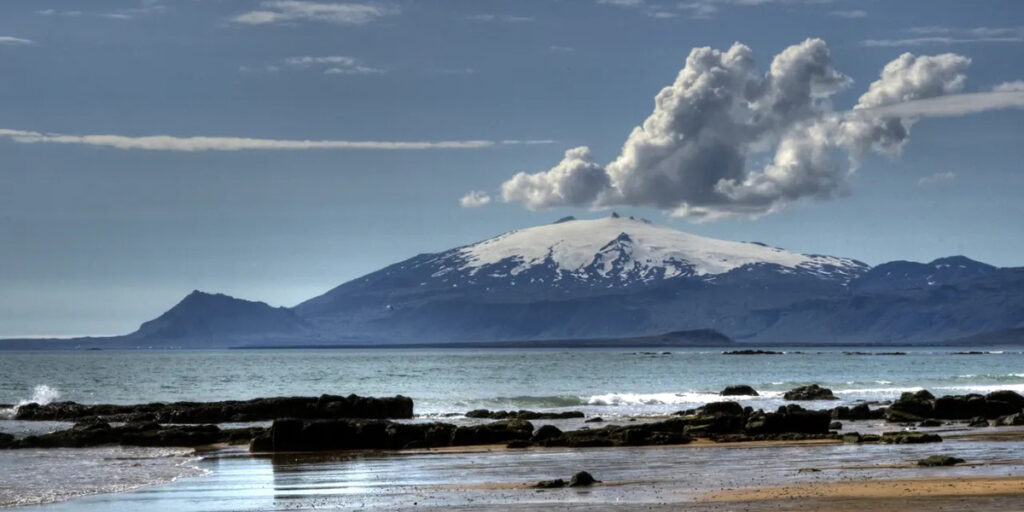
The glacier-capped Snæfellsjökull volcano is one of Iceland’s most iconic natural landmarks and the heart of Snæfellsnes National Park. Photo: perlan.is

Is Snæfellsnes Worth Visiting?

How Far Is Snæfellsnes from Reykjavik?

One look at the Peninsula makes you feel like stepping into a different world!

What Awaits You on the Snæfellsnes Peninsula?

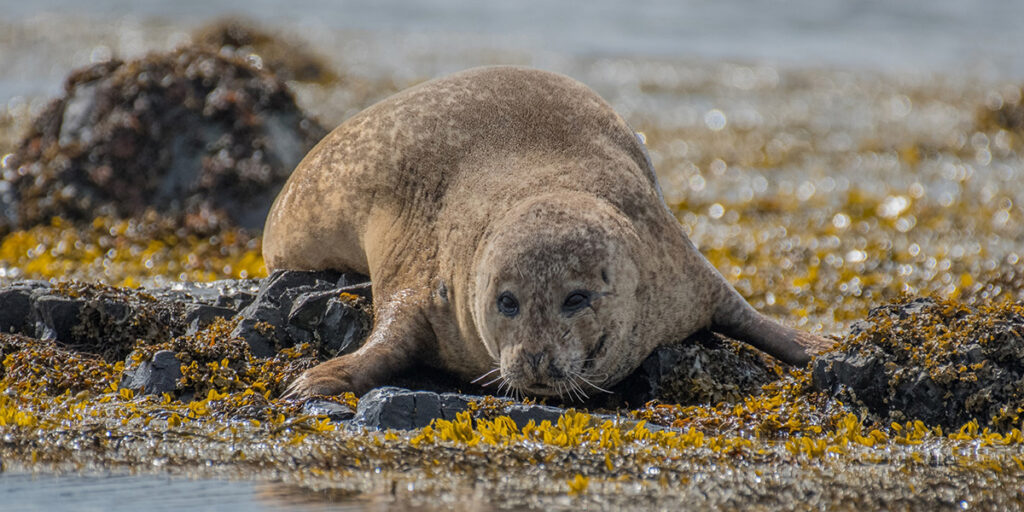
A seal lying on golden sands of Ytri Tunga Beach on the Snæfellsnes Peninsula in West Iceland
Unlike Iceland’s famous black sand beaches, Ytri Tunga is known for its golden shoreline, peaceful atmosphere and frequent seal sightings.

Ytri Tunga – Iceland’s Most Charming Welcome Committee

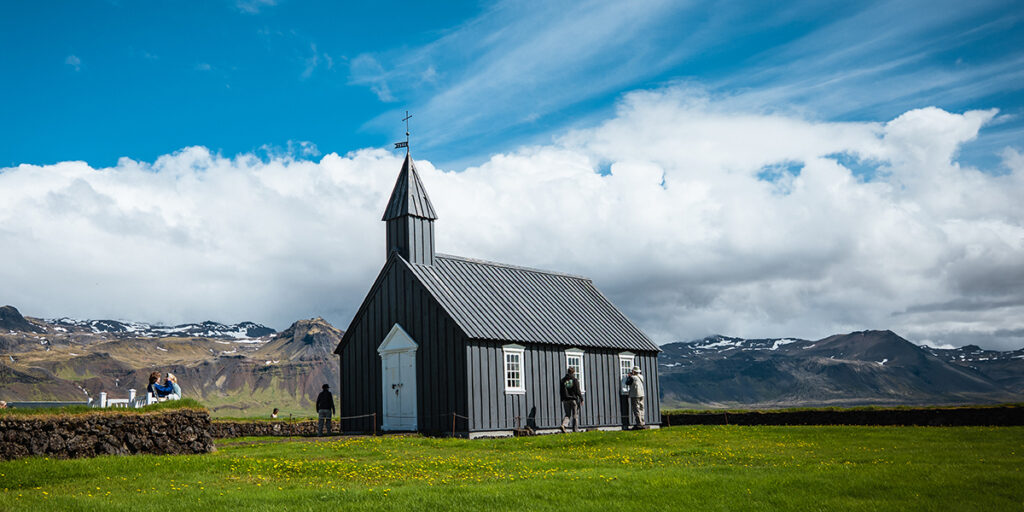
Búðir Black Church – Simplicity at Its Most Beautiful

Búðakirkja is one of Iceland’s most photographed churches thanks to its striking location between lava fields, mountains and the Atlantic Ocean.

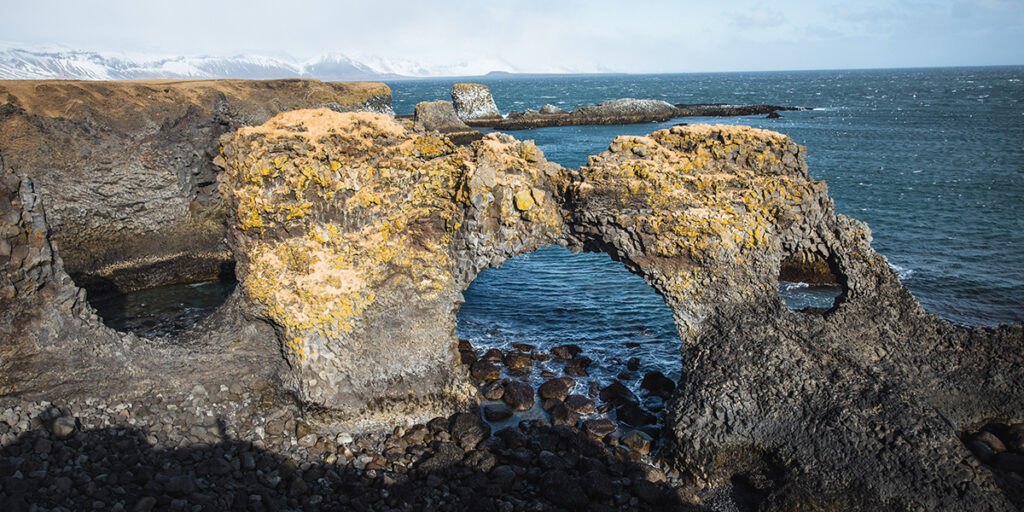
Arnarstapi – Where Iceland Meets the Atlantic

Every stop around Arnarstapi reveals a different side of the Snæfellsnes Peninsula, where volcanic landscapes, rugged mountains and everyday Icelandic life come together.

Djúpalónssandur – A Beach Shaped by Volcanoes

Djúpalónssandur black pebble beach in Snæfellsjökull National Park
Djúpalónssandur is famous for its smooth volcanic pebbles, dramatic lava formations and historic Fishermen’s Lifting Stones.

Snæfellsjökull – The Glacier That Inspired a Journey to the Centre of the Earth

Visible across much of the peninsula, Snæfellsjökull has inspired explorers, artists and Jules Verne’s Journey to the Centre of the Earth. Photo: west.is

Kirkjufell – Iceland’s Most Photographed Mountain

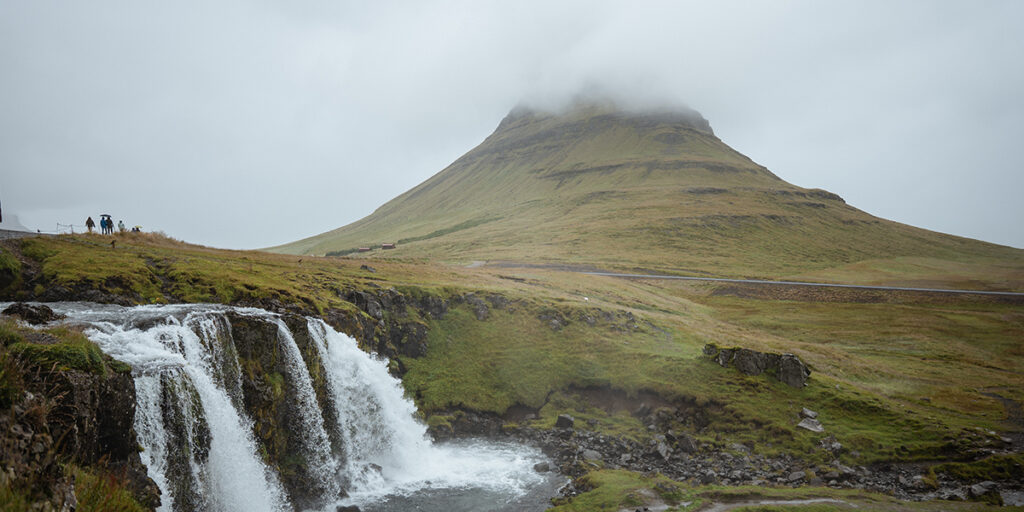
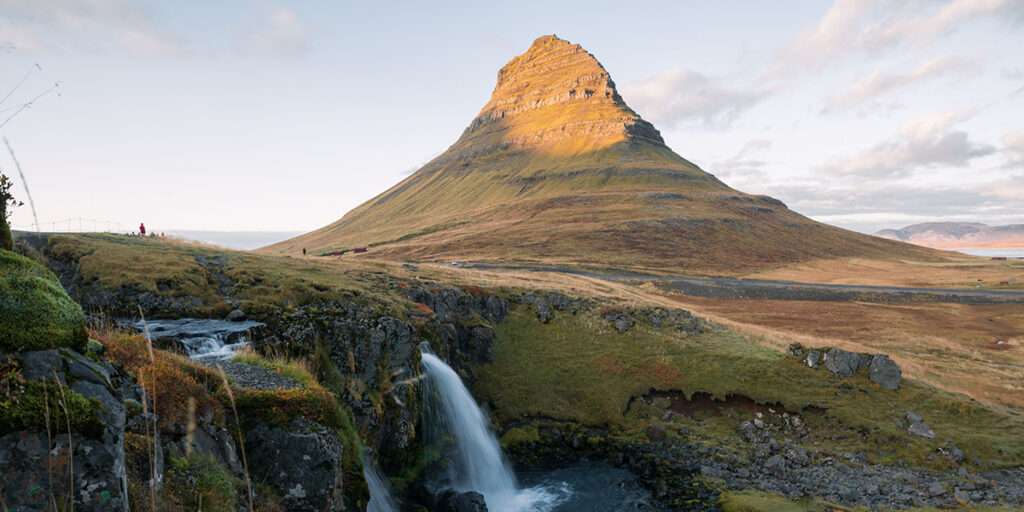
Kirkjufell is one of Iceland’s most photographed mountains and an unforgettable stop during the Snæfellsnes Peninsula tour.

More Than Just the Stops Along the Way

Icelandic Roamers Defender on a private Snæfellsnes Peninsula tour
Explore Snæfellsnes at your own pace with Icelandic Roamers’ private guided tours.
The Best Way to Visit the Snæfellsnes Peninsula

So… Is One Day in Iceland  Enough?

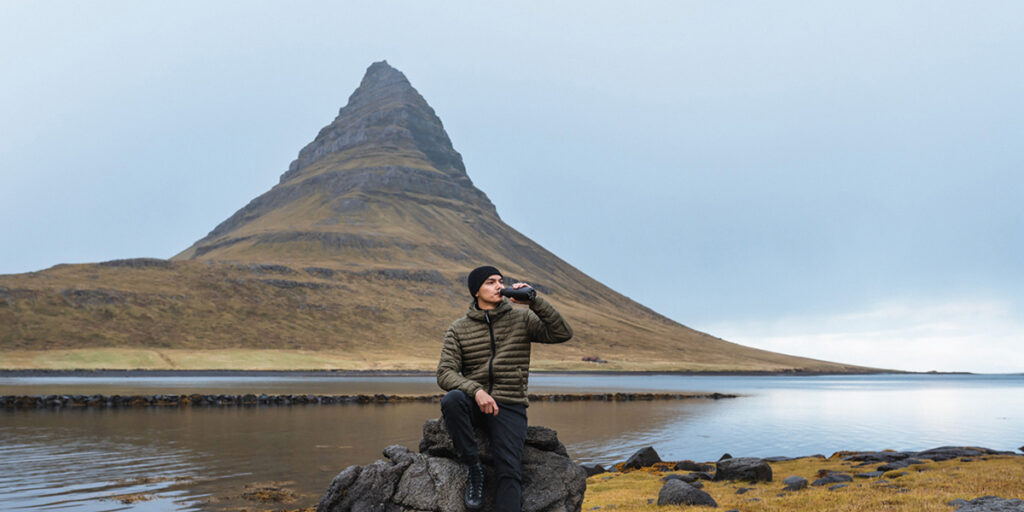
A thirsty traveller drinking water on a stop near Kirkjufell mountain

Golden Circle vs South Coast: Which Tour Is Best for Your First Trip to Iceland?

Should I choose the Golden Circle or the South Coast?

While some focus on Iceland’s geological story and some of its most iconic landmarks, most visitors want to witness the trademark dramatic scenery, walk around famous waterfalls, admire majestic glaciers and black sand beaches. Though astounding views can be found around almost every corner, it’s still not easy to decide where to begin your Icelandic adventure.

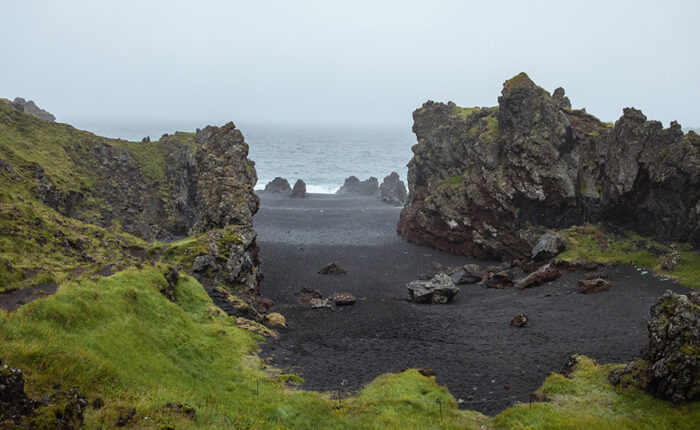
Iceland astonishes with its landscapes – no matter which direction you go!

What Is the Golden Circle?

If Iceland has been on your travel bucket list, you’ve most likely already come across this name. No wonder – the Golden Circle is Iceland’s most famous sightseeing route and often serves as an introduction to the country for first-time visitors. Despite its popularity, it’s easy to understand why it became a classic. It’s also one of the best tours for visitors staying in Reykjavik.
Within a relatively short drive from Iceland’s capital, you’ll experience three places that helped shape Iceland’s history, identity and relationship with nature:

Þingvellir — where two continents slowly drift apart.
  • Þingvellir National Park
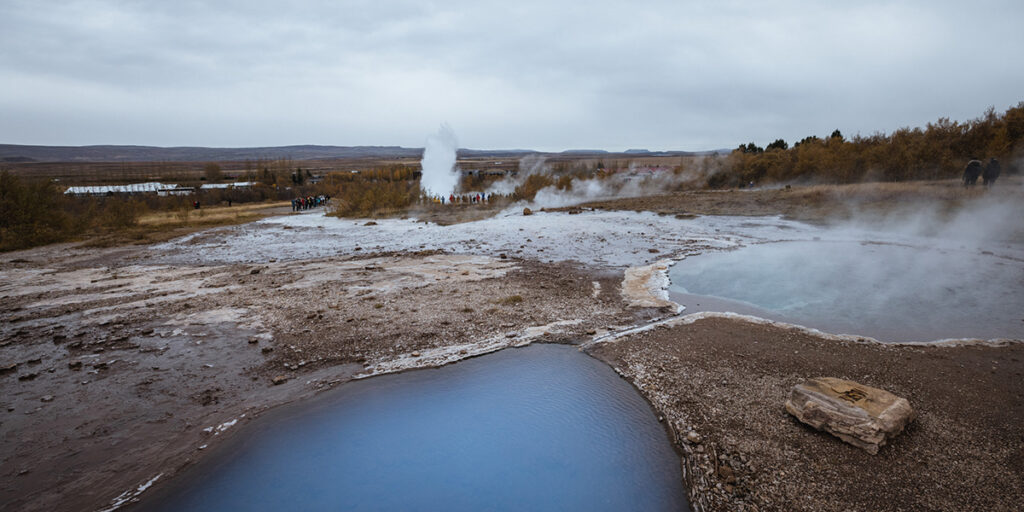
  • Geysir Geothermal Area
  • Gullfoss Waterfall

These stops may look very different from one another, but together they tell the story of Iceland itself. The Golden Circle is often the best choice if you want not only to see Iceland, but to understand, what really makes the Land of Fire and Ice so unique.

Gullfoss — raw glacial power in motion.

Recommended for:

  • First-time visitors
  • Cruise passengers
  • Layovers
  • Families
  • Travelers short on time

What Is the South Coast?

If the Golden Circle tells Iceland’s story, the South Coast shows off its dramatic side.
This is the Iceland many travelers imagine before they arrive.

South Coast introduces you to Iceland in its cinematic best.

Recommended for:

  • Photographers
  • Nature lovers
  • Adventure seekers
  • Couples looking for a romantic getaway
  • Travelers wanting Iceland’s most iconic scenery

Golden Circle vs South Coast: Quick Comparison

Which Tour Is Better for First-Time Visitors in Iceland?

This might sound frustrating – but there really isn’t a universal answer. We’ve guided travelers who absolutely loved the Golden Circle and others who spent weeks talking about Reynisfjara after returning home.

So instead of looking for opinions, we encourage you to ask yourself a few questions first, then decide based on your own expectations.
Choose the Golden Circle if…

  • you want to understand Iceland’s geology and history
  • you prefer shorter driving distances
  • you’re traveling with young children
  • this is your very first day in Iceland

Choose the South Coast if…

  • you’re dreaming of dramatic landscapes
  • waterfalls are high on your wish list
  • photography is important to you
  • you’ve seen Iceland photos online and want to visit those places
  • you’re looking for a more immersive nature experience

It’s a tough choice, but don’t stress too much about making the “right” one. We’re certain you’ll enjoy either option just as much, and both will only whet your appetite for more of Iceland.
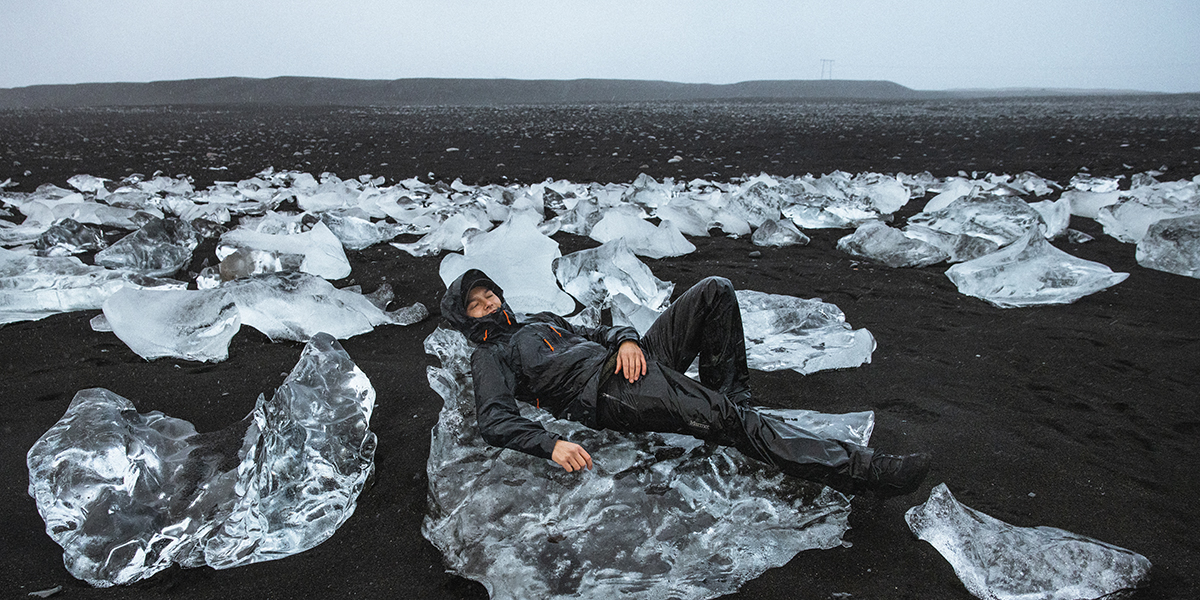
Exploring Iceland is indeed incredible – with the right crew!

What About Photography?

For all those seeking picture-perfect moments, we’d say this is where the South Coast often has a slight advantage.

While the Golden Circle offers fantastic photo opportunities, the South Coast tends to deliver a greater variety of dramatic landscapes throughout the day. You’ll encounter waterfalls, sea stacks, black sand beaches, glaciers and rugged coastlines – often within just a few hours. And great photography isn’t only about locations, but also about timing.

That said, one of the advantages of traveling with a private guide is flexibility. If the light is particularly beautiful, a waterfall is unexpectedly quiet, or the weather suddenly creates perfect conditions, it’s easy to adapt to the day and make the most of the moment.

Why Many Travelers End Up Loving Private Tours

One thing we hear surprisingly often is: “I didn’t realize how much easier this would be with a local guide.”

Iceland is relatively easy to explore independently, but having local insight changes the experience in ways that aren’t always obvious beforehand. Instead of focusing on navigation, weather conditions, parking and logistics, you simply enjoy the journey.

Some travelers want a relaxed pace with longer stops and fewer locations. Others prefer to make the most of every hour and fit as much as possible into the day. Both approaches are completely valid – and that’s exactly why we tailor the experience to the people traveling with us.

Every private tour is tailored to the people travelling with us.

Can’t Decide? Combine Both

Many visitors don’t actually choose – they just do both! And honestly, that’s often the ideal solution, especially if you have more time to spend. The Golden Circle and the South Coast complement each other surprisingly well.

One introduces you to Iceland’s geological and cultural foundations. The other reveals the dramatic landscapes that made Iceland famous around the world. Together, they create a much more complete picture of the country. They are best experienced as part of a multi-day tour.

If you have two or more days available, combining both routes is often one of the best ways to experience Iceland for the first time.

Frequently Asked Questions

Is the Golden Circle worth it?
Absolutely. Despite being Iceland’s most famous route, it remains one of the best introductions to the country’s geology, history and natural forces.

Is the South Coast better than the Golden Circle?
Not necessarily. The South Coast offers more dramatic scenery, while the Golden Circle provides a broader understanding of Iceland’s history and geology.

Can I do both the Golden Circle and the South Coast?
Yes. Many travelers combine them across two days or as part of a longer itinerary.

So, Golden Circle or South Coast?

The final answer depends on what excites you most.

Do you want to be amazed by the geological and cultural heart of Iceland? Choose the Golden Circle. Do you want dramatic, cinematic landscapes? Choose the South Coast.

Whichever route you choose, you’re not deciding between a good experience and a great one. You’re simply choosing between two different sides of Iceland – each unforgettable in its own way.

And if you have the time, our advice is simple: experience both.

Because while the routes are different, they share one thing in common:

They both have a habit of making visitors start planning their return trip before the first one is even over.

See you in Iceland! 🇮🇸

How Many Days in Iceland? How to plan the Perfect Trip: Your Local Guide

Iceland always feels bigger than it looks on the map.

🕒 1 Day

Golden Circle

Perfect for cruise passengers, stopovers and short visits.

🕒 2–3 Days

Reykjavik + Golden Circle + South Coast

A well-rounded introduction to Iceland.

🕒 4–5 Days

South Coast to Jökulsárlón

The sweet spot for most first-time visitors.

🕒 7 Days

Multi-region Iceland

A deeper journey through several parts of the country.

The South Coast is one of Iceland’s most rewarding and accessible regions.

By the time you reach Jökulsárlón, you’ll have experienced many of the landscapes that make Iceland famous around the world, from powerful waterfalls and volcanic coastlines to floating icebergs and glacial lagoons.

Jökulsárlón is often the moment travelers realize how unique Iceland really is.
Snæfellsnes is often called “Iceland in miniature”.
Ben & Gab, CC BY 2.0 <https://creativecommons.org/licenses/by/2.0>, via Wikimedia Commons
A week in Iceland connects multiple regions into one journey.

Whether you’re visiting Iceland for a weekend getaway, a 7-day adventure, or an extended journey around the island, we’re happy to help create an experience that matches your travel style and interests.

No matter how long you stay, Iceland always leaves you wanting more.
Ölfusárbrú in Selfoss, built in 1945, a major crossing on the southern part of Route 1.
Photo by: Olga Ernst

Perhaps that’s the best answer we can give: don’t focus on seeing everything. Focus on making the most of the time you have.

The Sound of Iceland: Björk, Eurovision & Unique Music Inspired by Nature

Icelandic landscapes featured in Björk videos
Visiting Icelandic shores feels like stepping into Björk’s visual universe.
Sigur Rós performing at Harpa Concert Hall in Reykjavík Iceland
Dramatic Reykjanes coastline connected to Björk visuals
Raw coastlines and rugged landscapes became part of Björk’s visual storytelling.
Kaleo’s music feels like “Moulded by nature” indeed!
Iceland’s Highlands feel cinematic enough to become a soundtrack of their own.
In Iceland is a place inspiration comes straight from nature…and awaits at every corner!
Kerið Crater once witnesses Björk’s concert – and you can witness its beauty with Icelandic Roamers!

LGBTQ couple exploring Reynisfjara black sand beach in Iceland

Why Iceland Feels Different for LGBTQ+ Travelers (In the Best Possible Way)

Gay couple standing in snowy landscape.
Travel in Iceland often feels calm, personal, and refreshingly uncomplicated.

Beyond Reykjavik, Iceland Becomes Something Else Entirely

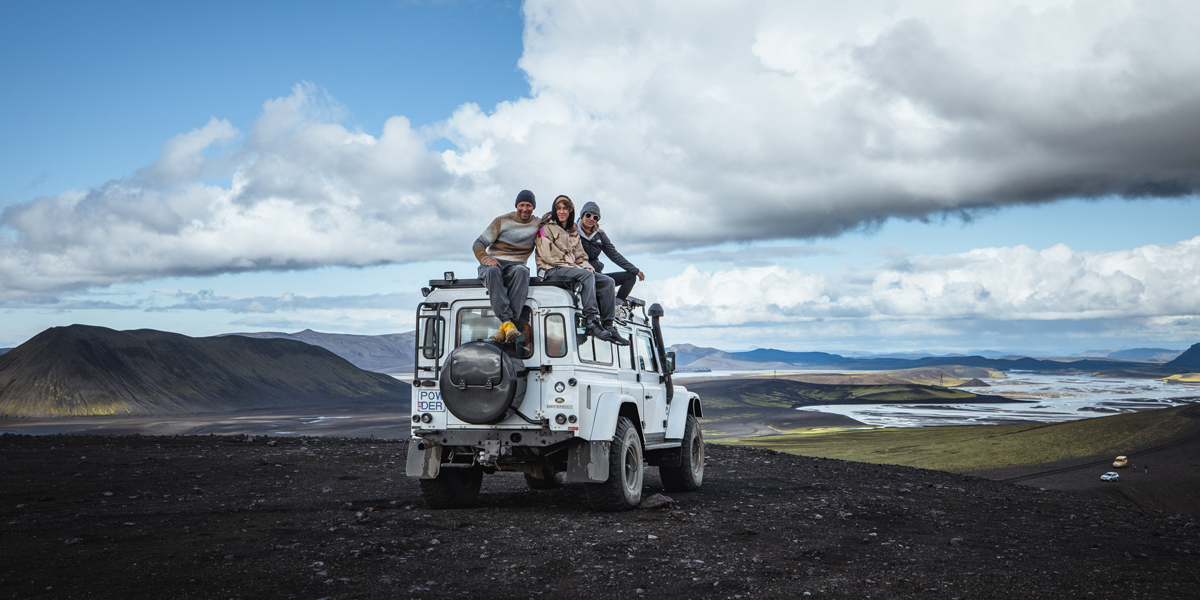
Two women on a jeep parked in scenic Icelandic landscape.
The further you travel into Icelandic nature, the more the outside world seems to disappear.

Why Iceland Has Become a Dream Destination for Surprise Engagements

The Luxury of Feeling Comfortable

 The best travel experiences are often the ones where you feel completely comfortable being yourself.

A Destination That Stays With You

Some places stay with you not because of what you saw, but because of how they made you feel.

Solar Eclipse in Iceland 2026: Best Places to Watch, Bjork’s Echolalia and Unique Tours

A solar eclipse changes more than the sky. It changes the feeling of the whole landscape.
Wide horizons and dramatic coastline make Snæfellsnes one of the best places to watch the eclipse.
A total solar eclipse
Iceland is one of the few countries that will lie in the path of totality during the 2026 solar eclipse.
In Iceland, even a sky event can become part of something larger — music, art and celebration.
Couple standing on rocky coastline
Bjork fans have already seen Iceland — often without even realizing it.
The eclipse may be the reason you come. The rest of Iceland is the reason you will want to stay.
Some journeys are built around a single moment. The best ones become much more than that.

Reykjavik cruise port with ship docked and colorful city skyline

Cruising Iceland: Best Private Shore Excursions from Reykjavik Port

Skip the crowded bus lines. Start your Iceland adventure the moment you step off the ship.
Cruise ships docked at Reykjavik cruise terminal in Iceland
Reykjavik is one of the easiest cruise ports in Iceland. No long transfers, just instant access to adventure.
Gullfoss waterfall on the Golden Circle route Iceland
The Golden Circle—iconic, powerful, and even better when you experience it away from the crowds.
black sand beach in Iceland
Walk behind waterfalls, stand on black sand beaches, and experience Iceland at its most cinematic.
Misty landscape with river and hills.
Lunar landscapes, steaming geothermal fields, and the perfect place to unwind between adventures.
Colorful street with church in background
Reykjavik is compact, creative, and perfect for exploring on foot.
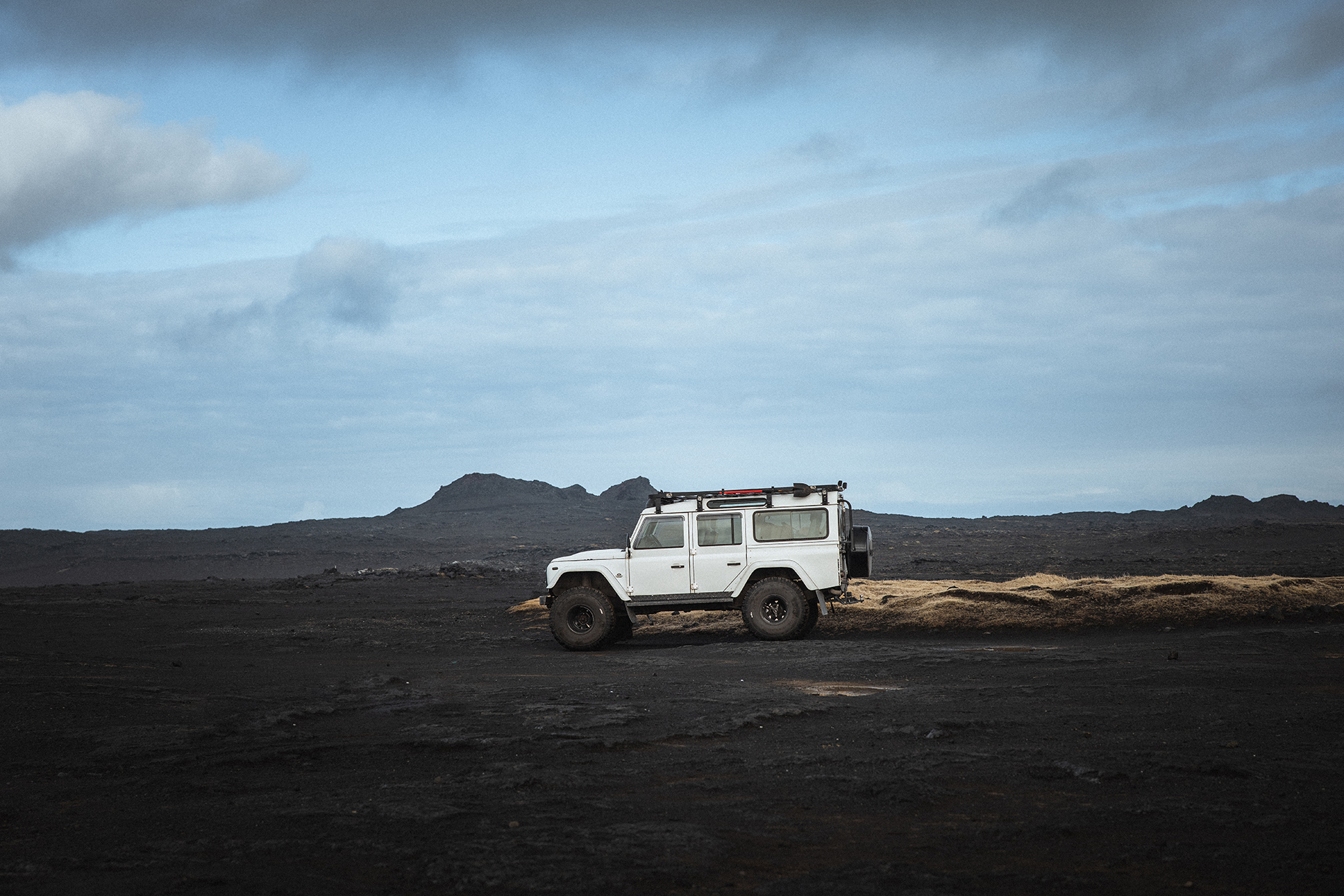
Super jeep driving through Icelandic landscape on private tour
Go beyond the main roads and experience Iceland in a way most travelers never do.
Travelers enjoying a private guided tour in Iceland landscape
Travel at your own pace, skip the crowds, and never worry about making it back to your ship on time.
One stop, endless possibilities – Reykjavik is just the beginning of your Iceland adventure.

strokkur geyser eruption golden circle iceland

How Travel Agencies Can Plan the Perfect Iceland Itinerary: Why a Local Expert (DMC) is Your Secret Weapon

Jeep crossing river in highlands
Navigating Iceland’s rugged terrain requires local expertise and the right vehicle—luckily, we have both.
Give your clients the gift of solitude in Iceland’s most popular destinations.
Your boots on the ground: Our local team handles the logistics so you can focus on your clients.
Trends meet safety: Our Super Jeeps unlock the Highlands without the risk.

stranger things in Iceland

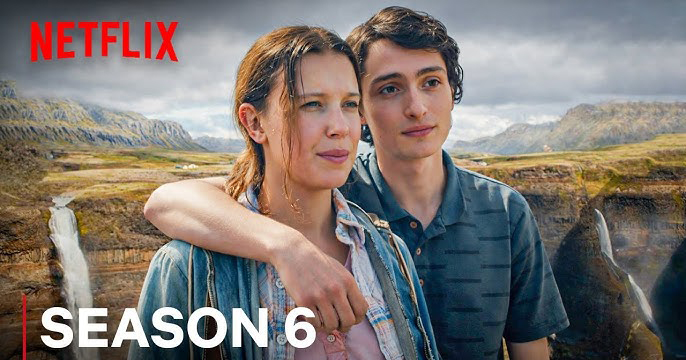
Eleven’s Escape: How to Visit the Stunning Stranger Things Finale Location in Iceland

Stranger Things season 5 Finale Trailer.
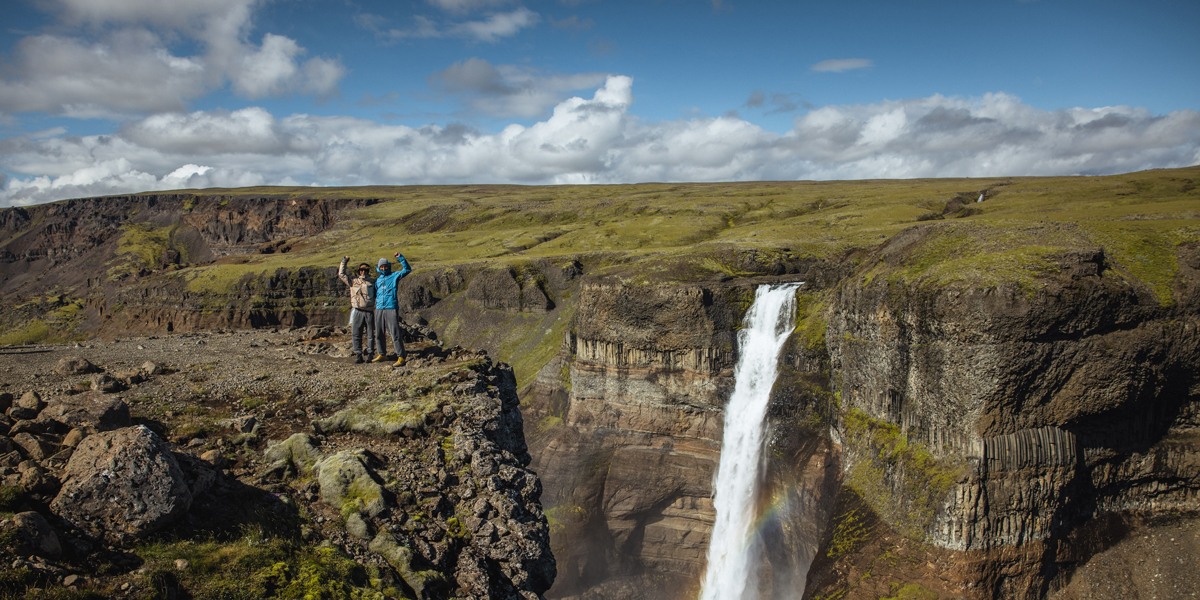
Hjálparfoss waterfall
Couple at scenic waterfall location.
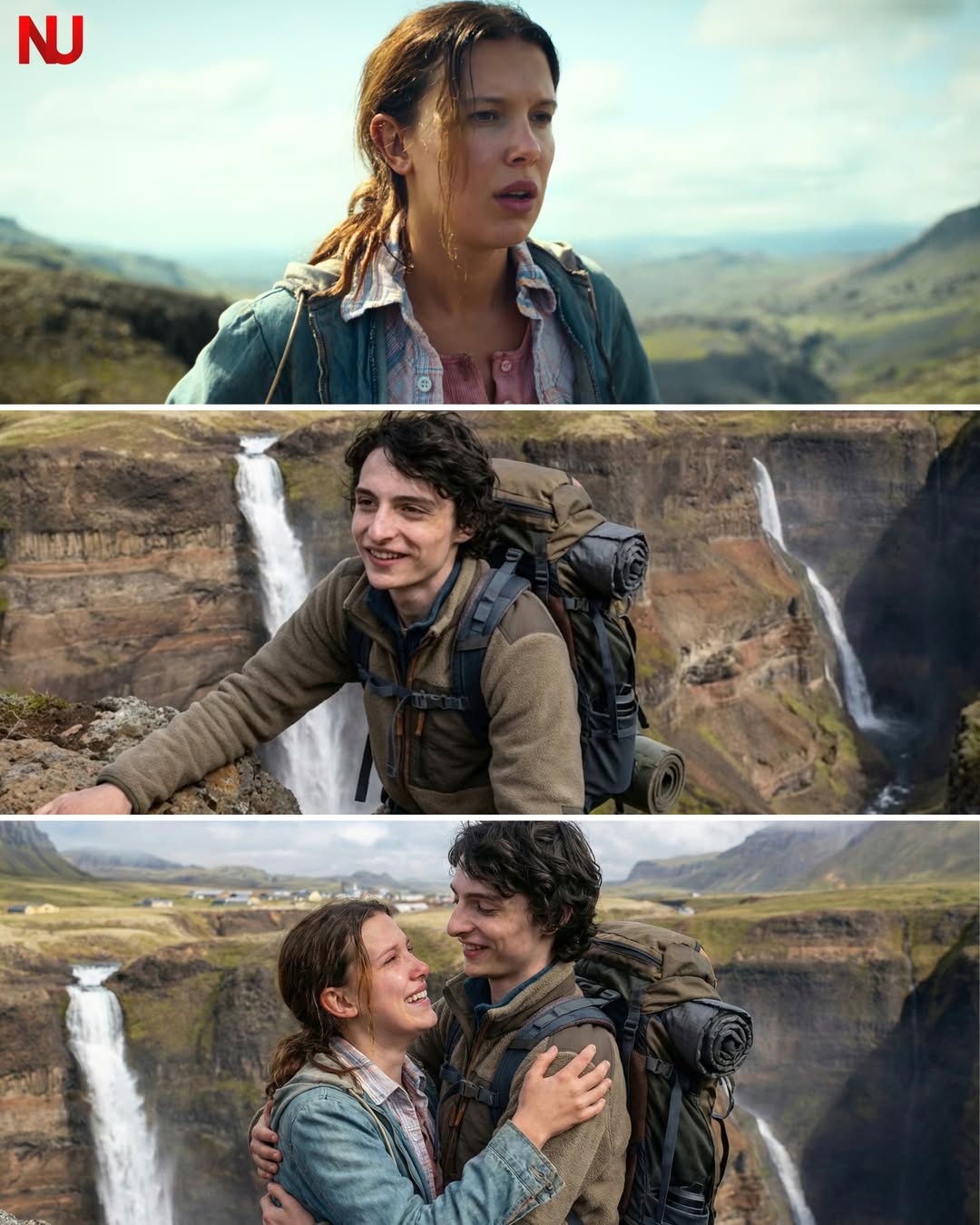
Eleven (Millie Bobby Brown) and  Mike (Finn Wolfhard) in Netflix’s Stranger Things Season Finale Episode “Chapter Eight: The Rightside Up”.
The rugged beauty of the Icelandic Highlands—adventure awaits!
Memories you can keep forever—photoshoot included with every trip!
Háifoss waterfall from the ground perspective

Iceland in Summertime: Why Now is the Time to Visit and How to Explore it Best!

Why Summertime is a Magical Time to Visit Iceland:

Photo by Michael Blum.
  • Pleasant(ish) Weather: While Icelandic weather is always unpredictable, summertime generally offers milder temperatures and less rainfall compared to other seasons.

Unmissable Activities in Iceland in Summertime:

  • Camp Under the Midnight Sun: With milder temperatures, summer is the perfect time for camping. Whether you prefer a tent or a campervan, experiencing Iceland’s nature up close is an incredible experience. Remember to camp responsibly and only camp in designated areas or with landowner permission.
Midnight Sun in Iceland, time lapse video by: Petr Podroužek
  • Go Whale Watching: Head to Husavik or Reykjavik for a whale watching tour. Seeing these gentle giants in their natural habitat is an awe-inspiring experience.
  • Puffin Watching: Visit Dyrhólaey or the Westman Islands to observe puffins in their nesting colonies.

Delving Deeper: Discovering the Icelandic Highlands

Planning Your Summertime Trip to Iceland: Essential Tips:

Conclusion: Your Icelandic Summer Awaits!

a town with a mountain in the background

Embrace the Magic: Discover Icelandic Christmas Traditions and Yule Lads

a city with snow covered buildings and a lake
The centre of Reykjavik showing Lake Tjornin and in the distance, Hallgrímskirkja church towers. Photo: Óli Haukur Mýrdal

How is Christmas Celebrated in Iceland? A Festive Tapestry.

https://youtu.be/3m6bqVn2Ses?si=xqIVFBbekvCG9jDs

Gift Giving: While gift-giving takes place on Christmas Day, the pre-Christmas atmosphere is electric with excitement. One of the unique Icelandic traditions enhancing this festive spirit is Jólabókaflóð, or the “Yule Book Flood,” where books are exchanged on Christmas Eve, creating a cozy night of reading and enjoyment.

Jolabokaflod, the Icelandic Christmas Eve tradition of book giving.

What are the 13 Santa Clauses in Iceland? More Than Just Gifts.

Each Yule Lad has a distinct personality and is known for his mischievous ways.
Graphic – Icelandair

Is December a good time to visit Iceland? Absolutely!

A christmas tree outside Reykjavik Cathedral.
a city with buildings and lights
Christmas Markets have already arrived in downtown Reykjavik.
Witnessing aurora borealis is the best way to spend Christmas in Iceland!

All you want for Christmas… is a tour!

Unveil Iceland’s Waterfalls: Famous Filming Spots and Hidden Gems You Can Visit

Haifoss waterfall, photo by Miroslaw Tran.
Skógafoss, photo by Miroslaw Tran.
Gljúfrabúi, photo by Miroslaw Tran.
Amazing waterfalls in Iceland captured by Filip Kulisev.
The famours Kirkjufell mountain and Kirkjufellsfoss waterfall.
Bruarfoss Waterfall in winter, photo by Diana Robinson.
Hjálparfoss: double waterfall. Photo by Miroslaw Tran.
The stunning Skógafoss, photo by Miroslaw Tran.
Looks like a dream spot for a romantic couple photoshoot! Photo by Miroslaw Tran.

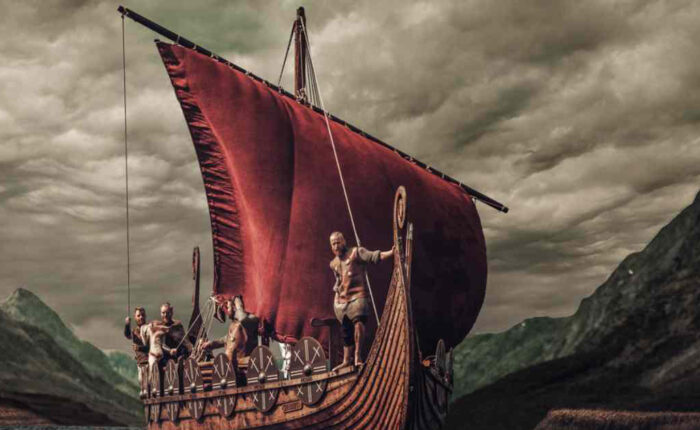
From Viking Heroes to Hidden Legends: The Ultimate Iceland Saga Tour Guide

The Legendary Topography of the Viking Settlement of Iceland by Verena Höfig
Þingvellir National Park, photo by Miroslaw Tran.
Snæfellsjökull National Park in the summer, photo by Miroslaw Tran.
Drangey an island in Iceland, photo by Bromr.
Thor’s Fight with the Giants by M.E. Winge, 1872
Making of Sagamuseum in Reykjavik.
Shot from The Vikings series at Dyrhólaey Black Sand Beach.

Thor’s Iceland: Uncover the Secrets of Norse Mythology in the Land of Fire and Ice

View of Thingvellir National Park. Photo by Miroslaw Tran.
Australian actor Chris Hemsworth in and as “Thor”.
Posters of MCU movies featuring Thor.
View of Aurora Borealis in Thorsmork, Iceland. Photo by Jonatan Pie.
Behind the scenes footage from “Thor 2: The Dark World” movie shot in Iceland
View of Thorsmork Valley. Photo by Miroslaw Tran.

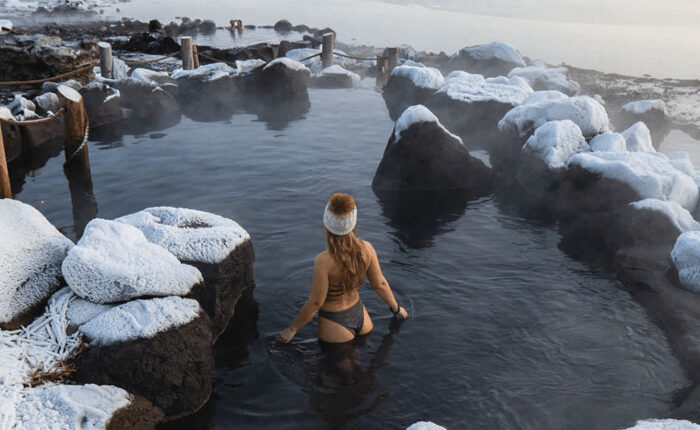
The Ultimate Guide to Iceland’s Natural Hot Springs and Geothermal Pools

Practical Tips: We recommend visiting during the quieter times for a more tranquil experience. Don’t forget to indulge in a silica mud mask while you’re at it!

Photo credit: Blue Lagoon
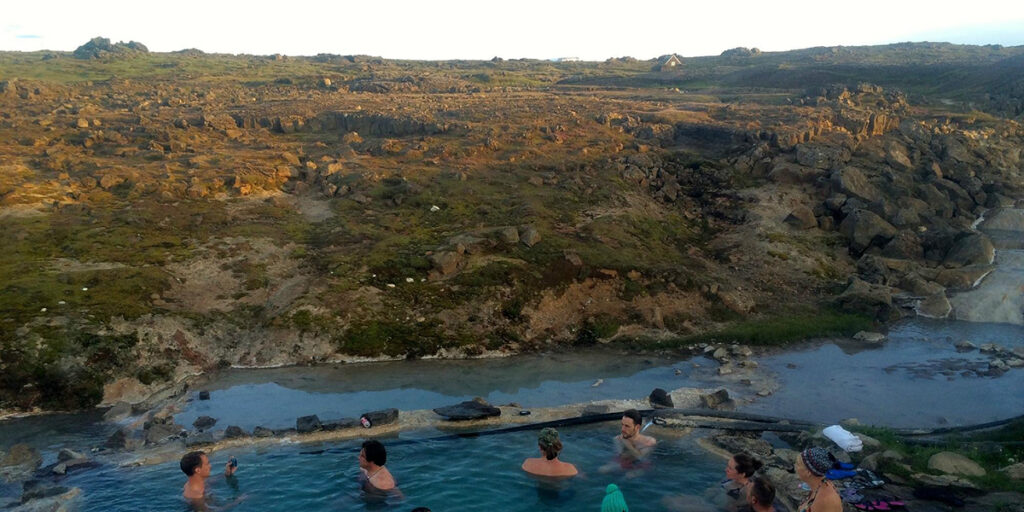
Hvammsvík geothermal pools in Iceland, photo by Miroslaw Tran from Icelandic Roamers
Photo: skylagoon.com
Photo: Miroslaw Tran

Photo: Regína Hrönn

Discover Iceland’s Unique Wildlife: From Puffins to Arctic Foxes

The Arctic Fox: Iceland’s Native Survivor

Reindeer in Iceland

Whale Watching Adventures

Iceland’s Diverse Birdlife

Seals and Other Marine Life

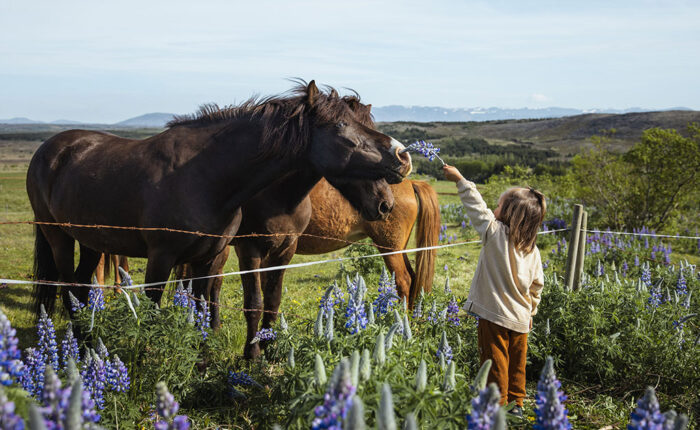
Icelandic Horses: Majestic and Unique

Common Plants in Iceland: Icelandic Flora

Icelandic Moss: A Natural Wonder

Conclusion

Plan Your Visit

Essential Things to Pack for Iceland: A Complete Seasonal Packing Guide for Every Traveler

Björn Bragi and his amusing approach towards Icelandic weather.
Fot. Miroslaw Tran

Summer in Iceland is a time of vibrant landscapes and endless daylight.  Here’s what you need to pack:

  1. Layered Clothing System (Base, Mid, Outer): Think moisture-wicking base layers, insulating mid-layers, and waterproof outer layers.
  2. Waterproof Hiking Pants: Essential for keeping dry during those spontaneous waterfall visits.
  3. Sturdy Hiking Boots: Comfortable and waterproof for tackling rugged terrain.
  4. Lightweight Hat and Gloves: Even in summer, the weather can be chilly.
  5. Swimwear: Don’t miss out on Iceland’s geothermal pools and hot springs.
  6. Casual Wear: For evenings out in Reykjavik or relaxing at your accommodation.
  7. Daypack: Handy for carrying essentials during day trips.
  8. Reusable Water Bottle: Iceland’s tap water is some of the purest in the world and possible to refill almost anywhere
  9. Reusable Water Bottle: Iceland’s tap water is some of the purest in the world and possible to refill almost anywhere
  10. Sunglasses and Sunscreen: Protect yourself from the strong summer sun.
  11. Camera: Capture the stunning landscapes and unique wildlife.
  12. Power Bank: Keep your devices charged, especially useful for remote areas.
Fot. Miroslaw Tran
  1. Layered Clothing System (Thermal Base, Heavy Mid, Insulated Outer): To keep warm and dry.
  2. Thermal Leggings and Waterproof Pants: Essential for staying warm in sub-zero temperatures.
  3. Insulated Waterproof Boots: To keep your feet warm and dry during snowy adventures.
  4. Warm Hat, Thick Gloves, Thermal Buff: Protect your extremities from the cold.
  5. Warm Socks: Preferably woolen for extra warmth.
  6. Swimwear: The Blue Lagoon and other geothermal pools are even more magical in winter.
  7. Daypack: For carrying extra layers, snacks, and other essentials.
  8. Reusable Water Bottle: Stay hydrated, even in the cold.
  9. Headlamp: Useful for exploring in the dark winter mornings and evenings.
  10. Camera: Capture the beauty of the winter landscapes and the Northern Lights.
  11. Camera: Capture the beauty of the winter landscapes and the Northern Lights.
  12. Power Bank: Batteries drain faster in cold weather, so keep your devices powered up.

Pro tip: squeeze into your hand luggage additional hand and toe warmers – trust us when we say it can be a real lifesaver!

The best time to see the Northern Lights is between September and April. These magical lights are caused by particles from the sun interacting with the Earth’s magnetic field. The result? A spectacular display of colors that can range from green to pink, red, and even purple.

Packing for Iceland video by http://www.inspiredbyiceland.com

The Best Time to See Northern Lights in Iceland: Your Ultimate Guide with Icelandic Roamers

What Are the Northern Lights?

What Month Is Best to See the Northern Lights in Iceland?

How Likely Am I to See the Northern Lights in Iceland?

Seeing the Northern Lights is a matter of being in the right place at the right time. Factors such as solar activity, weather conditions, and light pollution play crucial roles. However, your chances increase significantly with experienced guides who monitor auroral activity and know the best spots for viewing. You may ask yourself whether the Northern Lights are visible every night in Iceland – not really, as they depend on solar activity and weather conditions. However, during the peak season, the chances of seeing them are higher, especially on clear, dark nights.

How Rare Are Northern Lights in Iceland?

While the Northern Lights are not rare in Iceland, catching a good display requires specific conditions. Iceland’s unique location near the Arctic Circle makes it one of the best places in the world to see the Aurora Borealis, but a successful sighting requires dark skies, minimal cloud cover, and high solar activity.

Fun Facts About the Aurora Borealis

How to Spot the Northern Lights?

  • Check the Forecast: Regularly monitor auroral activity forecasts.
  • Find Dark Skies: Move away from city lights to areas with minimal light pollution.
  • Be Patient: Sometimes, the lights can be elusive and might require waiting for a few hours.

Why Choose Icelandic Roamers for Your Northern Lights Adventure?

With Icelandic Roamers, you have an upper hand as we can take you to the best viewing spots aboard our fearless vehicles. Here are some top locations:

The Icelandic Roamers Experience

Conclusion

Exploring Iceland’s Most Famous Volcanoes: A Journey Through Fire and Ice

Author: Miroslaw Tran

Eyjafjallajökull: The Showstopper

Key Facts:

  • Last Eruption: 2010
  • Elevation: 1,651 meters
  • Notable Impact: The 2010 eruption caused the largest air travel disruption since World War II.
Eyjafjallajökull, author: Henrik Thorburn

Key Facts:

  • Last Major Eruption: 1918
  • Elevation: 1,512 meters
  • Notable Impact: Potential to produce catastrophic floods affecting nearby settlements.
Katla, author: Kjartan Guðmundsson, 1918

Hekla: The Gateway to Hell

Key Facts:

  • Last Eruption: 2000
  • Elevation: 1,488 meters
  • Notable Impact: Its historical eruptions have significantly shaped Iceland’s landscape.
Hekla, author: Hansueli Krapf

Nestled under the Vatnajökull glacier, Grímsvötn is Iceland’s most active volcano. Its eruptions are often accompanied by spectacular glacial floods. The 2011 eruption shot ash clouds into the sky, disrupting air travel just like Eyjafjallajökull.

Key Facts:

  • Last Eruption: 2011
  • Elevation: 1,725 meters
  • Notable Impact: Known for producing large jökulhlaups, a type of outburst flood.
Grímsvötn, ash covering glacier 3 months after eruption. author: Henrik Thorburn
Bárðarbunga, author: Egill Aðalsteinsson

Fagradalsfjall: The New Star

Fagradasfjall, author: Bessi Eydal Egilsson

Recent Eruptions and Their Impact

Fagradasfjall, author: Miroslaw Tran
  • Stay Informed: Keep an eye on updates from the Icelandic Met Office.
  • Join Guided Tours: Safety first! Our guided tours ensure you get the best experience without the risks.
  • Respect the Warnings: Heed local advice and avoid restricted zones.
Snaefellsjokull, author Axel Kristinsson 

Have an unforgettable drive along the infamous Eyjafjallajökul, catch a glimpse of the neighboring Katla and witness the dramatic landscapes formed by their eruptions.

Snæfellsnes Peninsula

Our tours are led by experienced guides who provide fascinating insights into Iceland’s geological history. Book with us to safely and thoroughly explore these incredible volcanic sites.

Author: Miroslaw Tran

Conclusion

Capturing Love: The Ultimate Guide to the Best Couple Photoshoot Spots in Iceland

Shah Rukh Khan and Kajol in the “Gerua” song from the movie Dilwale

Black Sand Beaches: Romance Along Iceland’s Dramatic Shores

Þórsmörk: A Hidden Paradise for Couples

Capture Love with Icelandic Roamers: Your Gateway to Romance

Isn’t it time to make your love story a part of Iceland’s rich tapestry?