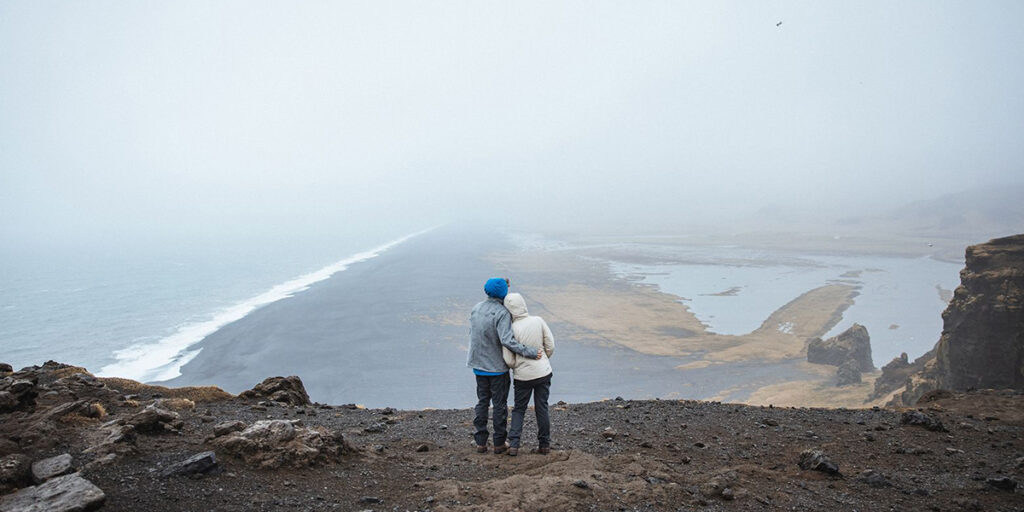

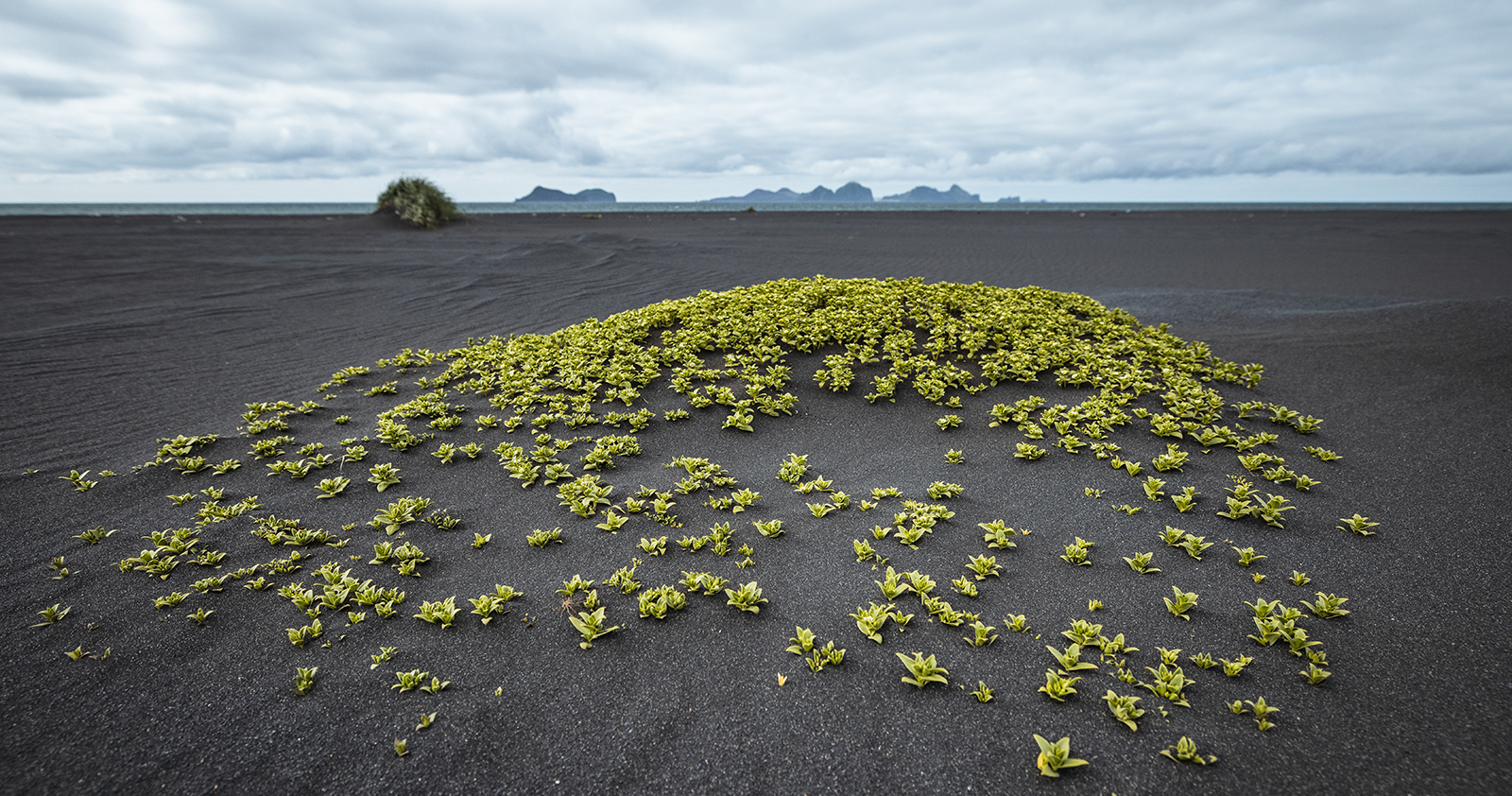
More Than the Land of Fire and Ice
For many travellers, Iceland begins as a dream.
Some come hoping to witness the Northern Lights dancing across the winter sky. Others plan their trip around the Midnight Sun, when daylight seems endless and adventures last well into the evening. More and more visitors are also discovering Iceland as the best place to witness the spectacular 2026 total Solar Eclipse, which will pass directly over one of the country’s most breathtaking regions.
Yet while these extraordinary experiences may inspire people to book their flights, they are only part of what makes Iceland so unforgettable. Because beneath every glacier, every waterfall, every steaming geothermal valley and every black sand beach lies a story that has been millions of years in the making.
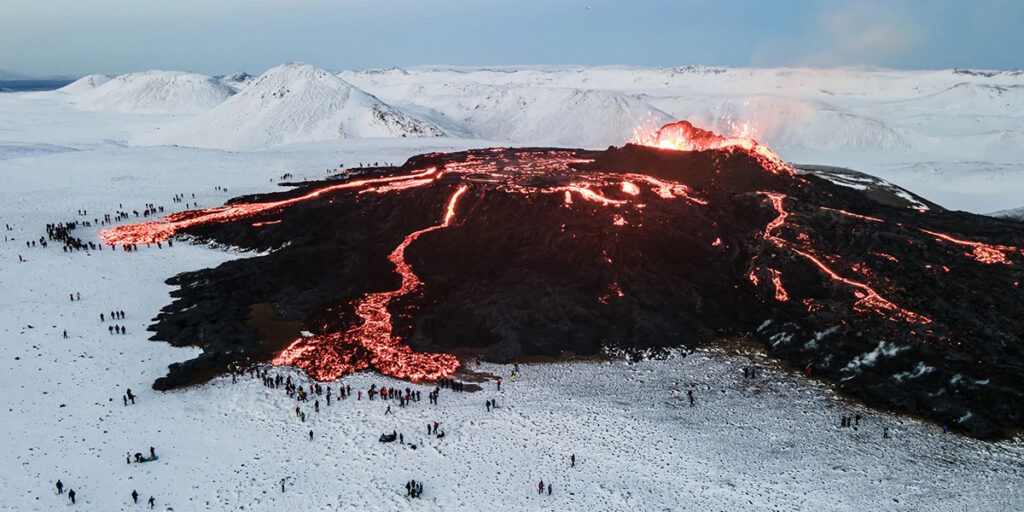
Unlike many destinations where beautiful landscapes are simply admired, Iceland allows you to witness the very forces that continue shaping the Earth today. Volcanoes still create new land. Glaciers carve valleys and mountains. Rivers reshape the landscape with every passing season, while geothermal energy bubbles just beneath the surface.
That’s what makes travelling through Iceland feel so different. You’re not simply looking at nature. You’re watching a living planet at work.
And once you understand how Iceland came to be, every stop along your journey becomes even more fascinating.
A Young Island With an Extraordinary Story
Considering how iconic Iceland has become, many visitors are surprised to learn that, geologically speaking, it’s one of the youngest countries on Earth.
The island only began to emerge around 20 million years ago – remarkably recent compared to many of the world’s mountain ranges, which are hundreds of millions of years old.
Its birth is the result of an exceptionally rare combination of geological events.
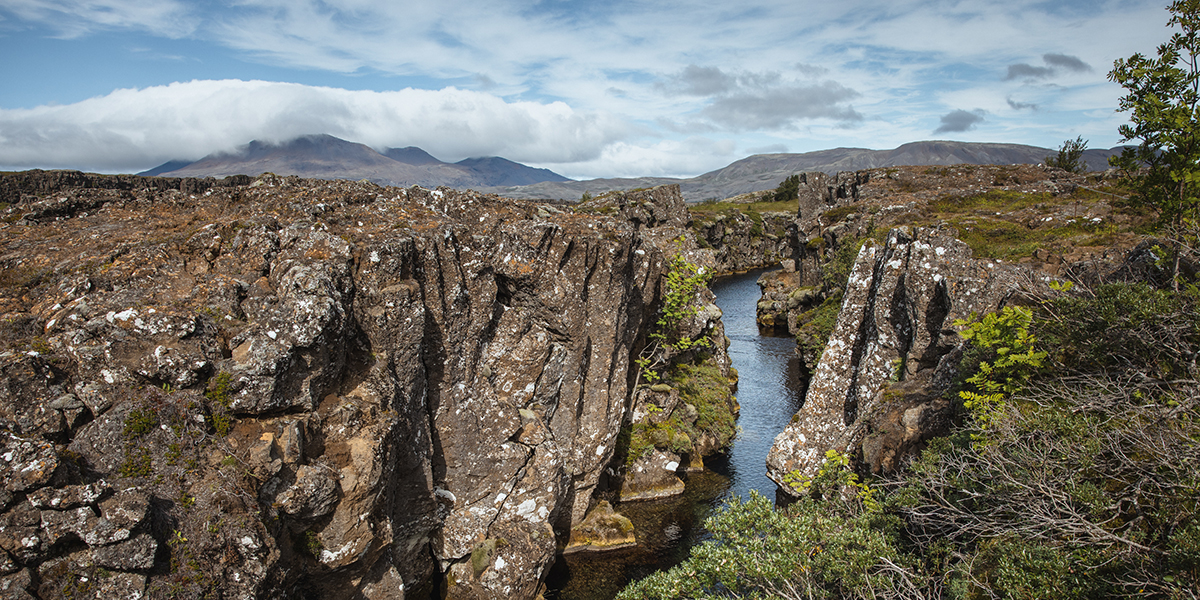
Iceland sits directly on the Mid-Atlantic Ridge, where the North American and Eurasian tectonic plates slowly drift apart by a few centimetres every year. Normally, this enormous underwater mountain range remains hidden beneath the Atlantic Ocean. Iceland is one of the very few places where it rises above sea level, allowing visitors to stand between two continents in a way that’s simply impossible almost anywhere else on the planet.
At the same time, a powerful hotspot deep within the Earth’s mantle continuously pushes molten rock towards the surface. Together, these two forces have spent millions of years building the island layer by layer through countless volcanic eruptions.
In other words, Iceland isn’t just a place shaped by volcanoes.
It’s a country that quite literally owes its existence to them.
One of the best places to experience this story firsthand is Þingvellir National Park, where you can walk through the rift valley separating the two tectonic plates. It’s one of those rare moments when geology stops being an abstract concept and becomes something you can actually see beneath your feet.
Fire Creates. Ice Perfects.
Iceland is often called the Land of Fire and Ice, but the nickname hardly does justice to the relationship between these two powerful forces.
Volcanoes and glaciers don’t simply coexist here.
Together, they’ve created almost every landscape that makes Iceland so famous.
Volcanic eruptions built the island itself, covering it with layers of basaltic lava that still shape much of the terrain today. Then came the glaciers. Over thousands of years, immense rivers of ice slowly carved through mountains, sculpted deep valleys, formed dramatic fjords and created the broad plains that define much of modern Iceland.
When the glaciers melt, their water continues the work.
Powerful rivers flow towards the ocean, cutting through ancient lava fields before plunging over cliffs as spectacular waterfalls. Along the coastline, relentless Atlantic waves gradually grind volcanic rock into the black sand that has become one of Iceland’s most recognisable natural features.
Nothing exists here in isolation.
The waterfalls, beaches, glaciers and mountains are all connected by the same geological story.
Perhaps that’s why travelling across Iceland never feels repetitive. Every destination reveals another chapter of the island’s remarkable evolution.
A Country That Constantly Reinvents Itself
One of the questions we hear surprisingly often from our guests is:
“How can the scenery change so much in just one day?”
It’s a fair question.
Within a relatively short drive, you might leave a geothermal valley surrounded by rising steam, walk across moss-covered lava fields, stand beside a glacier, explore a dramatic black sand beach and finish your day watching waves crash against towering sea cliffs.
Few places on Earth offer such extraordinary diversity within such short distances.
The Golden Circle introduces visitors to Iceland’s geological foundations, where erupting geysers, powerful waterfalls and the famous tectonic rift reveal how the island was formed. Continue along the South Coast and the scenery becomes increasingly dramatic, with glacier tongues stretching towards the ocean, towering waterfalls and volcanic beaches unlike anything most travellers have ever seen.
Head west to the Snæfellsnes Peninsula and you’ll quickly understand why it’s often called Iceland in Miniature. Within a single day, you’ll encounter lava fields, rugged coastlines, picturesque fishing villages, dramatic sea cliffs, volcanic craters, golden beaches and the majestic Snæfellsjökull glacier-volcano watching over it all.
Each region has its own personality.
Each tells a different part of Iceland’s story.
And together, they reveal why this relatively small island offers such astonishing variety.
Where Water Finds Its Way
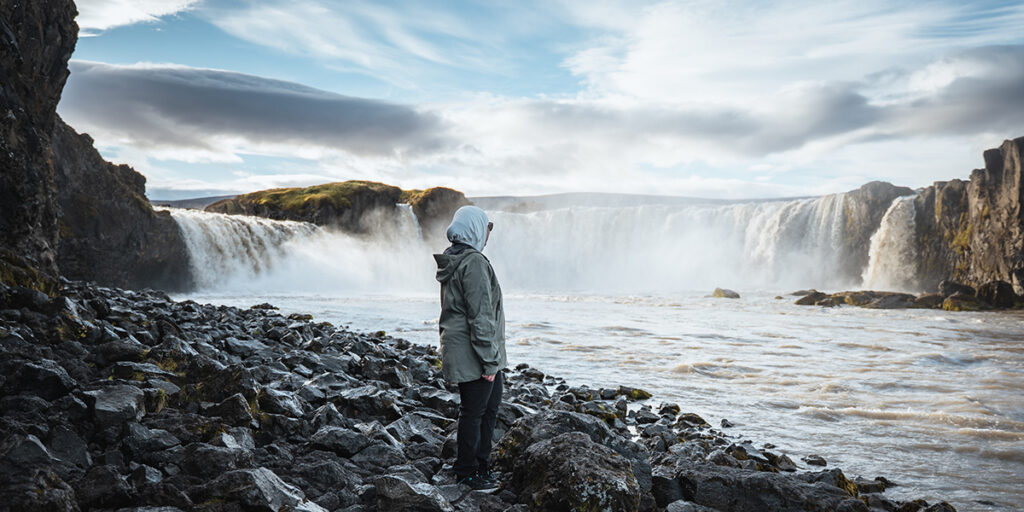
If volcanoes created Iceland, water gave it character.
Few countries have as many waterfalls as Iceland, and each one feels completely different from the last.
Some tumble gracefully over moss-covered cliffs. Others thunder into narrow canyons with astonishing force. At Seljalandsfoss, visitors can even walk behind the falling water, while Gullfoss captivates with its immense power and Skógafoss impresses with its perfectly symmetrical cascade.
What many people don’t realise is that these waterfalls exist because of the unique partnership between Iceland’s glaciers and volcanoes.
Every summer, meltwater flows from glaciers high in the interior, feeding hundreds of rivers that travel across ancient lava fields before eventually reaching the sea. Whenever these rivers encounter dramatic changes in elevation created by volcanic activity or glacial erosion, waterfalls are born.
They’re not isolated attractions.
They’re part of an ongoing geological process that’s still shaping Iceland today.
Born From Fire, Shaped by the Ocean
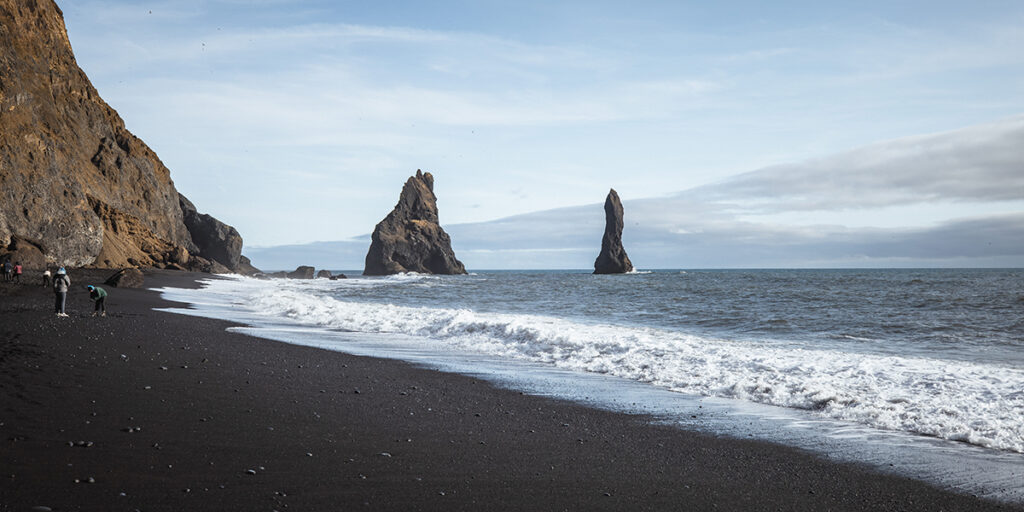
Standing on Reynisfjara for the first time is one of those moments that almost every visitor remembers.
The black sand stretches towards the Atlantic, powerful waves crash against towering basalt sea stacks, and hexagonal rock columns rise from the cliffs as though carefully carved by hand. It hardly seems real – and that’s precisely what makes Iceland so captivating.
Yet this extraordinary landscape wasn’t designed by nature overnight.
The famous black beaches owe their colour to Iceland’s volcanic origins. When lava reaches the ocean, it cools rapidly into dark basalt rock. Over thousands of years, relentless Atlantic waves gradually break that rock into tiny fragments, creating the striking volcanic sand that has become one of Iceland’s most iconic natural features.
It’s another reminder that in Iceland, even the coastline tells a geological story.
The same forces that built the island continue shaping it every single day, with wind, waves and weather constantly transforming the landscape. No matter how many photographs you’ve seen beforehand, standing on a black sand beach surrounded by basalt cliffs and the endless North Atlantic is an experience that simply can’t be replicated anywhere else.
The Earth Never Really Sleeps Here
Iceland’s dramatic scenery isn’t only the result of ancient geological events.
Much of it is still happening today.
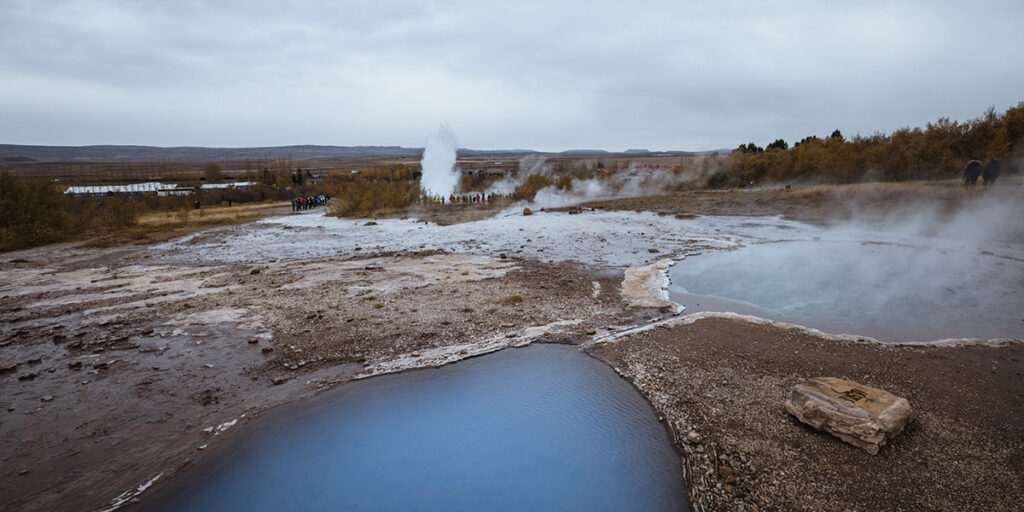
Beneath the surface, molten rock continues heating groundwater, creating one of the world’s most active geothermal regions. Steam rises from valleys, colourful mineral deposits paint the ground in shades of orange and green, and bubbling mud pools remind visitors that the Earth beneath their feet is very much alive.
Perhaps nowhere illustrates this better than the Geysir Geothermal Area, home to the famous Strokkur geyser, which erupts every few minutes, sending boiling water high into the air. It’s one of those places where people instinctively fall silent for a moment, cameras ready, waiting for nature to perform once again.
Geothermal energy has shaped far more than Iceland’s landscapes. It heats most Icelandic homes, supplies naturally warm swimming pools across the country and has become an essential part of everyday life. It’s one of the reasons Iceland is recognised as a global leader in renewable energy and sustainable living.
For visitors, however, geothermal activity means something much simpler.
It means ending an adventurous day surrounded by spectacular scenery while relaxing in naturally heated water beneath an open Icelandic sky.
A Landscape That Refuses to Stand Still
One of the things we love most about guiding in Iceland is that no two days ever look exactly alike.
The scenery changes with the seasons, of course. Winter transforms waterfalls into frozen sculptures and covers volcanic landscapes with fresh snow, while summer brings endless daylight, vibrant green moss and the famous Midnight Sun.
But Iceland also changes from one hour to the next.
Clouds drift across mountain peaks, suddenly revealing glaciers hidden only moments before. Rain showers give way to brilliant sunshine, often creating perfect rainbows above waterfalls. Soft evening light completely transforms familiar landscapes, making them feel entirely new.
As photographers, we’ve learned never to expect the same conditions twice.
That’s part of Iceland’s magic.
You can visit the very same location on ten different occasions and come away with ten completely different experiences.
It’s also one of the reasons so many travellers find themselves planning a return visit before they’ve even left.
There’s always another season.
Another light.
Another version of Iceland waiting to be discovered.
More Than Beautiful Landscapes
When people think about Iceland, they often picture waterfalls, glaciers and volcanoes.
What they don’t always expect is the incredible sense of space.
There are places where the only sounds are birds overhead, distant waves crashing against the shore or the wind moving gently across lava fields covered in centuries-old moss. Long stretches of road pass through landscapes that seem almost untouched, making you feel wonderfully small in the best possible way.
Wildlife adds another layer to the experience.
Depending on the season, you may spot puffins nesting along dramatic sea cliffs, seals resting on quiet beaches such as Ytri Tunga, Arctic foxes roaming remote regions or whales surfacing just offshore. Nature doesn’t perform on demand, of course, but that’s precisely what makes every encounter feel so special.
In Iceland, the greatest moments often aren’t the ones you planned.
They’re the unexpected ones.
Discover the Story Behind the Scenery
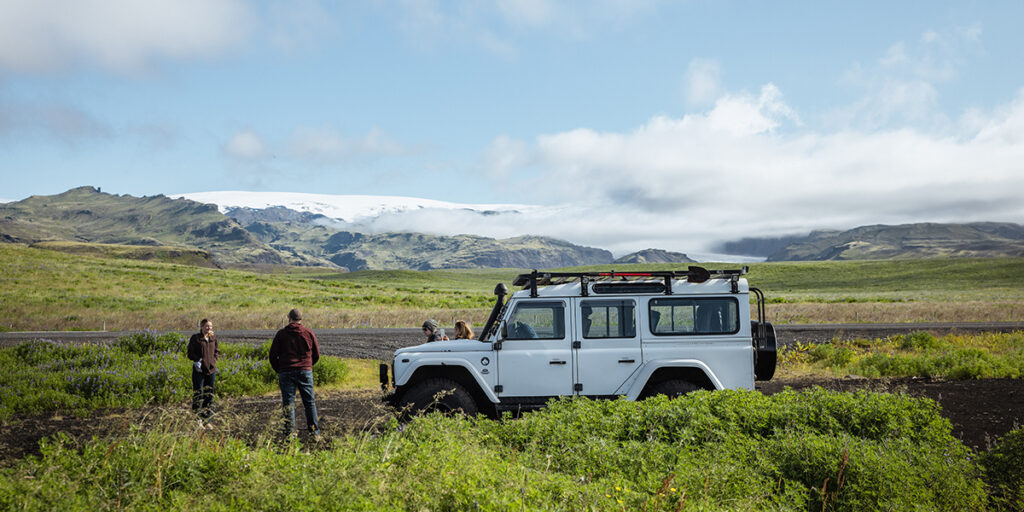
The more time you spend exploring Iceland, the more you realise that every landscape is connected.
The glacier you admire in the distance feeds the river flowing beneath your feet. That river eventually becomes a waterfall before reaching the black volcanic beach where the Atlantic patiently continues shaping the coastline. Beneath it all, geothermal heat and volcanic forces are already creating the landscapes future generations will one day discover.
Understanding those connections changes the way you experience Iceland.
Instead of simply ticking famous landmarks off your itinerary, you begin to appreciate the remarkable story that links them all together.
That’s exactly what we love sharing with our guests.
Whether you’re discovering the geological wonders of the Golden Circle, chasing waterfalls along the South Coast, exploring the incredibly diverse Snæfellsnes Peninsula or travelling through Iceland on one of our private multi-day adventures, our goal has always been the same: to help you see not only what makes Iceland extraordinary, but also why.
Every private journey with Icelandic Roamers is tailored to the people travelling with us.
Some guests prefer slow mornings, quiet viewpoints and time to soak in each location. Others want to experience as much as possible, making every hour count. There’s no single perfect way to discover Iceland – only the one that feels right for you.
And that’s the beauty of exploring with locals who know the island beyond the guidebooks.
👉 Explore our multi-day tours
👉 Contact us to create a custom Iceland itinerary
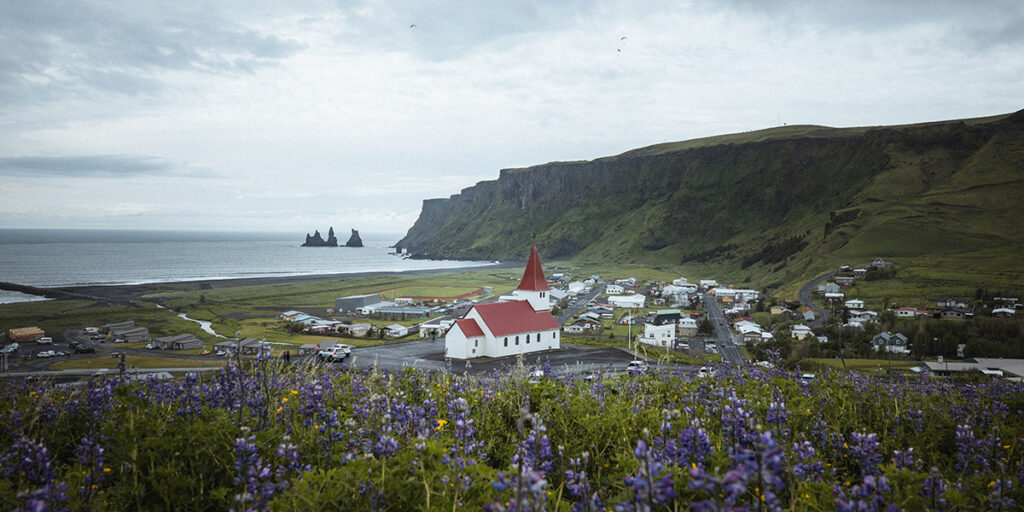
Iceland Is Still Writing Its Story
Perhaps that’s what makes Iceland unlike anywhere else on Earth.
It’s not simply a country of spectacular waterfalls, glaciers or volcanoes. It’s a place where every landscape is connected by an extraordinary geological story that continues to unfold today.
Few destinations allow you to stand between two continents in the morning, walk across a black volcanic beach in the afternoon, watch a geyser erupt before dinner and finish the day relaxing in naturally heated water beneath an endless summer sky or dancing Northern Lights.
That’s why Iceland leaves such a lasting impression.
Not because it offers one unforgettable sight, but because it offers countless moments that make you look at the natural world a little differently.
And once you’ve experienced those moments for yourself, you’ll understand why so many travellers return again and again.
After all, Iceland isn’t a place you simply visit.
It’s a place that keeps calling you back!
Seee Related Articles
- 🌞 Where to Watch the 2026 Solar Eclipse in Iceland
- 🚗 How Many Days in Iceland?
- 🏔️ Snæfellsnes Peninsula in One Day
- 🌊 Golden Circle vs South Coast
- ☀️ Why Summer Is One of the Best Times to Visit Iceland